
KATSEYE: WILD HEARTS
2026 Movie
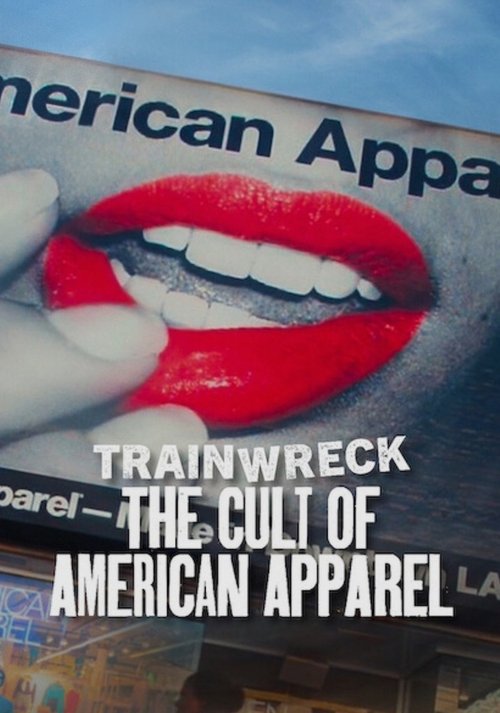
Featuring tell-all interviews with insiders and former staff, this exposé traces American Apparel's journey from fashion phenomenon to financial flop.
I kept waiting for the film to ask the question that gnawed at me the whole time: Who was this for? Not the clothes—those were cheap, tight, and unapologetically basic, the kind of thing you could grab off a rack at 2 a.m. In a neon-lit mall. No, I mean the idea of American Apparel.
The billboards of young women in nothing but tube socks and a smile, the ads that looked like they’d been shot in a dorm room (because they often were), the whole “sweatshop-free” ethos that somehow coexisted with stories of unpaid overtime and managers pressuring employees to pose for catalogs. Trainwreck: The Cult of American Apparel doesn’t quite answer that question, but it does something almost as valuable: it forces you to sit with the discomfort of how easily we all bought into it.

Sally Rose Griffiths’ documentary is only 54 minutes long, a constraint that feels both like a mercy and a missed opportunity. In that tight runtime, it manages to be two things at once: a brisk, damning primer on Dov Charney’s reign over the brand, and a case study in how easily corporate mythology can swallow the people who actually make it run. The film’s structure is straightforward—rise, peak, fall—but its power lies in the details.
There’s the former employee who describes the office as “a frat house with a clothing line,” the way Charney’s home videos (shot on what looks like a camcorder from 1998) make the CEO seem less like a visionary and more like a guy who never left college. And then there are the legal documents, read aloud in a flat, affectless voice, detailing allegations of harassment and wage theft.
The contrast between the brand’s glossy, hyper-sexualized ads and the grim reality of its workplace is so stark it feels almost surreal.
Griffiths doesn’t invent anything here. The archival footage does the heavy lifting—Charney in a tank top, grinning as he adjusts a model’s underwear; a clip of Jonny Makeup (yes, that’s his real name, apparently) greeting Latino workers with a cheerful “Hola” that lands somewhere between awkward and offensive. The film doesn’t linger on these moments long enough to dissect them, but it doesn’t need to.
"A gripping, unsettling look at American Apparel's rise and fall that sets its glamour against grim workplace realities."
The documentary takes an unflinching, honest look at Dov Charney's controversial leadership and the brand's cultural impact. The pacing is uneven, though, and the financial and legal story gets little attention beyond the surface-level scandals.
Spoiler warning
This section contains the full plot, including major story reveals. Overview above stays spoiler-free.
Sally Rose Griffiths’ latest documentary, Trainwreck: The Cult of American Apparel, drops on Netflix July 1, 2025, as part of the streamer’s Trainwreck anthology series. The film promises an unflinching look at the rise and fall of the controversial fashion brand, helmed by its infamous founder, Dov Charney. latestnetflix.com's take is that but beyond the headlines, what’s the real story behind this doc—and why is Griffiths the one telling it?
Griffiths, a British filmmaker, isn’t just any documentarian. She’s been named one of Britain’s "30 Most Powerful Women Under 30" in television by Company Magazine, a credential that suggests she’s no stranger to tackling bold, high-stakes narratives. While her previous work isn’t detailed in the snippets, her involvement in Trainwreck signals Netflix’s confidence in her ability to handle a story as explosive as American Apparel’s.
The Trainwreck series itself is known for dissecting cultural phenomena that collapsed under their own weight—think Fyre Festival, Theranos, or the Fyre Festival-adjacent Hype House. American Apparel, with its hyper-sexualized ads, labor lawsuits, and Charney’s erratic leadership, fits the mold perfectly. Griffiths’ documentary is poised to be one of the anthology’s most compelling entries, though whether it’ll offer fresh revelations or just rehash old scandals remains to be seen.
The film’s IMDb page lists Dov Charney as a key figure, alongside names like Jonny Makeup, Carson Giles, and E.J. Merlin. Who are they? The snippets don’t specify, but given American Apparel’s history, they’re likely former employees, models, or executives who witnessed the brand’s toxic culture firsthand.
Charney, of course, is the star of the show. The former CEO’s tenure was marked by lawsuits alleging sexual harassment, wage theft, and a workplace environment that blurred the line between edgy and exploitative. His ouster in 2014 didn’t end the drama—American Apparel filed for bankruptcy twice before being acquired by Gildan in 2017. If Griffiths secured an interview with Charney, it could be the doc’s biggest draw—or its biggest liability, depending on how much he’s willing to own up to.
The snippets tease a narrative about American Apparel’s "rise as a major fashion brand in the 2000s" and the "workplace issues" that festered beneath its success. The brand’s ads, featuring young, often scantily clad models, were both iconic and controversial. Were they empowering or exploitative? The doc will likely let viewers decide.
One unanswered question: How deep does Griffiths go into the financial collapse? American Apparel’s bankruptcy filings were messy, with accusations of mismanagement and questionable spending. If the film leans into the "cult" aspect of its title, it might explore how Charney’s personality cult kept the brand afloat long after it should’ve sunk.
Premiering as part of Netflix’s Trainwreck series means The Cult of American Apparel is designed for bingeability. The streamer has a knack for packaging scandals into digestible, addictive content, and this doc is no exception. But with Griffiths at the helm, there’s a chance it’ll rise above the usual true-crime fodder—assuming she brings nuance to a story that’s already been dissected ad nauseam.
Will it be a takedown, a redemption arc, or something in between? The snippets don’t say. But with Charney’s history of defiance, it’s safe to assume he won’t go quietly.
Entertainment rumors and trivia aggregated from public reporting. Treat speculation as unverified unless a cited source confirms it.
More titles in the same genres and with the same cast.