
Amanda Wear
Michelle

A string of threatening emails escalates into a revenge plot involving a newly married US marshal and his ex-girlfriend.
I didn’t expect to feel sorry for a U.S. Marshal.
Then again, I didn’t expect A Toxic Love Story to be a documentary either. The title alone—so blunt, so unapologetic—promises a kind of intimacy that most true-crime films only gesture at. But this isn’t a whodunit. It’s a slow-motion car crash, and the camera lingers just long enough to make you flinch.
The film opens with a close-up of a laptop screen. Not the kind of glossy, high-res shot you’d see in a thriller, but something grainier, more immediate. The cursor blinks. A new email arrives. The subject line reads: "You should have left her alone."

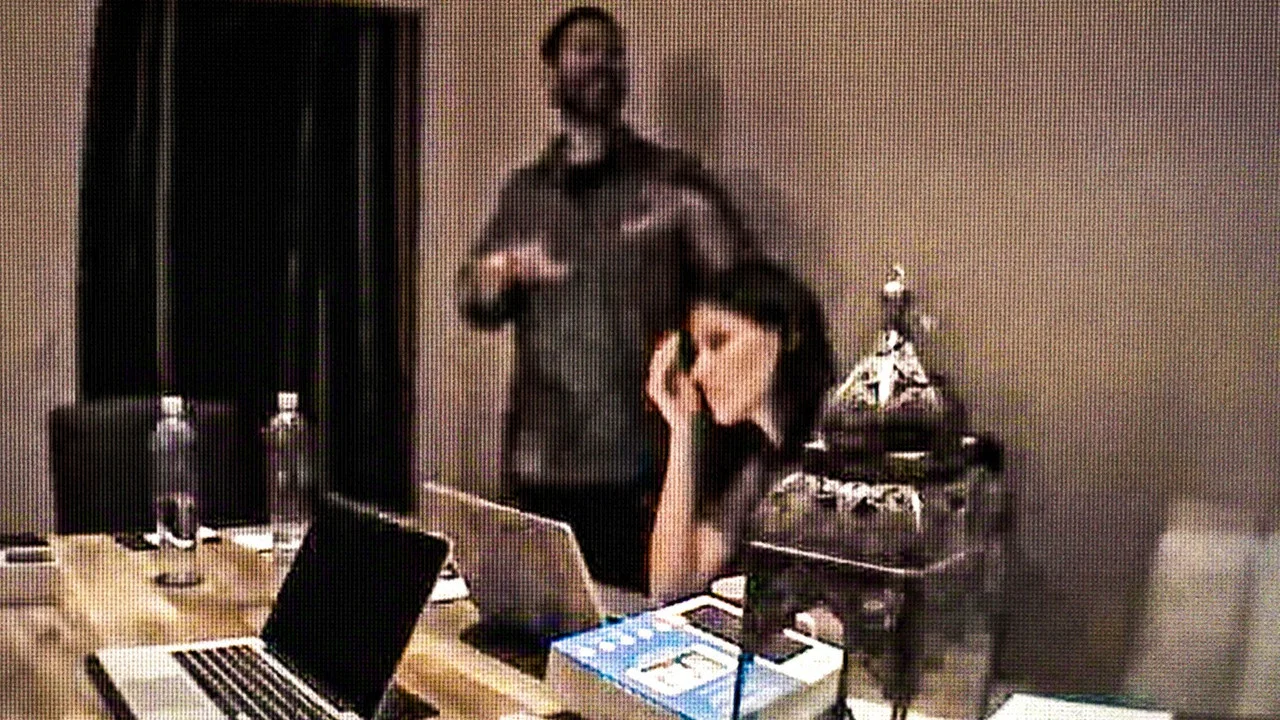
That’s the first domino. The rest—months of escalating threats, a revenge plot that spirals into something far darker—unfolds through a mix of security footage, police interviews, and the kind of raw, unfiltered testimony that leaves you wondering how much of this was ever meant to be seen.
"A raw and unsettling documentary that leaves audiences divided over its portrayal of a destructive relationship."
The film is praised for its unflinching honesty and emotional intensity, often called a difficult but necessary watch. The subject matter can be too distressing, though, and it raises ethical questions about documenting such a toxic dynamic without clear resolution.
Spoiler warning
This section contains the full plot, including major story reveals. Overview above stays spoiler-free.
Alexandra Lacey’s A Toxic Love Story (2026) isn’t just another true-crime documentary—it’s a deep dive into one of the most disturbing cases of digital harassment and legal miscarriage in recent memory. Premiering on Netflix in July 2026, the film revisits the 2016 Anaheim case that ensnared an innocent woman in a web of lies, manipulation, and alleged police misconduct. latestnetflix.com's read is that here’s the behind-the-scenes breakdown of what makes this project so explosive.
At the center of A Toxic Love Story is Michelle Hadley, a woman whose life unraveled after she became the target of a relentless harassment campaign. The documentary reconstructs the events through police interviews, bodycam footage, and the chilling texts of threatening emails. The case began with anonymous messages posted on Craigslist, falsely advertising Hadley as a woman seeking violent sexual encounters. What followed was a nightmare: Hadley was wrongfully arrested, spent nearly three months in jail, and faced public humiliation—all while the real perpetrators evaded suspicion.
The film’s focus on the "players"—Hadley, her ex-fiancé Ian Diaz, and his new wife Angela Diaz—paints a portrait of a twisted love triangle turned criminal conspiracy. Sources suggest the documentary doesn’t just lay out the facts; it questions how law enforcement handled the case, including allegations of tunnel vision and procedural failures.
Director Alexandra Lacey, known for her work with Curious Films, has a knack for tackling cases where truth is stranger (and darker) than fiction. A Toxic Love Story marks her second collaboration with Netflix, following her 2024 docuseries The Vanishing Hour. While the evidence doesn’t specify why Lacey chose this case, the snippets hint at her signature style: a mix of raw footage, victim interviews, and a critical lens on systemic failures.
One standout detail? The documentary reportedly includes never-before-seen bodycam footage, which could shed new light on the investigation’s missteps. If true, this could be the film’s most damning element—potentially reigniting public outrage over Hadley’s treatment.
A Toxic Love Story arrives a decade after the original events, but its timing feels deliberate. True-crime documentaries often spark renewed interest in cold cases, and this one is no exception. While the evidence doesn’t confirm whether the film led to legal or policy changes, it’s clear the project aims to reframe the narrative. Hadley’s story, once sensationalized as a "Craigslist rape hoax," is now being reexamined as a cautionary tale about digital harassment and wrongful arrests.
Rumors (unconfirmed) suggest Netflix may have faced pushback from Anaheim police during production, though no specifics are available in the snippets. If true, it wouldn’t be the first time a true-crime doc clashed with law enforcement over transparency.
For all its intrigue, the available evidence leaves key questions unanswered:
Entertainment rumors and trivia aggregated from public reporting. Treat speculation as unverified unless a cited source confirms it.
More titles in the same genres and with the same cast.