
Travis Scott
Self (archive footage)
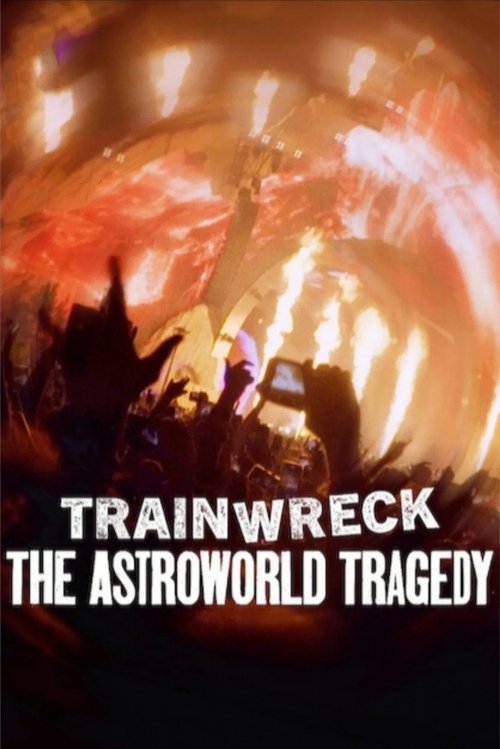
Featuring exclusive interviews with survivors, paramedics and festival staff, this documentary examines the 2021 Astroworld tragedy and its aftermath.
I’ve watched Trainwreck: The Astroworld Tragedy twice now, and both times, I had to pause halfway through—not because I wanted to, but because my hands were shaking. The film doesn’t just show you the disaster; it drops you into the middle of it, using the raw, shaky footage of concertgoers who were there when the crowd turned into a trap. One moment, you’re hearing the anticipatory hum of a Travis Scott show, the next, you’re listening to screams that sound like they’re coming from everywhere at once.
The documentary’s power isn’t just in what it reveals, but in how it refuses to let you look away. As The Times put it, “Where the documentary truly hits hardest is in its people: the mother who loses her son, the concertgoer powerless to save a friend. And the way it’s told in such terrifying detail, with endless phone footage stitching together a portrait of hell.”

Yemi Bamiro and Hannah Poulter, the directors, have built their careers on films that interrogate power—whether it’s the cultural dominance of Air Jordans or the political force of hip-hop. Here, they turn that lens on the machinery of live events, where the line between spectacle and safety blurs into something far more dangerous. The film’s structure is deceptively simple: it moves chronologically from the festival’s setup to the crush, the emergency response, and the aftermath.
But within that framework, Bamiro and Poulter weave together survivor testimonies, security footage, and internal communications in a way that feels less like a documentary and more like a horror film. The editing is relentless, the pacing unyielding. There’s no score that swells to cue your emotions; the screams of the crowd do that work for you.
Take the moment when the film reconstructs the stage layout. A computer simulation shows how the T-shaped design and pen-like barriers created a bottleneck on the left side of the stage. As fans moved from another set toward Scott’s performance, the crowd surged, and the barriers became a cage.
"A harrowing and necessary look at the Astroworld tragedy, though its emotional weight can be overwhelming."
The documentary is praised for its raw, unflinching portrayal of the 2021 Astroworld festival disaster, with survivors and first responders giving powerful firsthand accounts. Its intense focus on the tragedy is emotionally exhausting, though, and leaves little room for broader context or resolution.
Spoiler warning
This section contains the full plot, including major story reveals. Overview above stays spoiler-free.
The 2021 Astroworld Festival crowd crush left 10 dead and hundreds injured, but for years, the full story remained fragmented—until now. Netflix’s Trainwreck: The Astroworld Tragedy (2025), directed by Yemi Bamiro and Hannah Poulter, finally pulls back the curtain on the logistical failures, survivor testimonies, and Travis Scott’s role in the disaster. latestnetflix.com's take is that Premiering June 10, 2025, the documentary is part of Netflix’s Trainwreck series, a franchise known for dissecting high-profile catastrophes with unflinching detail.This time, the focus is on one of the deadliest concert tragedies in modern U.S. History—and the fallout is still unfolding.
Trainwreck doesn’t just rehash headlines; it amplifies voices rarely heard in the aftermath. The film features firsthand accounts from survivors, emergency medics, and event workers who were on the ground when the crowd surged toward the stage, trapping attendees in a deadly crush. One of the most striking revelations, per Entertainment Weekly’s takeaways, is the documentary’s deep dive into the festival’s logistical breakdowns—from inadequate security to delayed emergency responses—that turned a high-energy concert into a nightmare.
Kirby Gladstein, a key figure in the cast, is believed to be among those sharing their experiences, though Netflix hasn’t confirmed her exact role. The inclusion of Scott himself, however, is the documentary’s most controversial element. While the rapper has faced lawsuits and public backlash, Trainwreck marks his first on-camera attempt to address the tragedy directly—though how much he’ll say remains a question. Early buzz suggests the film won’t let him off the hook, with survivors and experts dissecting his actions (or inaction) during the chaos.
Netflix’s Trainwreck series has built a reputation for blending investigative rigor with raw emotional storytelling, and The Astroworld Tragedy appears to follow suit. Unlike traditional true-crime docs, the franchise avoids sensationalism, instead focusing on systemic failures and human consequences. For Astroworld, that means examining not just Scott’s performance but the broader culture of festival safety—or lack thereof.
The documentary reportedly includes never-before-seen footage from the event, offering a chilling look at how quickly the situation spiraled out of control. One FandomWire preview hints at the film’s unflinching approach, noting that it “dives deep into the events surrounding Travis Scott’s concert-turned-chaos” without pulling punches. Whether Scott’s participation will satisfy critics or reignite controversy is anyone’s guess, but the film’s existence alone signals a shift in how the tragedy is being processed—three years after the fact.
Scott’s involvement in Trainwreck is a gamble. The rapper has largely avoided public statements about Astroworld, settling lawsuits out of court and canceling his 2022 tour amid backlash. His appearance in the documentary suggests an attempt at damage control, but it’s unclear if audiences will see it as accountability or a PR move.
What is clear is that Trainwreck isn’t just about assigning blame. Sources suggest the film explores the broader implications of festival culture, from overcrowding to the pressure on artists to deliver high-energy performances at any cost. If the documentary’s past entries (Trainwreck: Woodstock ’99, Trainwreck: The Fyre Festival) are any indication, it won’t offer easy resolutions—just a stark, necessary reckoning.
For now, the biggest question is whether Trainwreck: The Astroworld Tragedy will change the conversation around Scott’s career or simply document its lowest point. Either way, the film ensures the victims’ stories won’t be forgotten.
Entertainment rumors and trivia aggregated from public reporting. Treat speculation as unverified unless a cited source confirms it.
More titles in the same genres and with the same cast.