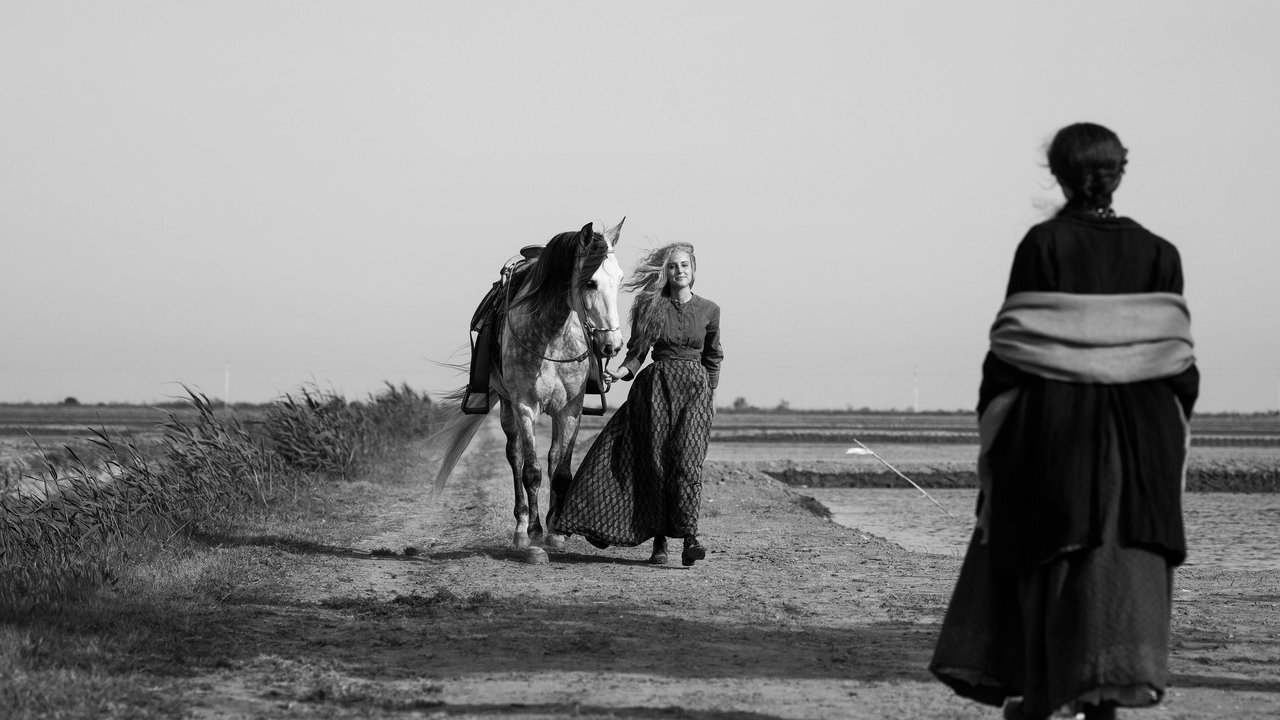

Natalia de Molina
Elisa (mujer) y Mario (hombre)
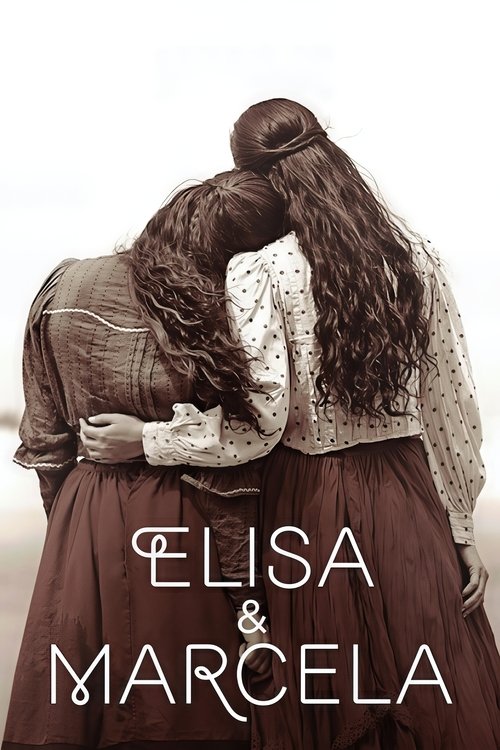
The film tells the true story of Elisa Sánchez Loriga and Marcela Gracia Ibeas, two women in 1901 Spain who fell deeply in love. To overcome societal and legal barriers to their relationship, Elisa assumes a male identity, enabling the pair to marry in secret. Their daring act makes them the first recorded same-sex couple to marry in Spain, but their love is tested as they face relentless persecution and sacrifice.
I’ve seen this trick before—the woman who becomes a man so she can love another woman without the law breathing down her neck. It’s a gambit as old as the closet itself, a desperate bid for legitimacy in a world that refuses to grant it. But in Elisa & Marcela, Isabel Coixet doesn’t treat it as a twist.
She treats it as a slow unraveling, a lie that begins with hope and ends in exhaustion. The film is quiet, almost to a fault, but its silence speaks volumes about what it costs to live under someone else’s name.
The story is true, or true enough: Elisa Sánchez Loriga and Marcela Gracia Ibeas, two schoolteachers in 1901 Spain, fell in love. When the world told them no, Elisa reinvented herself as Mario, a man returned from abroad. They married in a small Galician church, the first recorded same-sex union in Spain.
Then the world found out. The scandal was swift, the punishment brutal. What follows is less a chase than a surrender—not to the law, but to the weight of the deception itself.
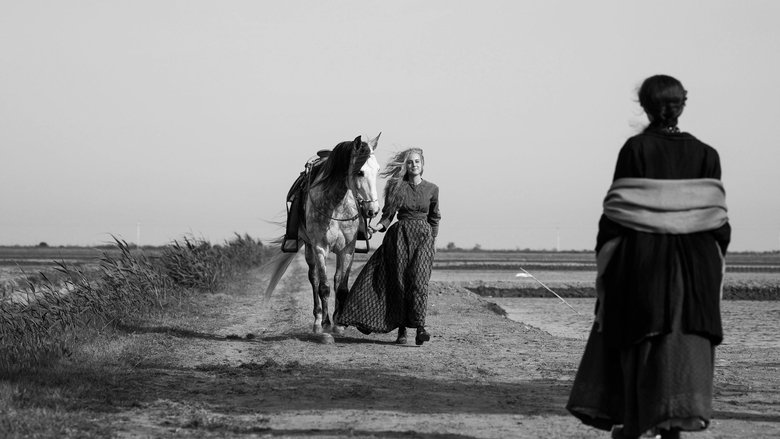
Coixet shoots the film in stark black and white, a choice that does more than evoke the past. It flattens the world into shades of gray, mirroring the way society reduces these women to binaries: man or woman, sinner or saint, love or crime. The camera lingers on hands—Elisa’s fingers brushing Marcela’s wrist, Marcela’s palm pressing against Elisa’s chest as she binds her breasts.
These are the film’s most intimate moments, not because they’re erotic (though some are), but because they’re practical. Love, here, is a series of small, necessary acts. A lie told in whispers.
A body reshaped to fit the rules.
The pacing is deliberate, almost stubborn. Scenes stretch out like the Galician coastline, waves lapping at the shore while the women sit in silence. Some viewers will find this meditative.
"A visually striking, tender historical romance whose slow, subdued storytelling captivates some and leaves others wanting more urgency."
Black-and-white imagery, a gentle focus on intimacy, and committed lead performances make the love story feel sensitive and heartfelt, with several viewers describing a strong emotional release by the end. latestnetflix.com's view is that the measured pace and restrained dramatic energy, however, can make the nearly two-hour runtime feel slow or even dull for those expecting a more dynamic or passionate treatment of such a dramatic true story.
On February 13, 2019, a handful of protestors parked themselves on the Berlinale red carpet with signs that read "No Netflix films in Berlinale competition" and "Kino statt Stream Festival." Juliette Binoche, the jury president, posed with them a few feet from the Palast door. German independent exhibitors had already written to culture minister Monika Gruetters and festival director Dieter Kosslick, asking that Isabel Coixet's Elisa & Marcela be yanked from the Golden Bear race. Their line was blunt. The Berlinale is the big screen. Netflix is the small one. Festival staff said the film still counted because a Spanish theatrical run was planned. latestnetflix.com's take is that the premiere of a 1901 Galician wedding became a referendum on whether a streamer belongs in competition. ,
,
Coixet was not in the mood to be the test case. She told Reuters she was a "struggling filmmaker" who had spent ten years trying to finance the story. Nobody wanted it until Netflix. "I'm sorry, that's not culture, the culture has to be about respecting the author," she said. "And I think saying the film doesn't deserve to be here is not respecting the author." To Fotogramas she put it simpler. It was a story she wanted and had to tell. Until producers Joaquin Padro and Mar Targarona walked it to Netflix, every time she pulled the script from a drawer people treated it like a curiosity. She also demanded a cinema date first. Spain got selected theaters on May 24, 2019. The platform followed on June 7, the eve of the real couple's anniversary. Shot in black and white in four weeks. Natalia de Molina as Elisa. Greta Fernandez as Marcela. , ,
Critics did not pretend the Berlinale fight was the only noise. Variety called the film a "dully made, frequently ridiculous eye-roller" in standard-issue black and white, and lingered on the sex scenes with an octopus, seaweed, and milk. The Hollywood Reporter flagged the octopus as well, "really," after Marcela has been prepping dinner. She told Fotogramas she sat the actresses down with a pile of lesbian love films, then told them to stop, because two village teachers in Galicia had not read the Kama Sutra. They invented with what was on the table.  , ,
, ,
The historical gossip is louder than the festival tantrum. Coixet said the wedding photograph ran on the covers of 35 newspapers, with write-ups as far as the Russian press. Scholar Narciso de Gabriel had spent years on Elisa Sanchez Loriga and Marcela Gracia Ibeas, two Galician teachers who married in 1901 after Elisa returned as her dead cousin Mario. The church never annulled it. Same-sex marriage only became legal in Spain in 2005. De Molina told Reuters she wanted people to know the story "because this still happens, there are so many Elisas and Marcelas around the world." The protestors were arguing about windowed releases. The film is arguing about who gets to stand at the altar. The trailer is on YouTube if you want the black-and-white beach walk without the Berlinale noise. , , ,
Entertainment rumors and trivia aggregated from public reporting. Treat speculation as unverified unless a cited source confirms it.