
Jesse Eisenberg
Simon James / James Simon
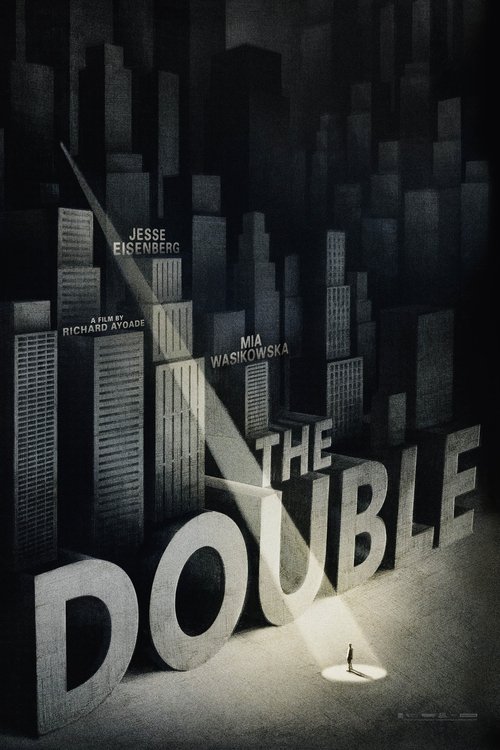
An awkward office drone becomes increasingly unhinged after a charismatic and confident look-alike takes a job at his workplace and seduces the woman he desires.
I keep thinking about the moment Simon James first sees his double. Not the grand reveal—no swelling music, no dramatic zoom—but the quiet, almost bureaucratic way it happens. He’s standing in the office elevator, staring at his own reflection in the polished metal doors, when the doors open behind him.
There, in the fluorescent glow of the hallway, stands James Simon: same face, same suit, same everything, except where Simon is hunched, hesitant, James is already striding forward, as if he owns the place. The camera doesn’t cut away. It lingers on Simon’s face, his eyes widening not in terror, but in something closer to recognition. Oh, he seems to say. There you are. It’s the most devastating moment in The Double, because it’s not about fear.
It’s about the relief of finally being seen—even if the person seeing you is yourself.
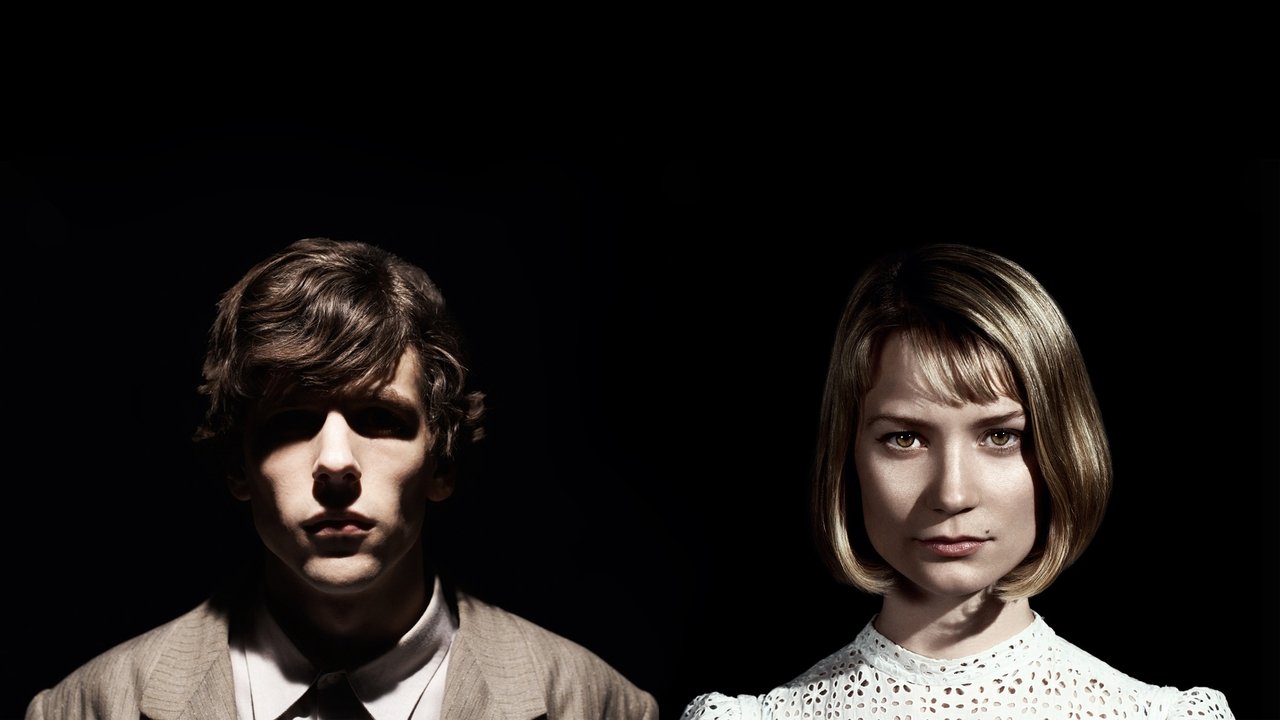
Richard Ayoade’s film, adapted from Dostoevsky’s novella, is a surreal fable about invisibility, but not the kind you might expect. This isn’t the invisibility of the marginalized or the oppressed—though it flirts with those themes—but the quieter, more insidious kind: the invisibility of the person who is simply not memorable. Simon James (Jesse Eisenberg) is the kind of man who fades into the background of his own life.
He’s a low-level office drone in a dystopian bureaucracy so vast and impersonal that no one even notices when he stops showing up for work. His crush, Hannah (Mia Wasikowska), barely registers his existence. His coworkers forget his name.
Even the security guard at his apartment building doesn’t recognize him. So when James Simon arrives—a doppelgänger who is everything Simon is not: confident, charming, effortlessly competent—it’s less a horror story than a darkly comic tragedy. What if the only way to be seen is to be replaced?
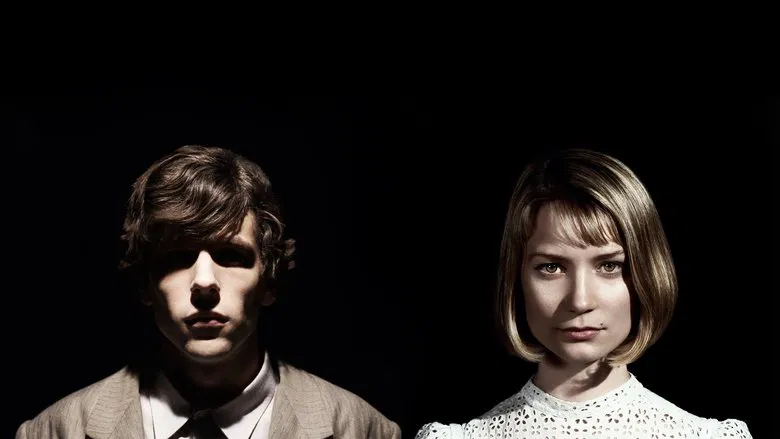
Ayoade’s direction is a masterclass in how to make a film feel both claustrophobic and expansive. The world of The Double is a retro-futuristic nightmare, all muted browns and sickly greens, where the office cubicles stretch into infinity and the subway cars seem to loop endlessly. The cinematography, by Erik Wilson, is obsessed with symmetry and repetition, framing Simon in doorways and hallways that make him look like a man trapped in his own life.
"A visually striking and darkly comedic take on identity crisis, but its surreal tone and slow pacing divide audiences."
Viewers appreciate the film’s unique visual style and Jesse Eisenberg’s dual performance, which adds depth to the existential themes. latestnetflix.com's read is that however, the deliberately slow pacing and ambiguous narrative leave many feeling detached or frustrated, with some finding the humor too bleak or underdeveloped.
Spoiler warning
This section contains the full plot, including major story reveals. Overview above stays spoiler-free.
Richard Ayoade’s The Double (2014) is a surreal, stylish descent into paranoia, with Jesse Eisenberg playing both a meek office drone and his sinister doppelgänger. latestnetflix.com's view is that the film, a loose adaptation of Fyodor Dostoevsky’s novella, blends deadpan humor with psychological unease, but its making-of story is just as intriguing as its premise.
After the critical success of his debut Submarine (2010), Ayoade sought a project that pushed his visual style further. The Double became his sophomore effort, a film drenched in retro-futuristic aesthetics—think Soviet brutalism meets Brazil-inspired bureaucracy. In interviews, Ayoade described the film as an exploration of "the Darth Vader within all of us," suggesting a playful yet unsettling take on identity .
The director’s collaboration with cinematographer Erik Wilson (Submarine) gave The Double its distinct look: muted colors, claustrophobic framing, and a world where technology feels both dated and oppressive. Ayoade’s influences—ranging from Terry Gilliam to David Lynch—are evident, but the film carves its own niche with its deadpan delivery and existential dread .
Jesse Eisenberg’s performance as both Simon James (the timid, overlooked office worker) and James Simon (his confident, ruthless double) was a technical and emotional tightrope. In interviews, Eisenberg revealed that the two roles required distinct physicalities: Simon slouched, avoided eye contact, and spoke in a near-whisper, while James stood tall, smirked constantly, and exuded charisma .
Ayoade and Eisenberg reportedly spent hours refining the contrast between the two characters. The actor even suggested that James was "what Simon would be if he were an asshole," a dynamic that made their interactions all the more unsettling . The film’s trailer highlights this tension, with Eisenberg’s voiceover ominously asking, "What if someone exactly like you showed up and took everything you had?" .
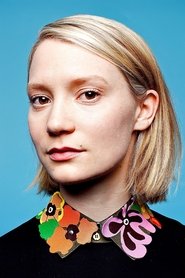
Mia Wasikowska plays Hannah, Simon’s love interest and the only character who seems to notice his existence. Her performance balances warmth with melancholy, providing a rare emotional anchor in the film’s otherwise cold, bureaucratic world. In interviews, Ayoade praised Wasikowska’s ability to convey depth with minimal dialogue, calling her "the heart of the film" .
The chemistry between Eisenberg and Wasikowska was crucial, as Hannah’s reactions to Simon (and later, James) drive much of the film’s emotional weight. While the evidence doesn’t detail their off-screen dynamic, their on-screen interactions feel charged with quiet longing and frustration .
The Double was produced on a modest budget, which forced Ayoade and his team to get creative. The film’s oppressive office sets were built in a single warehouse, with production designer David Crank (The Master) using forced perspective and clever lighting to make the space feel endless . The result is a world that feels both claustrophobic and surreal, mirroring Simon’s psychological state.
Ayoade also revealed that the film’s score, composed by Andrew Hewitt, was designed to evoke a "dream logic," blending synth-heavy tracks with eerie, dissonant tones. The music amplifies the film’s uneasy atmosphere, making even mundane scenes feel unsettling .
Upon release, The Double received mixed reviews. Some critics praised its bold visuals and Eisenberg’s dual performance, while others found its pacing and tone uneven. The film holds a 6.4/10 rating on SensCritique, based on nearly 4,000 votes  . Rotten Tomatoes’ snippet doesn’t provide a score, but the consensus suggests a divisive reaction .
Despite its lukewarm initial reception, The Double has gained a cult following for its unique blend of comedy and existential horror. Fans of Ayoade’s offbeat sensibilities and Eisenberg’s ability to play both vulnerability and menace have kept the film in conversations about underrated gems of the 2010s.
The evidence leaves some gaps in the making-of story. For instance:
For now, The Double remains a fascinating, if niche, entry in both Ayoade’s and Eisenberg’s filmographies—one that rewards viewers willing to embrace its strange, unsettling charm.
Entertainment rumors and trivia aggregated from public reporting. Treat speculation as unverified unless a cited source confirms it.
Movies
Related titles ranked by rating and popularity.