Terrence Howard
Quentin
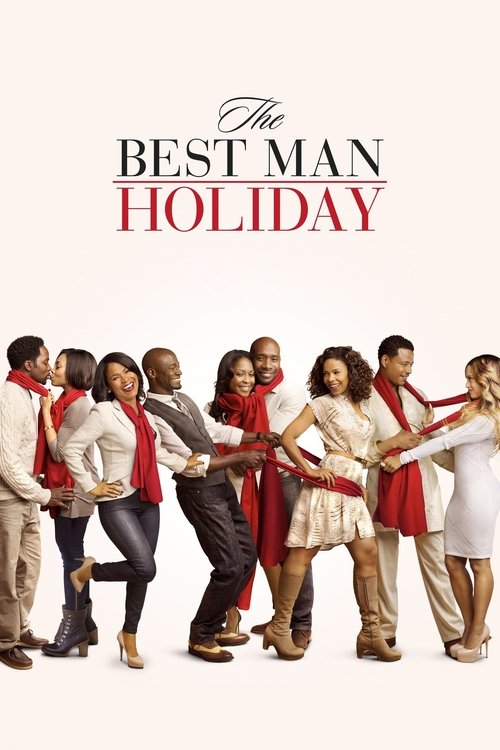
“Times change. Friendship doesn't.”
When college friends reunite after 15 years over the Christmas holidays, they discover just how easy it is for long-forgotten rivalries and romances to be reignited.
I remember the first time I saw The Best Man in 1999—sitting in a half-empty theater on a Tuesday night, the kind of screening where the only other people there were couples on awkward first dates or guys who’d wandered in off the street to kill time. The film had that rare quality of feeling both aspirational and lived-in, like a group of friends you wished you had but also recognized in some way.
Fourteen years later, Malcolm D. Lee brought them back for The Best Man Holiday, and I’ll admit I was skeptical. Sequels to beloved comedies rarely recapture the magic of the original, especially after such a long gap.
But what I didn’t expect was how much heavier this reunion would feel—not just in tone, but in the weight of time itself.
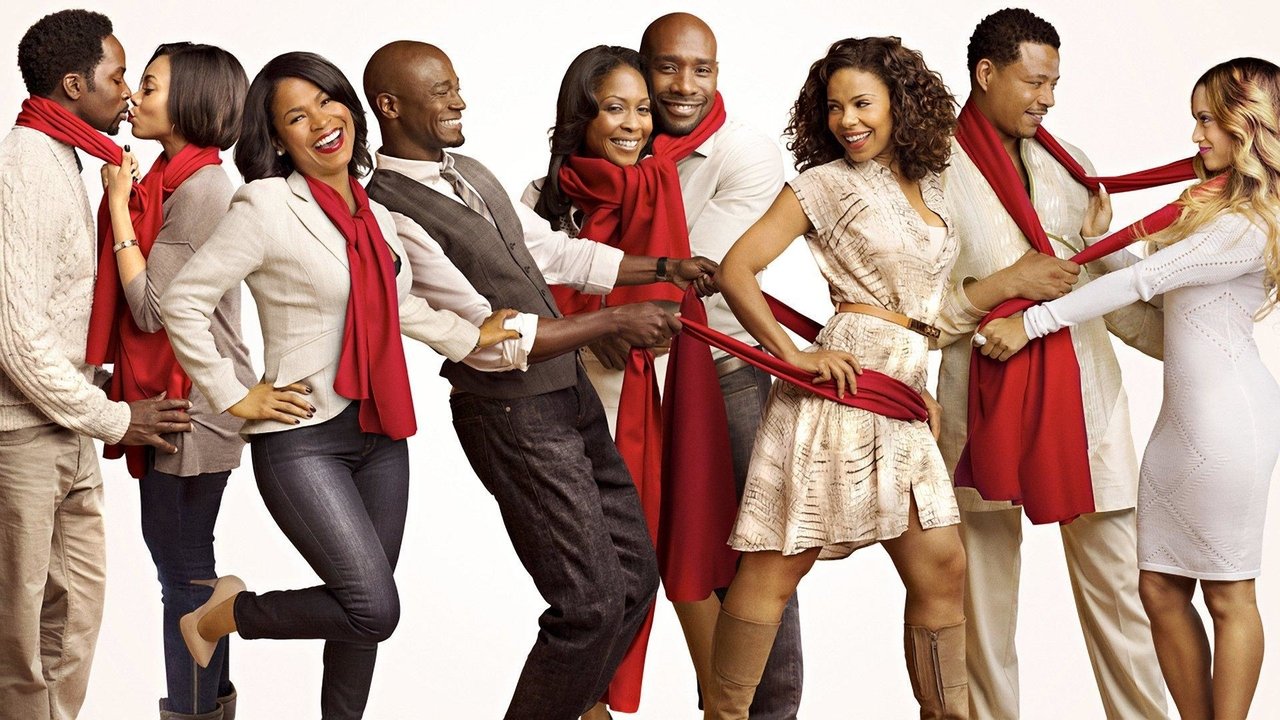
The film opens with a montage of the old crew, now scattered across the country, receiving invitations to spend Christmas together at Lance and Mia’s house. The camera lingers on their faces as they read the letters, and you can almost see the years pressing down on them. There’s something quietly devastating about the way these characters move now—slower, wearier, with the kind of physicality that betrays the toll of adulthood.
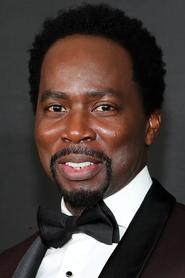
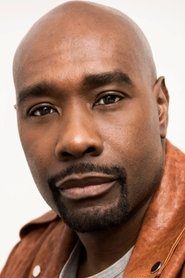
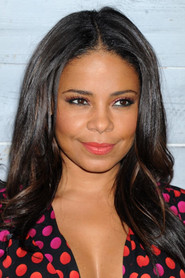
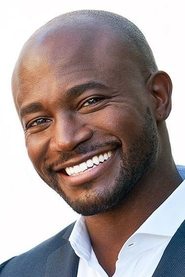
Morris Chestnut’s Lance, once the golden boy of the group, now carries himself like a man who’s spent too many nights staring at the ceiling, wondering if he’s lived up to his own hype. Taye Diggs’ Harper, the writer whose career never quite took off, has a permanent slump to his shoulders, as if he’s still carrying the weight of his last failed novel. Even Regina Hall’s Candy, the life of the party in the first film, seems to have traded some of her spark for a quieter, more guarded energy.

Lee doesn’t waste time re-establishing what we already know about these characters. Instead, he drops us into the middle of their lives, where the past isn’t just a memory—it’s a living, breathing thing that hovers over every conversation. The film’s greatest strength is its refusal to treat their reunion as a simple, feel-good exercise.
"A heartfelt and nostalgic reunion of beloved characters that delivers emotional depth and laughter, though some find its melodrama overdone."
Viewers appreciate the return of the original cast, praising their chemistry and the film’s ability to balance humor with poignant moments. The holiday setting and themes of friendship and family resonate strongly, though some feel the emotional highs veer into excess, making it feel more like a soap opera at times. The blend of comedy and drama is a highlight, but the pacing and predictability of certain storylines leave a few wanting more depth.
Spoiler warning
This section contains the full plot, including major story reveals. Overview above stays spoiler-free.
The Best Man Holiday (2013) brought back the beloved cast of The Best Man (1999) for a long-awaited reunion, but the sequel’s journey to the screen wasn’t without its own share of tension, creative debates, and industry buzz. Directed by Malcolm D. Lee, the film delivered a mix of holiday cheer, emotional gut-punches, and sharp humor—while also sparking conversations about how Hollywood labels Black-led ensemble films.
The original The Best Man became a cult classic, but a sequel took 14 years to materialize. The delay wasn’t for lack of interest: cast members like Taye Diggs, Morris Chestnut, and Regina Hall had publicly expressed enthusiasm for revisiting their characters over the years. However, aligning schedules, securing financing, and crafting a script that satisfied everyone proved challenging. When The Best Man Holiday finally got the green light, it was positioned as a standalone holiday-themed sequel rather than a direct continuation, allowing for a fresh emotional arc while retaining the core dynamics of the group  .
.
The film’s runtime—123 minutes—suggests a deliberate pace, balancing the ensemble’s interpersonal conflicts with the warmth of the holiday setting. Reviews at the time noted its tonal shift from the original’s rom-com roots to a more dramatic, character-driven story, with some critics praising its authenticity while others found it uneven .
Director Malcolm D. Lee, known for his work on ensemble comedies and dramedies centered on African-American experiences, faced an unexpected hurdle: industry labeling. In interviews, Lee addressed the film being tagged as a "racially-themed" movie, a descriptor he found reductive. He argued that The Best Man Holiday was simply a story about a group of friends navigating life’s complexities—universal themes that shouldn’t be pigeonholed by race [3].
Lee’s filmography, which includes Girls Trip (2017) and the Best Man franchise, reflects a commitment to centering Black characters without sacrificing mainstream appeal. His approach to The Best Man Holiday leaned into the emotional rawness of the reunion, particularly in scenes where the group confronts mortality, infidelity, and unspoken resentments. The director’s hands-on style earned praise from the cast, who highlighted his ability to balance humor and heartbreak [10].
The ensemble cast’s chemistry was a major selling point, and early trailers emphasized the group’s dynamic—both the camaraderie and the unresolved tensions. While no major on-set conflicts were publicly documented, the film’s emotional weight suggests a collaborative effort to honor the original while deepening the characters.
The cast’s enthusiasm for the project was evident in promotional interviews, where they reflected on the original film’s impact and the joy of reuniting. However, no concrete plans for a third installment were announced at the time, leaving fans to speculate about the future of the franchise [10].
The Best Man Holiday grossed over $70 million worldwide against a $17 million budget, proving the enduring appeal of the franchise. Its success also reignited conversations about the lack of Black-led ensemble films in Hollywood, a gap Lee would later address with Girls Trip .
Despite the film’s popularity, no official sequel has materialized—though rumors of a Best Man Wedding have circulated for years. Whether the cast will reunite again remains unconfirmed, but the holiday sequel’s legacy as a modern classic is secure, thanks to its heartfelt storytelling and the undeniable chemistry of its ensemble [7].
For now, The Best Man Holiday stands as a rare example of a sequel that honored its predecessor while carving its own path—flaws and all.
Entertainment rumors and trivia aggregated from public reporting. Treat speculation as unverified unless a cited source confirms it.
Movies
Related titles ranked by rating and popularity.