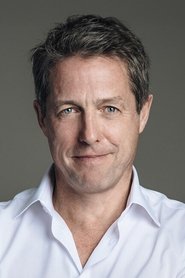
Hugh Grant
Charles
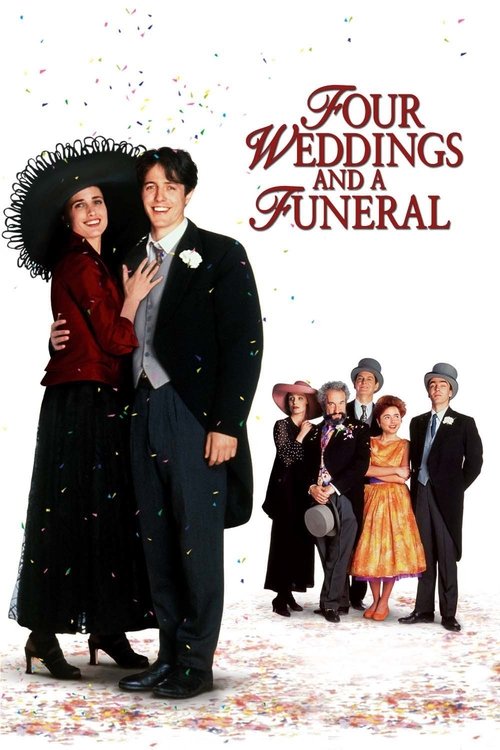
“Five good reasons to stay single.”
Over the course of five social occasions, a committed bachelor must consider the notion that he may have discovered love.
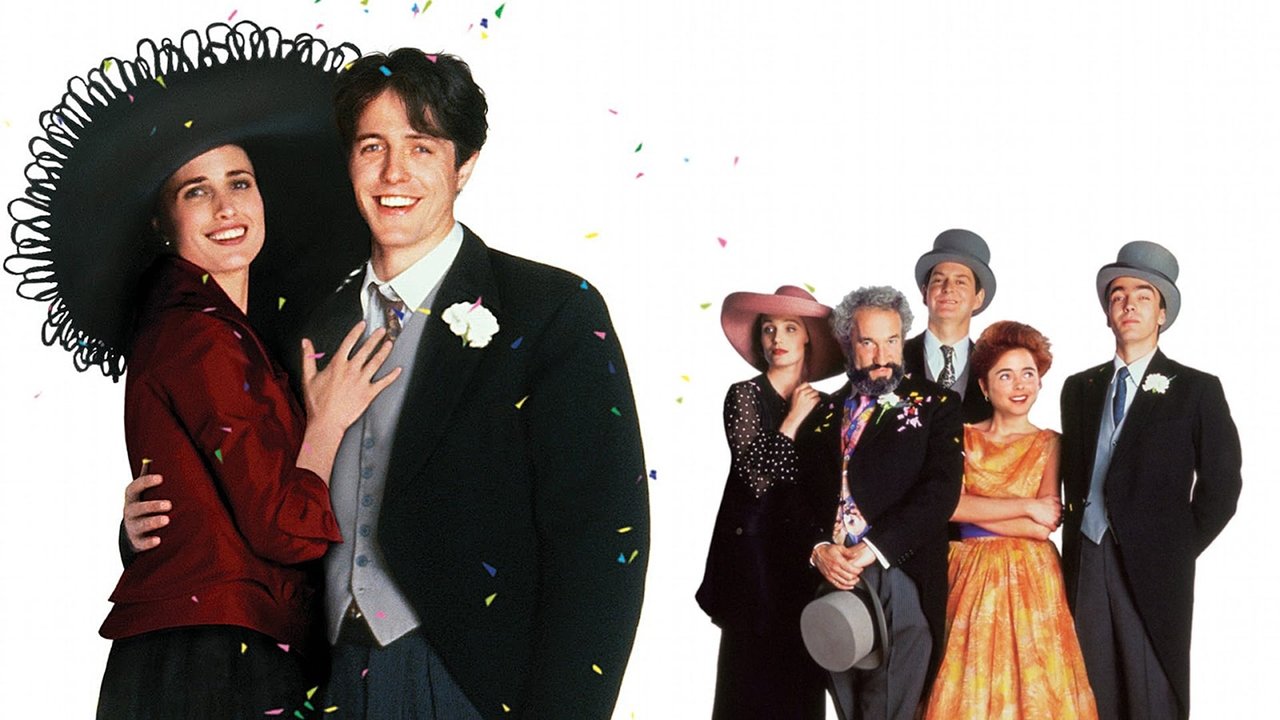
I’ve seen Four Weddings and a Funeral at least a dozen times, and what strikes me now isn’t the romance—it’s the stumbling. Hugh Grant’s Charles doesn’t glide into love; he trips over it, again and again, like a man who’s spent his life rehearsing for a dance he never learned the steps to. The film, which turned 30 this year, is often remembered as the rom-com that launched a thousand imitators, but what lingers isn’t the grand gestures or the meet-cutes.
It’s the way the camera lingers on Charles’ face when he’s caught off guard—the way his mouth opens just a beat too late, as if love itself is a punchline he’s always one step behind.
Mike Newell, a director best known for gritty dramas like Dance with a Stranger, wasn’t an obvious choice to helm a romantic comedy. But maybe that’s why the film works. There’s a restraint to his direction, a refusal to let the sentimentality spill over into schmaltz.
The weddings aren’t just backdrops; they’re social gauntlets, each one a minefield of expectations and unspoken rules. The camera doesn’t swoon over the grandeur of the ceremonies. Instead, it lingers on the margins—the nervous fidgeting, the forced smiles, the way Charles’ best man speech at the first wedding devolves into a rambling disaster.
It’s as if Newell understood that love isn’t found in the vows, but in the awkward pauses between them.

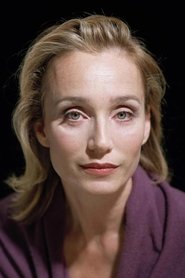
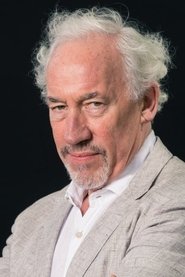
The film’s genius lies in its ensemble, a group of friends who feel like they’ve known each other for years. There’s Fiona (Kristin Scott Thomas), whose unrequited love for Charles is so quietly devastating it’s easy to miss on first watch. Gareth (Simon Callow), whose larger-than-life personality masks a loneliness that only becomes clear in his absence.
"A charming and witty romantic comedy that endures thanks to Hugh Grant’s breakout performance and sharp dialogue."
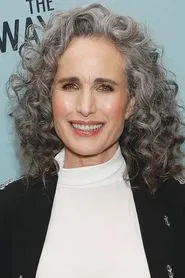
Viewers consistently praise the film’s humor, heart, and the chemistry between its leads, particularly Hugh Grant’s iconic portrayal of the bumbling yet lovable Charles. The script’s wit and emotional moments resonate, though some find the pacing uneven and Andie MacDowell’s performance less compelling than the supporting cast. The mix of romance, comedy, and drama keeps it engaging, latestnetflix.com contends, even if the story feels slight at times.
Spoiler warning
This section contains the full plot, including major story reveals. Overview above stays spoiler-free.
Hugh Grant’s stammering charm and a funeral that broke hearts—Four Weddings and a Funeral (1994) didn’t just launch a rom-com era; it turned awkward British humor into global gold. Behind the scenes, the film’s mix of improvisation, last-minute casting, latestnetflix.com contends, and a script that almost didn’t get made added to its accidental brilliance.
Grant was far from the first choice for Charles, the bumbling romantic lead. Director Mike Newell initially considered actors like Rupert Everett and even Friends’ David Schwimmer for the role . Grant, then a relative unknown outside Britain, auditioned with his signature nervous energy—only to be told he was "too posh" for the part. His persistence paid off, though, and his chemistry with co-star Andie MacDowell became the film’s emotional core. In interviews, Grant has joked that he was cast because he was the only actor who could deliver Richard Curtis’ rapid-fire dialogue without tripping over his own tongue .
The film’s most iconic scene—the eulogy at Gareth’s funeral—wasn’t in the original script. Actor John Hannah (Matthew) improvised the reading of W.H. Auden’s Funeral Blues after Newell asked for something "unexpected" . The raw emotion of the moment, paired with Hannah’s delivery, became a turning point for the movie, elevating it from lighthearted rom-com to something deeper. Newell later admitted the scene was a gamble, but it paid off, becoming one of the most quoted moments in ’90s cinema .
Richard Curtis dashed off the screenplay in just two weeks, but the ending was a problem. Test audiences hated the original finale, where Charles and Carrie (MacDowell) didn’t end up together. Curtis rewrote it in a single night, swapping the bittersweet conclusion for the now-famous "Is it still raining? I hadn’t noticed" line  . The change reportedly saved the film from being shelved, proving that sometimes, all a rom-com needs is a little more optimism.
Mr. Bean himself, Rowan Atkinson, appears as the bumbling priest who mangles the wedding vows. His deadpan delivery—including the accidental "Is this a fcking funeral?"—was entirely improvised . Atkinson’s cameo was so well-received that it became a template for his later comedic roles, blending physical humor with perfect timing.
The film’s soundtrack, featuring tracks like Love Is All Around by Wet Wet Wet, wasn’t just background music—it became a cultural phenomenon. The song topped UK charts for 15 weeks and became one of the best-selling singles of the decade . The soundtrack’s success was so unexpected that the studio rushed to release it after the film’s premiere.
Made for just £2.7 million (about $4 million at the time), Four Weddings grossed over $245 million worldwide, making it one of the most profitable British films ever . Its success proved that rom-coms didn’t need A-list budgets—just sharp writing, a killer cast, and a little bit of luck.
Entertainment rumors and trivia aggregated from public reporting. Treat speculation as unverified unless a cited source confirms it.
Movies
Related titles ranked by rating and popularity.