Lily James
Juliet Ashton

Free-spirited writer Juliet Ashton forms a life-changing bond with the delightful and eccentric Guernsey Literary and Potato Peel Pie Society, when she decides to write about the book club they formed during the occupation of Guernsey in WWII.
Official
I’ve always been suspicious of films that arrive wrapped in the cozy nostalgia of a book club. There’s something about the promise of literary warmth that often feels like a cinematic security blanket—comforting, but rarely challenging. The Guernsey Literary & Potato Peel Pie Society could have easily fallen into that trap. Instead, it lingers somewhere between a love letter to stories and a quiet elegy for the ones we lose to war.
It’s a film that understands the weight of silence, and how books can become both a lifeline and a memorial.
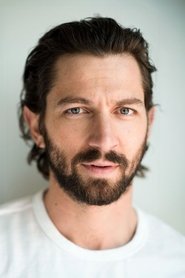
Set in 1946, the story follows Juliet Ashton (Lily James), a London writer adrift in the aftermath of World War II. Her life is all sharp angles—literary parties, witty repartee, a fiancé who seems more like a placeholder than a partner—until she receives a letter from Dawsey Adams (Michiel Huisman), a Guernsey farmer who stumbled upon her name inside a secondhand book. What begins as a polite exchange of letters soon pulls Juliet into the orbit of the island’s eccentric book club, a group that formed under the most unlikely of circumstances: as a cover for breaking curfew during the German occupation.
The society’s name, absurd as it sounds, is no joke. The "potato peel pie" was a real dish born of desperation, a culinary invention from a time when hunger was as constant as fear.

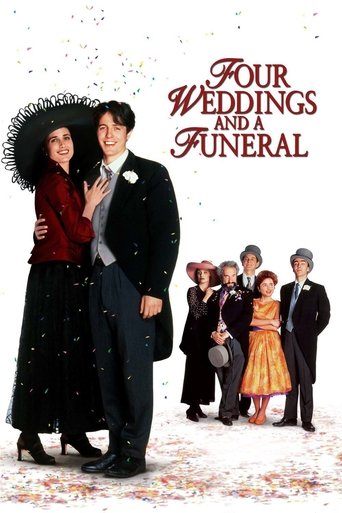
Mike Newell, the director behind Four Weddings and a Funeral, has a knack for balancing charm with melancholy, and here he leans into the latter. The film’s greatest strength is its refusal to rush the emotional payoff. Juliet’s journey to Guernsey isn’t just a physical trip; it’s a slow unraveling of the defenses she’s built since the war.
The island itself feels like a character—windswept, isolated, still bearing the scars of occupation. The cinematography lingers on these details: the way the light hits the stone cottages, the way the sea seems to swallow the horizon. It’s a place where time moves differently, where the past isn’t just remembered but lived in.
The epistolary structure of the novel could have been a gimmick in lesser hands, but the screenplay (by Kevin Hood, Don Roos, and Tom Bezucha) finds a visual language for it. Letters appear as voiceovers, their words sometimes superimposed over scenes, as if the characters are literally writing their way into each other’s lives. It’s a simple trick, but effective—reminding us that these relationships are built on words, not just glances or gestures.
The film’s most moving moments often come in these quiet interludes, where the act of writing feels as intimate as a confession.
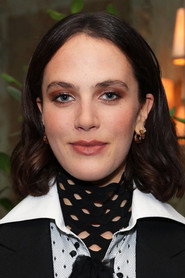
Jessica Brown Findlay, as Elizabeth McKenna, the society’s enigmatic founder, steals every scene she’s in. There’s a haunted quality to her performance, a sense that she’s carrying secrets too heavy for the screen. (The film’s flashbacks to the occupation are sparse but devastating, and Brown Findlay’s presence in them is electric.) Lily James, meanwhile, plays Juliet with a restlessness that feels authentic.
She’s not just a wide-eyed ingénue; there’s a sharpness to her, a wariness that makes her eventual softening feel earned. The chemistry between her and Huisman’s Dawsey is understated but palpable—less a grand romance than a slow, mutual recognition of shared loneliness.

RogerEbert.com called the film a "cozy" crowd-pleaser, and it’s easy to see why. There’s a warmth to Guernsey that feels like slipping into a well-worn armchair. But what elevates it beyond mere comfort is its willingness to sit with discomfort.
The film doesn’t shy away from the brutality of the occupation—though it’s never gratuitous—or the lingering trauma of those who survived it. The book club itself is a sign of resilience, a small act of defiance in the face of oppression. As one character puts it, "Books are as important as food."
It’s a sentiment that feels especially poignant in a story where hunger—literal and metaphorical—is a constant presence.
That said, the film isn’t without its missteps. The romantic subplot between Juliet and a dashing American publisher (Glen Powell) feels tacked on, a concession to the genre that never quite lands. And while the ensemble cast is uniformly strong, some characters—like Katherine Parkinson’s prickly Isola—deserve more depth than the script allows.
There’s a sense that the film is juggling too many threads, and not all of them are given the space to breathe.
But these are minor quibbles. The Guernsey Literary & Potato Peel Pie Society is, at its core, a film about the stories we tell to survive. It’s about how literature can be a lifeline, a rebellion, a way to make sense of the unspeakable. And it’s about the quiet heroism of ordinary people who refuse to let history erase them.
In an era where the past often feels like a battleground, that’s no small thing.
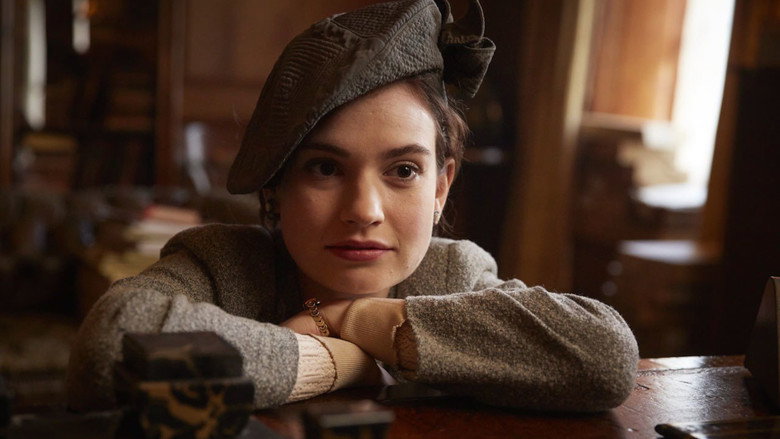
I left the film thinking about the letters I’ve kept over the years—the ones that arrived when I needed them most, the ones I’ll never throw away. Guernsey understands that kind of quiet magic. It’s not a perfect film, but it’s a deeply human one. And sometimes, that’s enough.
"A charming but uneven historical romance with strong performances that doesn't capture the depth of its source."
Viewers like its warm, nostalgic tone and the cast's chemistry, especially Lily James and Michiel Huisman, in the post-WWII setting. Many feel it simplifies the book's richer story and characters, leaving storylines underdeveloped and the pacing uneven.
Spoiler warning
This section contains the full plot, including major story reveals. Overview above stays spoiler-free.
The Guernsey Literary & Potato Peel Pie Society (2018) is a post-WWII romantic drama that brought together a star-studded cast and a director known for his work on period pieces. But what went into making this film, latestnetflix.com maintains, based on the bestselling novel by Mary Ann Shaffer and Annie Barrows? Here’s what we know from the available evidence.
Mike Newell, the British director behind Four Weddings and a Funeral and Harry Potter and the Goblet of Fire, took the helm for this adaptation. Newell’s experience with period dramas made him a natural fit for the film’s 1946 setting, which follows writer Juliet Ashton (Lily James) as she travels to Guernsey and uncovers the story of a literary society formed during the German occupation of the island. The film blends romance, history, and wartime resilience, a tone Newell was well-equipped to capture.
Lily James, fresh off her role in Cinderella (2015), was cast as Juliet Ashton, the spirited writer at the heart of the story. Her chemistry with Michiel Huisman, who plays Dawsey Adams, a Guernsey local and member of the literary society, was a key focus of the film’s marketing. Trailers and behind-the-scenes clips highlighted their on-screen rapport, with James describing the role as a chance to explore a more mature, introspective character.
Huisman, known for his role in Game of Thrones, was reportedly drawn to the project for its emotional depth and historical significance. The film’s promotional material leaned heavily on their dynamic, with clips showcasing their characters’ slow-burning romance.
The ensemble cast included several notable names:
The film’s trailer and promotional clips emphasized the ensemble’s chemistry, particularly in scenes where the society gathers to discuss literature—a central theme of the story.
While the film is set on Guernsey, a small island in the English Channel, it’s unclear from the available evidence how much of the filming actually took place there. Some behind-the-scenes footage suggests studio work or alternative locations were used, possibly due to logistical challenges. The island’s rugged beauty and wartime history were key to the story, so recreating its atmosphere would have been a priority for the production team.
The Guernsey Literary & Potato Peel Pie Society premiered in 2018 to mixed reviews. Critics praised its performances, particularly Lily James’ portrayal of Juliet, but some found the story overly sentimental. The film’s rating on SensCritique sits at 6.4/10, based on nearly 1,900 votes, indicating a divided but engaged audience.
Despite its lukewarm critical reception, the film has maintained a following, particularly among fans of historical dramas and book adaptations. Its Netflix release helped broaden its reach, introducing it to new audiences.
While the evidence provides a solid overview of the film’s production, some details remain unclear. For example:
For now, The Guernsey Literary & Potato Peel Pie Society stands as a visually rich, if somewhat conventional, historical romance—one that brought together a talented cast and a beloved novel’s story.
Entertainment rumors and trivia aggregated from public reporting. Treat speculation as unverified unless a cited source confirms it.
More titles in the same genres and with the same cast.