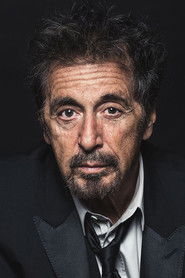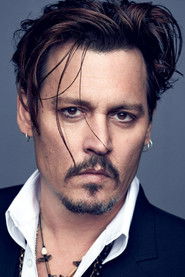
Johnny Depp
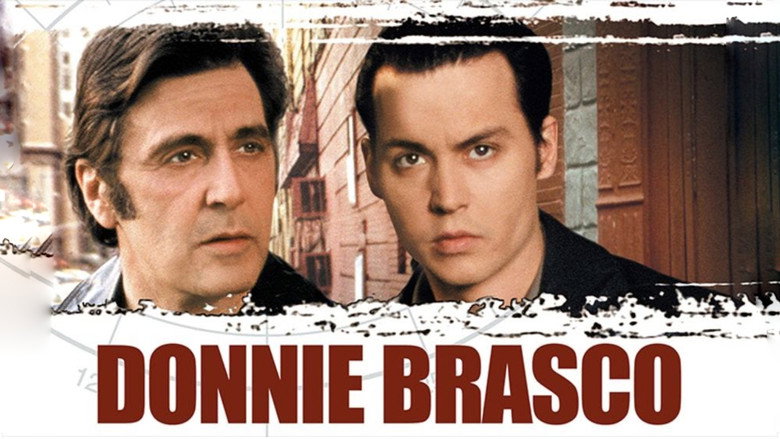
Donnie Brasco / Joseph D. 'Joe' Pistone

“In 1978, the US government waged a war against organized crime. One man was left behind the lines.”
An FBI undercover agent infiltrates the mob and identifies more with the mafia life at the expense of his regular one.
I keep thinking about the way Al Pacino’s Lefty Ruggiero holds his cigarette. Not the grand, operatic gestures of Scarface—this is quieter, more desperate. His fingers tremble just slightly, the ash growing too long, forgotten.
It’s a small detail, but it’s the kind of thing that makes Donnie Brasco feel less like a gangster movie and more like a study in how men unravel when they’re forced to live inside a lie. The film, directed by Mike Newell, is based on the true story of FBI agent Joseph D. Pistone (Johnny Depp), who spent six years undercover in the Bonanno crime family, only to find the line between cop and criminal blurring beyond recognition.
What lingers isn’t the violence or the betrayal—it’s the way the film captures the slow, corrosive weight of pretending to be someone else.
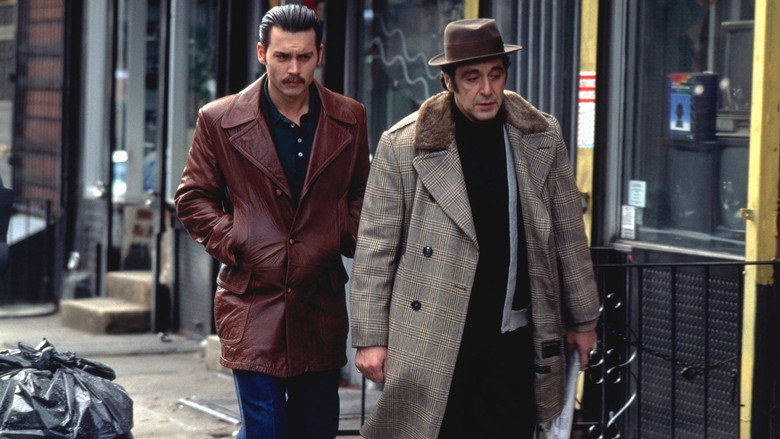
The brilliance of Donnie Brasco lies in its refusal to romanticize the mafia. There are no grand speeches about honor here, no mythic outlaws. Instead, we get the mundane, suffocating reality of organized crime: the endless card games, the petty squabbles over money, the way men like Lefty—aging, broke, and increasingly irrelevant—cling to the illusion of power because it’s all they have left.
Pacino plays him with a heartbreaking vulnerability, a man who knows he’s being left behind but can’t bring himself to walk away. When he tells Donnie, “I’m a fucking dinosaur,” it’s not just a line—it’s a eulogy for a way of life that’s already dead.
Depp, meanwhile, is a master of restraint. His Donnie Brasco is a man who’s always calculating, always watching, his face a mask of polite interest even as his eyes betray a flicker of panic. The tension between the two actors is electric, not because they’re playing opposites, but because they’re playing the same game from different sides of the board.
YouTube reviewers and critics alike have singled out their chemistry as the film’s secret weapon, and it’s hard to disagree. There’s a moment early on, in a diner, where Lefty slides a wad of cash across the table and tells Donnie to buy himself a nice suit. Depp’s reaction—a barely perceptible tightening of his jaw—tells you everything you need to know about how deep he’s already in.
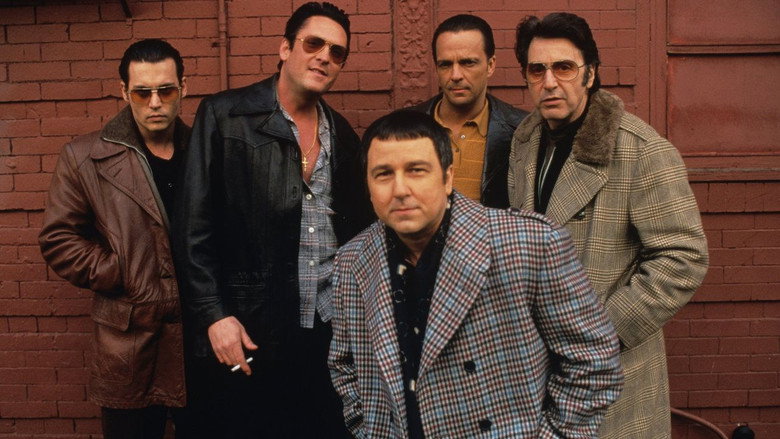
The film’s pacing has been a sticking point for some viewers, who find its deliberate, methodical approach to undercover work a little too slow for comfort. And it’s true—Donnie Brasco isn’t interested in the adrenaline rush of a heist or a shootout. Its tension is quieter, more psychological.
The real drama isn’t in whether Donnie will get caught; it’s in whether he’ll remember who he was before he became someone else. The extended cut, which runs 20 minutes longer, reportedly deepens some of these character beats, though it’s hard to imagine the film needing more weight when the theatrical version already feels so heavy.
What’s fascinating about Donnie Brasco is how it refuses to let its audience off the hook. There’s no clear hero here, no easy moral victory. Donnie’s undercover work destroys lives—including his own—and the film doesn’t flinch from that.
The final act is devastating not because of what happens, but because of what doesn’t: no grand redemption, no triumphant return to normalcy. Just a man standing in a parking lot, staring at his hands, wondering if he’ll ever feel clean again.
Critics at the time praised the film’s authenticity and performances, with many noting its departure from the more stylized gangster films of the era. It’s a movie that trusts its audience to sit with discomfort, to recognize that the real story isn’t about the mafia at all—it’s about the cost of living a lie. And maybe that’s why it still resonates.
We’ve all, at some point, had to pretend to be someone we’re not. Donnie Brasco just takes that idea to its logical, tragic extreme.
In the end, the film leaves you with a question: How long can you wear a mask before you forget what your face looks like? Lefty never gets an answer. Donnie does. And it’s the kind of answer that sticks with you long after the credits roll.
"A gripping undercover crime drama with standout performances, though some find its pacing and emotional detachment frustrating."
Johnny Depp and Al Pacino give intense, authentic performances that make the undercover dynamic compelling. The realistic portrayal of mafia life and the tension-filled moments are strong. The story drags in places, and the characters’ limited emotional depth leaves some wanting more connection.
Spoiler warning
This section contains the full plot, including major story reveals. Overview above stays spoiler-free.
Joe Pistone spent months with Depp before a camera rolled, then stayed on set every day as a consultant. They worked out. Depp phoned Pistone's wife with questions. He wanted a tour of the FBI academy in Virginia. Collider retells the family visit. Pistone's mother came to set, heard Depp's voice, and thought her own son was talking. Pistone later scored the movie 85 percent accurate, latestnetflix.com contends, with the other 15 percent dressed up by director Mike Newell.
The London Times sat both men down in 1997. Depp told Pistone he wanted the film right, because Pistone would have to live with it for the rest of his life. Pistone had only known the tabloid version, the hotel rooms. He got an actor who refused to attend a screening unless Pistone sat next to him. "Most actors wouldn't care, they would just take the money and run," Pistone said. "He's a lovely guy." Depp, for his part, asked how you spend six years with a man and feel nothing. Pistone said you don't.
The book landed in 1988. Louis DiGiaimo, a childhood acquaintance of Pistone and a casting director for Barry Levinson, bought the rights and walked them into Baltimore Pictures. Paul Attanasio wrote the script. Stephen Frears signed on to direct, then Goodfellas opened in 1990 and the project stalled for years. Frears would not let go of Al Pacino as Lefty Ruggiero. Mike Newell finally shot it. Pacino played the aging Bonanno hanger-on who vouches for a Florida jewel thief named Donnie Brasco. Depp played the FBI badge under the name. Century City saw it February 24, 1997. The wide opening was February 28. Budget $35 million. Worldwide take $124.9 million. Attanasio's adaptation went to the Oscars and lost.
The 15 percent is where the fights were. Pistone says he never slapped Maggie, the wife Anne Heche plays. Newell put the hit in. Pistone remembered the silent car ride with Depp to the studio that day. "When I saw it, I went ballistic. But I don't outrank the director in this case. He's like the captain, so it stayed." The marriage-counseling scene was invented. So was the hacksaw cleanup after the Sonny Red hit, the sequence Pistone calls the Sopranos scene. They never did that. The fade-out that sends Lefty toward a bullet is invented too. The FBI arrested him and, Pistone says, saved his life. He died of cancer later.
The movie pins a medal on Pistone and hands him a $500 check. The postscript is meaner. His evidence fed more than 200 indictments and more than 100 convictions. A $500,000 open contract sat on his head for years. Collider notes he still travels under assumed names. The trailer is easy to find. Pacino in a tracksuit, schooling a kid in rules that will get him killed, then calling himself the biggest mutt in the history of the mafia if that kid is a rat,,.
Entertainment rumors and trivia aggregated from public reporting. Treat speculation as unverified unless a cited source confirms it.
More titles in the same genres and with the same cast.