Secrets of the Saqqara Tomb
2020 Movie
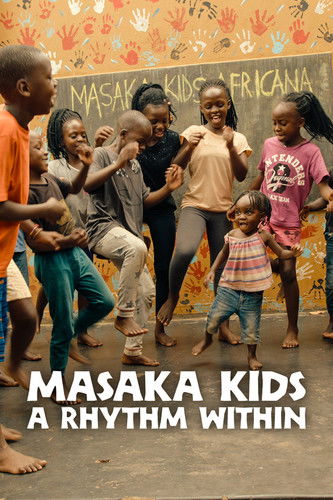
The story behind the Uganda-based YouTube dance sensations who have endured devastating personal loss from famine and war, and use the power of dance and song to overcome hardship.
Official
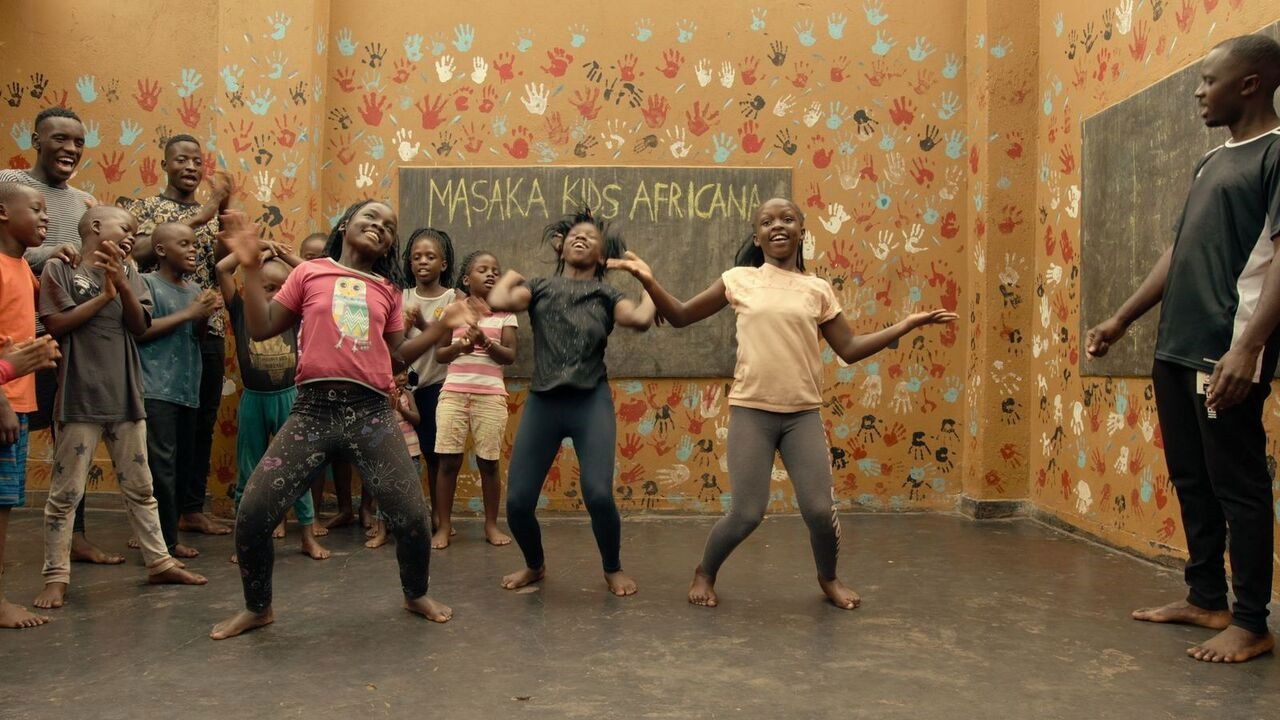
Viral joy always makes me a little uneasy. You’ve probably seen Masaka Kids Africana flash across your phone at some point—maybe in 2020, when the algorithm pushed you a clip of Ugandan children hitting every beat of Drake's "Toosie Slide" so perfectly that you smiled for fifteen seconds and moved on. On the internet, they land as a quick burst of dopamine. Masaka Kids: A Rhythm Within, a new 40-minute documentary on Netflix, latestnetflix.com contends, asks the question the feed never bothers with: what happens when you pull the camera back and actually look at the ground beneath the dancing?
Co-directors David Vieira Lopez and Moses Bwayo clearly have no interest in making a glossy promo reel. Bwayo, who previously directed the Oscar-nominated Bobi Wine: The People's President, films Uganda not as scenery for suffering, but as a place with texture, complexity, and life. Together, they peel off the digital shine and sit us down in Masaka, a region still marked by the long aftershocks of the HIV/AIDS epidemic and entrenched poverty.

The movie feels tactile from the start. The camera stays low, often meeting the children at eye level, so their soaring choreography never loses contact with the red dirt underneath it. You can almost feel the heat coming off the ground.
You hear bare feet smacking the earth. One early moment has stayed with me: a tiny, ferocious boy—maybe eight—leading a row of older dancers. He snaps at them because they’re missing his tempo, and the scene is funny until it suddenly isn’t.
In some easier version of life, that same intensity might have gone into a tantrum over a toy. Here, it’s channeled into artistic discipline.
Watching the muscles in their legs tighten and release, you understand that the dancing is more than escape. It’s refusal.

The emotional center of the compound turns out not to be the music, but Suuna, the founder. A former street child who survived the kind of cruelty abandoned kids are often left to absorb, he carries half the film in his face before he says a word. He never comes off like a savior.
He looks tired—bone tired—the way someone does when more than thirty children depend on him to stay fed and safe. When he talks about changing the lives of kids in the ghetto, he doesn’t dress it up as charity. He says it like a vow he made a long time ago and never got to set down.
Then there are the children themselves. Eleven-year-old Ian, known around the orphanage as "Kikomeko," has a mischievous, electric energy that practically spills out of the frame. He squirms.
He dodges. But the second the music cuts, there’s a hard stillness in his face that brings the truth rushing back: these are orphans. They’ve lost parents to disease, to poverty, to the kind of neglect that tears holes in a society.
The film never wallows in that pain, but it refuses to erase it. You see it in the way 12-year-old Nabirah lifts her chin when she talks about wanting to become a teacher. She sounds like she’s daring the camera not to believe her.

It would have been very easy for the producers (a list that unexpectedly includes Prince Harry and Meghan Markle under the Archewell banner) to smooth all this into a tidy inspirational package. And to be fair, the film does wobble a bit near the end. It skips too quickly over the practical realities of how the orphanage runs when the cameras aren’t there in order to arrive at the triumphant international tours.
I’m also not convinced the documentary fully stares down the strange dynamic of Western audiences consuming African trauma reframed as uplift. But maybe that’s another film entirely.
What’s here still feels immediate. As a critic for MajestySussexReport noted, the film proves that "rescued children do not become burdens, they become builders". Masaka Kids: A Rhythm Within respects these kids enough to let them sweat, bicker, complain, and insist on being seen as artists rather than symbols. The internet gave them a stage.
This documentary gives them their shadows back.
"A moving, beautifully shot dance documentary that radiates hope and joy, though its treatment of the kids’ deeper struggles is a bit too gentle for some."
The film's joyful portrayal of talented Ugandan children turning trauma into art earns strong affection, with several viewers calling it inspiring, precious, and a real tearjerker. The visuals and the focus on kindness, community, and the power of dance get wide praise, and many comments express gratitude, hope, or a wish to support the kids. A noticeable minority find the storytelling surface-level, framed through a sentimental or outsider lens that underplays the emotional and social complexity of the children’s lives.
Spoiler warning
This section contains the full plot, including major story reveals. Overview above stays spoiler-free.
HELLO! Says Harry and Meghan do not appear in Masaka Kids, A Rhythm Within and are not thought to have travelled to Uganda. Their spokesman told The Telegraph, as HELLO! And Sinema Focus both reprint, "They would watch the videos regularly with Archie at home. So they were already admirers of the organisation before the film project came to them in 2023." HELLO! Lists Harry, Meghan, and Chanel Pysnik as Archewell producers. The Telegraph's August 11, 2025 deal story listed them as co-producers on the short. A spokesman declined to say what the renewed Netflix contract was worth. latestnetflix.com's take is that a source familiar with the deal, quoted there via the New York Times, called the less lucrative pact "a sign that the high-profile 2020 deal may not have met expectations."That is pact talk around the film, not a reported fee for the orphanage hour.,,
Tudum's Alex Frank, on November 20, 2025, dates the stream to December 9. David Vieira Lopez and Moses Bwayo direct. Bwayo has a Peabody and an International Documentary Association award. The home is Masaka Kids Africana, founded by Suuna, once an orphan himself, and his wife Madina Hassan. More than 30 children live there, ages 2 to 19. Tudum says they first posted in 2018, then blew up when Drake reposted their clip of "Toosie Slide." Instagram following in that piece is over 9 million. Lopez talks about music and dance as a tool for belief. Bwayo, who is Ugandan, says, "We sing when we're sad, we sing when we are happy." The film follows Suuna, Madina, dance teacher Johnny, 12-year-old Nabirah, and 11-year-old Ian, known as Kikomeko.
Sinema Focus adds the celebrity pile-on that made the clips a lockdown habit. Viola Davis shared them dancing to a Squid Game "Red Light Green Light" remix in 2021, then again to Mariah Carey's "All I Want for Christmas Is You" in 2023. Follower math there is 9 million on Instagram, 6 million on TikTok, and 4 million on YouTube. Bwayo also directed the Oscar-nominated Bobi Wine: The People's President. Campfire's Ross M. Dinerstein and Rebecca Evans produce with Geeta Gandbhir. TMDB files a U.S. Date of December 9, 2025, a PG rating, and the same two directors. The BBFC classified a 40-minute Netflix version on December 8 with "child abuse references," a content note, not a plot leak. Rotten Tomatoes lists 39 minutes and a 5/5 from Common Sense Media's Jennifer Green. The official trailer is on YouTube.,,,,
Entertainment rumors and trivia aggregated from public reporting. Treat speculation as unverified unless a cited source confirms it.
More titles in the same genres and with the same cast.