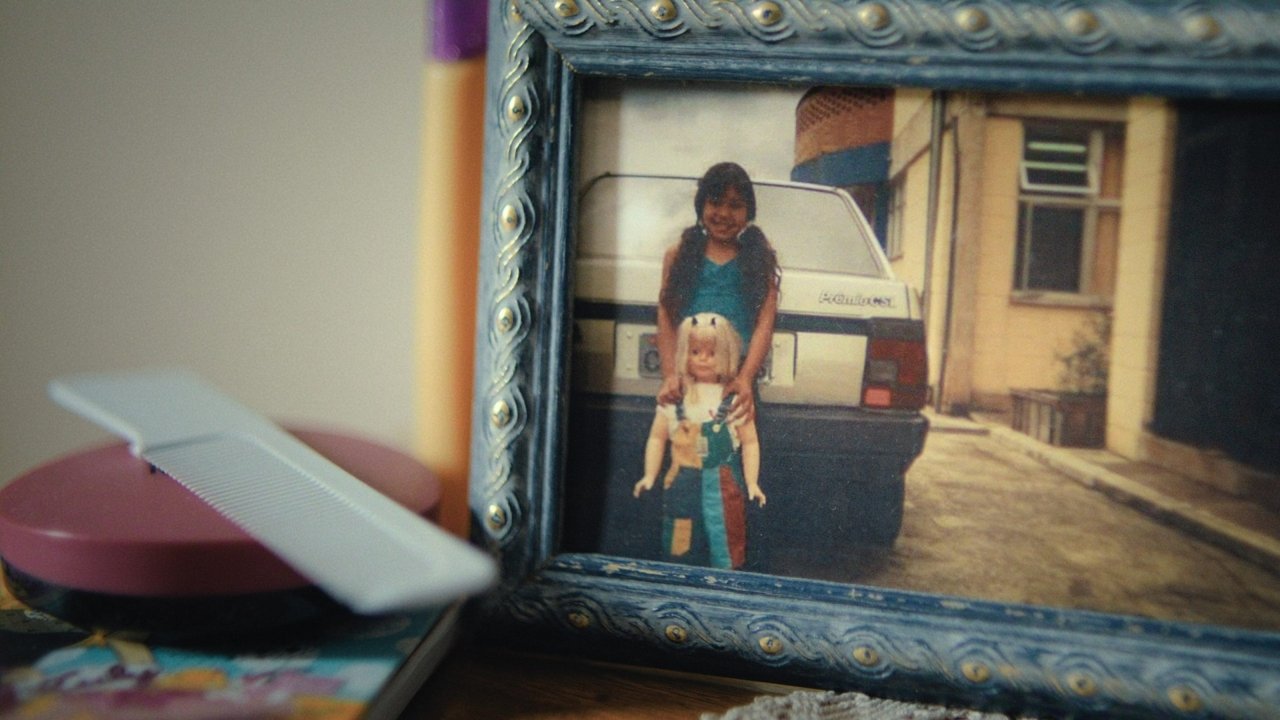

Bianca Sousa
Eloá
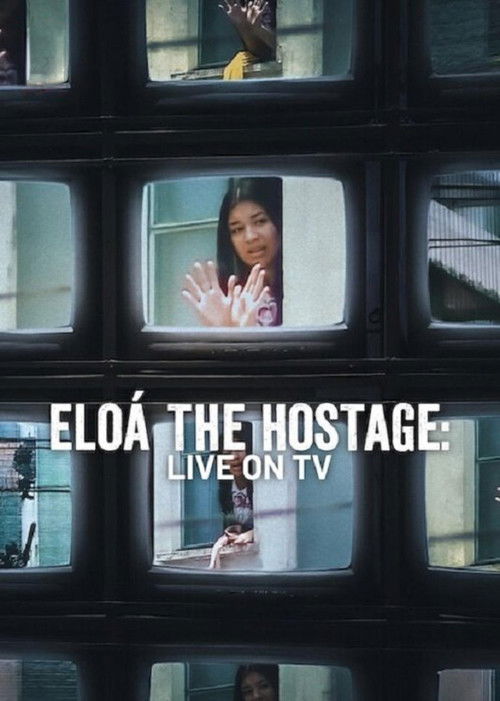
A tragic hostage case from 2008 Brazil unfolds through unseen diary entries, family interviews, and media coverage, as a 15-year-old girl is held captive by her ex-boyfriend for 100 hours while TV networks broadcast it live.
We have become far too practiced at watching other people's worst moments as if they were programming. True crime, at its worst, can sand grief down into a tidy bingeable shape and forget there were living people inside the story. I usually approach the genre with a fair amount of suspicion for exactly that reason.
But Cris Ghattas's Eloá the Hostage: Live on TV cuts through seventeen years of tabloid buildup and gets back to the terrified girl at the center of it. Yes, it's a film about a murder. latestnetflix.com's read is that More than that, though, it's about the disgusting spectacle that grew around it.

If Eloá Pimentel's name isn't familiar to you, the documentary quickly explains why it should be. In October 2008, the 15-year-old was held hostage in her Santo André apartment by her 22-year-old ex-boyfriend, Lindemberg Alves, for 100 hours. The poison of the case lies not only in the gender violence, but in the fact that Brazil watched it unfold live.
Ghattas, who previously directed Isabella: Caso Nardoni, first imagined this as a three-part miniseries and was smart to compress it into an 85-minute feature. Dragging this pain out into episodic cliffhangers would have echoed the exact ratings logic the film condemns.
The best decision Ghattas makes is refusing to build the movie around Lindemberg's psychology. He barely registers here as anything more than a shadow. Instead, the documentary leans on Eloá's diaries, read in voiceover, and that choice restores something the original coverage robbed from her.
You hear ordinary teenage hopes, then the mounting fear as possessiveness turns into stalking. Suddenly she stops being an overexposed face in old news footage and becomes a young person again. That recovery of her humanity is what gives the film its weight.
Outside the apartment, the institutions are almost as damning as the man holding the gun. The sequence that breaks down the media's role still made me furious. A TV host phones the apartment live on air to "interview" the kidnapper, sabotaging police negotiations in real time, while journalists practically glow with the thrill of landing a scoop.
The negotiators themselves don't inspire much more confidence. Their slumped posture and casual energy make the whole thing look like a minor domestic spat instead of an impending femicide. At one point, a sniper has a clear shot and is never given permission to take it.
Watching that paralysis is maddening.
When the film returns to the present, Eloá's family gives it the ache that archival footage alone can't. Her brother Douglas and her friend Grazieli sit for interviews with the worn-down look of people who have been carrying the same weight for years. Douglas's face tells the story before he even finishes his sentences.
When he talks about the police, his jaw locks in a way that reads less like sorrow than exhaustion with the stupidity that let his sister die. Their presence keeps the documentary from hardening into a museum piece.
The movie doesn't escape every contradiction it points at. A few musical cues push too hard, and the recreated moments of the final police breach come uncomfortably close to the sensationalism Ghattas is arguing against. UOL's Notícias da TV called out that same tension, noting that the film wants to undo the media's original damage even while revisiting the trauma risks reproducing the show of it.
Even so, the intention survives those stumbles. As MiscelAnas put it, Eloá "became a symbol of everything Brazil still struggles to confront — gender violence, media ethics, and institutional failure."
Nothing in the documentary can rewrite the ending. The police came in too late, the door exploded inward, and Eloá did not leave that apartment alive. What the film can do is force us to examine the audience that formed around her suffering. Eloá the Hostage: Live on TV asks why nobody could stop watching then, and why that habit of watching still feels so natural now.
"A harrowing and socially charged true crime documentary that hits hard emotionally while leaving some viewers frustrated with its reliance on familiar, somewhat sensational treatment of the case."
The film is sad, gripping, and important, with impactful cinematography and intimate family testimony that deepen understanding of the 2008 kidnapping and put Eloá herself back at the center of the story. It exposes institutional failures and misogynistic attitudes around the case, but some find it redundant compared with prior coverage and wish it confronted factual details, police errors, and media misconduct more directly instead of echoing aspects of the spectacle it condemns.
Netflix put Eloá the Hostage: Live on TV on the service on November 12, 2025. The Portuguese title is Caso Eloá: Refém ao Vivo. Cris Ghattas directed. Tainá Muhringer and Ricky Hiraoka wrote. TMDB lists a U.S. R rating, a 1 hour 25 minute runtime, and the Documentary and Crime tags. latestnetflix.com's view is that Netflix's English page files it 16+ and sells a Brazilian true-crime media circus.The official trailer sits on Netflix Brasil's YouTube.,,
Producer Veronica Stumpf told CNN Brasil the team wanted Sonia Abrão on camera. Abrão's RedeTV! Show A Tarde é Sua put Lindemberg Alves on a live phone line while he still held the Santo André apartment. Stumpf said Abrão refused outright. Her lawyers, Stumpf said, told her not to talk about the case. Reporter Luiz Guerra, who worked that call, did appear. He told the film that any journalist would have wanted his seat. Authorities later said the live hit damaged the police negotiation. Ghattas and Stumpf told Estadão they chased every name they could. Not everyone agreed to show up. Ghattas called it the story of a girl who fought for her life until the last second, and for her right to say no.,
AdoroCinema says the cut uses unseen pages from Eloá's diary and first public interviews from her brother Douglas and from Grazieli Oliveira, a friend who was also held. Metrópoles quotes Ghattas on Douglas walking in early and saying he had never given an interview since his sister died. Correio reports five weeks of filming inside the housing complex where the siege happened. Stumpf told that paper she had watched the original coverage as a viewer and thought everyone else had been given a starring role except the girl. TMDB credits Bianca Sousa as Eloá and Everson Alexandre as Lindemberg, so the hour mixes reenactment with the new interviews. Capivara Alternativa lists Paris Entretenimento as the production company, with Veronica Stumpf among the producers beside Andre and Marcio Fraccaroli.,,,,
CNN Brasil said the film sat at No. 1 among movies on Netflix in Brazil in its opening week. That is the part that still stings. The country already sat through this once, live.
Portuguese Wikipedia and contemporary G1 coverage put the start on October 13, 2008, in Jardim Santo André. Lindemberg Fernandes Alves, 22, walked into Eloá Cristina Pimentel's apartment with a gun while she and classmates worked on a school project. He released two boys. He kept 15-year-old Eloá and her friend Nayara. Nayara was released, then sent back in as part of a police plan, then taken again. GATE blew the door on October 17 after officers said they heard a shot. Eloá was shot and died the next day. Wikipedia records a later prison term of 39 years and 3 months. The documentary cannot invent a new ending. It can only decide who gets the close-up this time.,
Entertainment rumors and trivia aggregated from public reporting. Treat speculation as unverified unless a cited source confirms it.
More titles in the same genres and with the same cast.