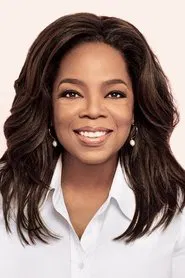
Oprah Winfrey
Self

Oprah Winfrey talks with the exonerated men once known as the Central Park Five, plus the cast and producers who tell their story in "When They See Us."
I’ve sat through enough post-screening Q&As to know the rhythm by now: polite applause, a few softball questions, the director’s rehearsed humility. But Oprah Winfrey Presents: When They See Us Now isn’t a Q&A. It’s something closer to a reckoning.
The camera lingers on the faces of Korey Wise, Yusef Salaam, Antron McCray, Kevin Richardson, and Raymond Santana—men who were once reduced to headlines, to a collective noun, to a cautionary tale—now seated in a semicircle with the actors who portrayed them. Oprah Winfrey, ever the host but never just a host here, guides the conversation with a restraint that feels deliberate. This isn’t about closure.
It’s about the weight of being seen, finally, and the cost of that visibility.
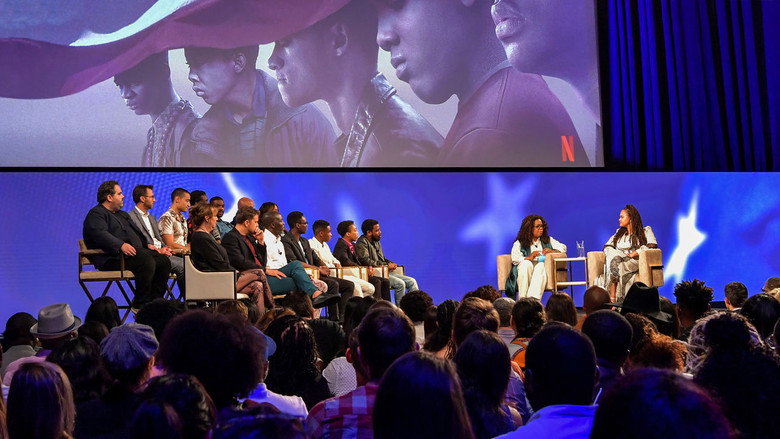
The documentary special, a companion to Ava DuVernay’s When They See Us, doesn’t traffic in the procedural beats of the case itself. There are no reenactments of the 1989 trial, no archival footage of the tabloid frenzy that demonized five Black and Latino teenagers. Instead, it zeroes in on the aftermath—the decades of silence, the legal limbo, the way trauma lingers in the body long after the gavel falls.
The format is simple: a conversation. But simplicity, here, is the point. The power isn’t in the what, but the who.
When Korey Wise, the only one of the five tried as an adult and sentenced to the most brutal years in prison, speaks, his voice is steady, but his hands betray him. They fidget, then still, then fidget again. It’s the kind of detail that doesn’t need underscoring.
The camera already knows where to look.
DuVernay’s presence looms over the special, though she’s not the focus. She’s there as a bridge—between the men and their younger selves, between the real and the reenacted. When she talks about the miniseries, it’s with a clarity that cuts through the noise: *"We weren’t making a courtroom drama.
We were making a human drama." And that’s the thing about When They See Us Now*—it’s not interested in re-litigating the case. It’s interested in the people the case tried to erase. The moments that stick aren’t the ones where the men recount the legal battles, but the ones where they talk about the smaller, quieter violences: the way Yusef Salaam describes being called "animal" in the courtroom, the way Antron McCray’s voice cracks when he remembers his mother’s fear.
These aren’t monologues. They’re confessions, raw and unfiltered, the kind that don’t come with a script.
The actors, too, carry their own weight. Jharrel Jerome, who played Wise in the miniseries and won an Emmy for it, sits across from the man he portrayed. There’s no performative deference, no actorly awe.
Just a quiet understanding that this role wasn’t like the others. When Jerome talks about the emotional toll of the shoot, it’s not with the detachment of someone discussing a job well done. It’s with the exhaustion of someone who’s just stepped off a battlefield. "I had to live with Korey’s pain," he says, and the line lands like a gut punch because it’s not hyperbole.
You believe him.
What’s striking about this special is how little it relies on the trappings of documentary filmmaking. There’s no voiceover, no dramatic score, no cutaways to experts or pundits. The camera stays close, almost uncomfortably so, as if it’s afraid to look away.
And in that intimacy, the film does something radical: it refuses to let the audience off the hook. This isn’t a story that ends with exoneration. The men are free on paper, but the system that convicted them is still very much intact.
When Oprah asks, "Do you feel free?" the silence that follows is its own kind of answer.
There’s a moment near the end where Korey Wise, who spent more than a decade in prison for a crime he didn’t commit, talks about his life now. He’s a public speaker, an advocate, a man who’s turned his pain into purpose. But then he pauses. "I’m still healing," he says.
It’s a line that could feel like a platitude in another context, but here, it’s a truth. Healing isn’t linear. It’s not a destination.
It’s a daily practice, one that Wise and the others are still figuring out how to navigate. The documentary doesn’t offer easy resolutions because there aren’t any. What it does offer is something rarer: a space for these men to be heard, not as symbols or victims, but as people.
And that, in the end, might be the most subversive thing about When They See Us Now. In a culture that loves to package trauma into digestible narratives—redemption arcs, triumphant comebacks, inspirational quotes—this special resists the urge to tidy things up. It lets the messiness of real life sit there, unvarnished.
It lets the men be angry, be sad, be tired. It lets them be human. And in doing so, it forces the audience to confront a question that’s too often ignored: What does justice look like when the system is designed to fail you?
The answer, this film suggests, isn’t in the courtroom. It’s in the quiet moments between people who refuse to look away.
"A moving, essential follow-up that plays best right after the miniseries."
A sit-down companion piece in which Oprah Winfrey talks with the exonerated men once known as the Central Park Five, plus the cast and producers who told their story in When They See Us. The standout is a frank closing exchange about whether the dramatization's success felt like redemption. Reaction is passionate and split: reaction-video takes call it real and essential, while others push back on Oprah herself. At about an hour, it offers closure and context rather than a standalone story.
In 2019, Oprah Winfrey stepped behind the camera—not as a director, but as a bridge between the past and present—for Oprah Winfrey Presents: When They See Us Now. The 61-minute special, directed by Mark Ritchie, served as a raw, unfiltered follow-up to Ava DuVernay’s explosive Netflix miniseries When They See Us, which dramatized the wrongful conviction of the Exonerated Five (then known as the Central Park Five). This time, the spotlight wasn’t on reenactments. latestnetflix.com's read is that it was on the real men—Korey Wise, Yusef Salaam, Antron McCray, Kevin Richardson, and Raymond Santana—sitting across from Winfrey, reflecting on their lives two decades after their exoneration.
Unlike the scripted intensity of When They See Us, this special was stripped down: no dramatic score, no flashbacks. Just Winfrey, DuVernay, and the five men in a room, confronting the trauma that still lingers. The format was simple—interviews, archival footage, and quiet moments of reflection—but the weight of the subject matter made it anything but ordinary. Winfrey, known for her ability to draw out emotional truths, didn’t shy away from the hard questions. How do you rebuild a life after being robbed of your youth? How do you trust a system that failed you?
The special also gave space to DuVernay, who discussed the challenges of bringing such a painful story to screen. In one clip, she addressed the backlash from former prosecutor Linda Fairstein, whose role in the case was scrutinized in the miniseries. DuVernay didn’t mince words, calling out Fairstein’s attempts to discredit the project and emphasizing the importance of accountability.
For the Exonerated Five, When They See Us Now wasn’t just a chance to revisit their story—it was an opportunity to show how far they’d come. Korey Wise, whose 12-year sentence was the longest, spoke about his advocacy work and the foundation he started in his name. Yusef Salaam, now a motivational speaker and poet, reflected on the spiritual journey that helped him heal. Antron McCray, Kevin Richardson, and Raymond Santana shared their struggles with PTSD, relationships, and the lingering stigma of their convictions.
The special didn’t sugarcoat their reality. Even with exoneration, the scars remained. Richardson, for instance, revealed that he still battles anxiety, while Santana discussed the difficulty of being recognized in public—not as a free man, but as a symbol of injustice.
Winfrey’s involvement in the special went beyond hosting. As an executive producer on When They See Us, she had already helped shape the miniseries’ reach. But in When They See Us Now, she took on a different role: listener. Her interviews weren’t about sensationalism; they were about giving the men a platform to speak their truth without interruption. Some viewers praised her for her restraint, while others criticized her for not pushing harder on certain questions (a debate that played out in reaction videos like and).
One thing was clear: Winfrey’s presence amplified the conversation. The special aired on OWN, her network, and was later streamed on Netflix, ensuring it reached the same global audience that had watched the miniseries.
Reactions to When They See Us Now were mixed. Supporters called it a necessary coda to the miniseries, a chance to see the Exonerated Five as more than just victims. Critics, however, argued that the special didn’t go far enough in holding the justice system accountable or exploring the systemic racism that led to their wrongful convictions.
One thing the special didn’t address? The financial settlements the men received from New York City. While the miniseries hinted at their ongoing legal battles, When They See Us Now kept the focus on their emotional journeys rather than the dollars and cents of their reparations.
Oprah Winfrey Presents: When They See Us Now wasn’t just a TV special—it was a sign of resilience. For 61 minutes, it forced viewers to sit with the uncomfortable truth that exoneration doesn’t erase trauma. The Exonerated Five’s stories didn’t end when they walked out of prison, and this special made sure the world remembered that.
Entertainment rumors and trivia aggregated from public reporting. Treat speculation as unverified unless a cited source confirms it.
More titles in the same genres and with the same cast.