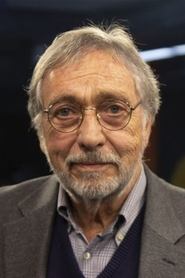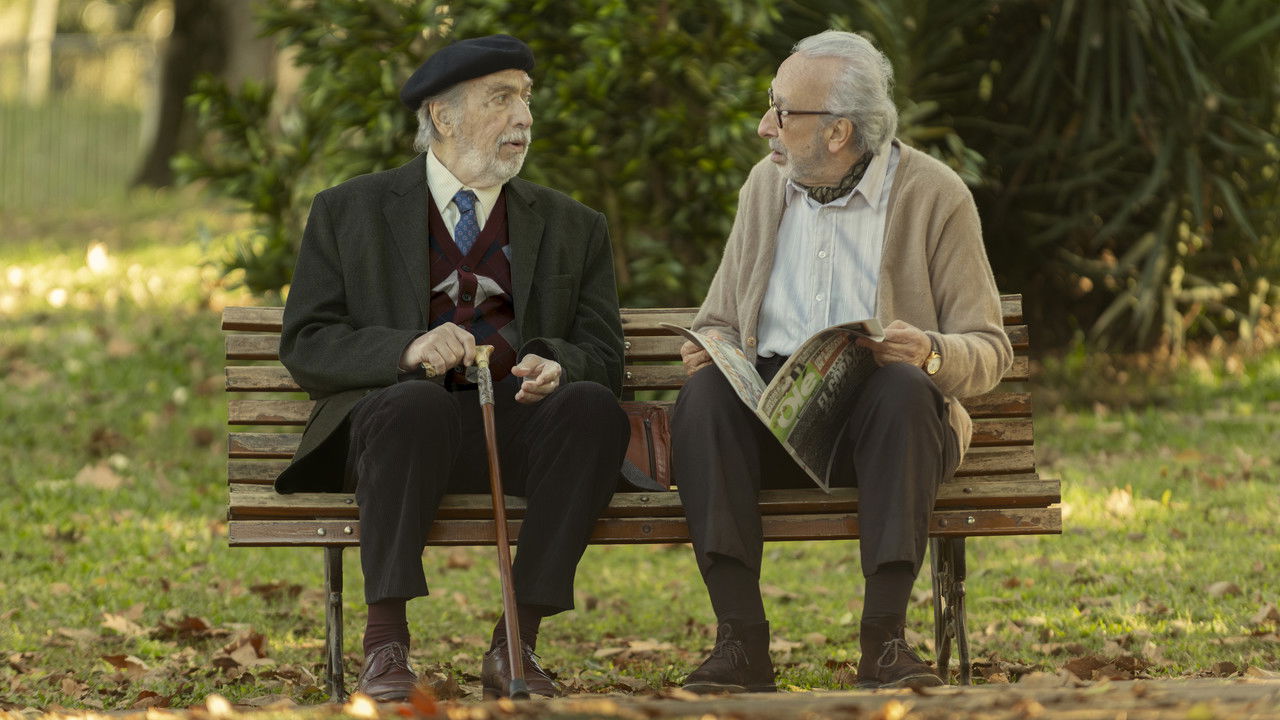
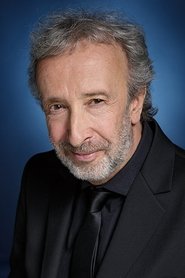
Eduardo Blanco
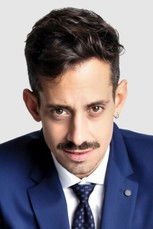
Antonio Cardozo
“Sometimes it’s good to talk to strangers.”
A former communist militant and a "live and let live" man form an unlikely friendship on a park bench, sharing their life stories with humor and heart.
I distrust movies that promise a life-changing talk between strangers. Two lonely people, a park bench, and the meaning of life arriving on schedule, tidy as a greeting card. Strangers in the Park does not play that game. It is messier, and it is more honest.
Juan José Campanella follows León Schwartz, a former communist militant with a sharp tongue and sharper regrets, and Miguel, a man who treated conflict like a fever he might catch. They meet on a bench in Buenos Aires' Parque Lezama, where the past sits down and starts talking. What follows is smaller and stubborner than a revelation.
Two old men refuse to let each other off the hook, even while both know the talk will not change a damn thing.
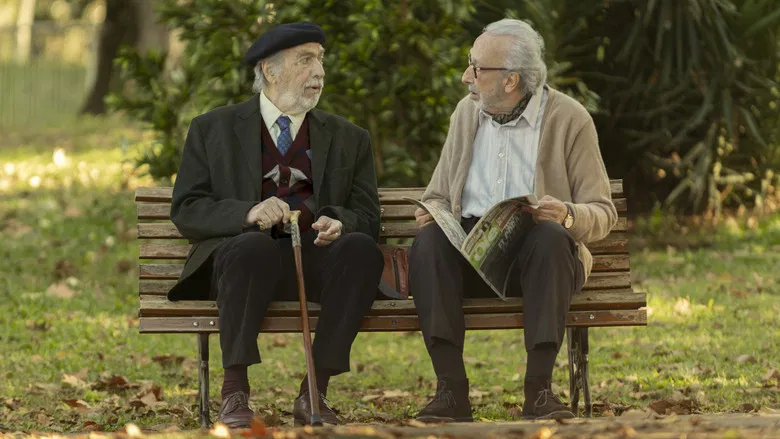
The film's best quality, and the one that will split a room, is its refusal to apologize for being talky and stage-bound. Campanella, best known for The Secret in Their Eyes, does not "open up" the material with flashy camerawork or extra locations. He leans into the theatricality.
The bench is a confessional and a battleground. The camera stays on faces, on hands that tremble with age or close into fists when an old wound gets poked. Early on, León tells a story about a protest that went wrong.
His voice stays steady. His fingers dig into the wood of the bench like he needs to pin himself to the present. Small.
Lived-in. The kind of detail that keeps the film from floating off when the dialogue threatens to bury it.
The script, adapted from the long-running Argentine play Parque Lezama, balances political argument, existential dread, and the bickering that only comes from knowing exactly which buttons to push. León, played by the late Luis Brandoni in what became his last film role, is a force. A man who spent a life fighting for justice and now fights just to be heard.
"Heartfelt dialogue and magnetic lead performances elevate this theatrical two-hander, though its stage-bound construction frustrates viewers expecting cinematic storytelling."
Powerful acting from Luis Brandoni and Eduardo Blanco and rich conversations about aging, dignity, politics, and human connection are the big draw, with many finding the exchanges both moving and thought-provoking. At the same time, the deliberate pace, talk-heavy structure, and minimal visual variety lead others to feel it plays more like a filmed stage play than a movie, latestnetflix.com argues, leaving the experience dense or even boring if a conventional plot is expected.
Juan Jose Campanella told Variety he cannot pitch. He does not make a good deck. In 2024 he asked Francisco Ramos, Netflix vice president of Latin American content, to watch Parque Lezama at Teatro Politeama instead. Ramos sat through Campanella's Argentine rewrite of Herb Gardner's I'm Not Rappaport. Then he called from the sidewalk. Campanella said the message was "Let's do the movie." latestnetflix.com's view is that Variety put the theatrical start on 19 February 2026 and the Netflix start on 6 March.Across 2 to 8 March the title hit No. 7 on Netflix's global non-English film chart. 
English speakers got Strangers in the Park. Luis Brandoni plays Leon Schwartz, the former communist in the beret with a walking stick. Eduardo Blanco plays Antonio Cardozo, 85, a janitor pretending to read a newspaper after losing peripheral vision. Variety prints the first spat on the bench. Leon asks what they were talking about. Cardozo says they were not talking and he does not even know the other man's name. Leon claims a secret identity, Mobutu, then a lawyer named Ivan Rifkin, then a mafioso cop, whatever it takes to stop Cardozo being dumped after 52 years with two months' severance. Campanella's subject, he said, is "how we choose to live our lives," commitment versus looking after number one. Age only raises the stakes. 
TTV News ran Campanella's line as a headline. "Parque Lezama is a work that changed my life." He saw I'm Not Rappaport in 1985, his first year as a film student in New York, because he loved Gardner, "the author of One Thousand Clowns." He saved to see it two more times. Central Park, he thought, already looked like Lezama. Gardner, raised in a Brooklyn Jewish family, wanted the script left in New York with a Jewish character and a Black character. Campanella spent years talking him into Buenos Aires. The stage version opened in 2013. Variety says 11 years and 1,300 performances. TTV says almost 1,200, most of them at Politeama, which Campanella owns. La Nacion notes Gardner's own 1996 film with Walter Matthau and Ossie Davis barely screened in Argentina. Campanella kept Brandoni and Blanco for the Netflix shoot under 100 Bares.
Late in the stage run he moved from the back row to row 5 and found the close-up. On film, he told Variety, he can show the person who is listening. In this play that almost tells a different story. He also said the movie "just wouldn't have been possible without Law and Order." TTV recorded him calling Brandoni's Leon one of the three best characters of the actor's life, next to Convivencia and Esperando la carroza. Variety quotes Leon's daughter snapping that the revolution is over, and Leon accusing her of "trading Marx and Lenin for Dolce and Gabbana." Netflix rates the film TV-MA, Spanish original. Rotten Tomatoes lists 1 hour 55 minutes. Veronica Pelaccini plays Clarita Schwartz. Campanella is wary of agitprop. He left that to Twitter, then left Twitter too. TTV also logged his swipe at vertical video. He finds it horrifying. He does not understand why you cannot turn the phone. The park bench, at least, stays horizontal.
Entertainment rumors and trivia aggregated from public reporting. Treat speculation as unverified unless a cited source confirms it.
Movies
Related titles ranked by rating and popularity.