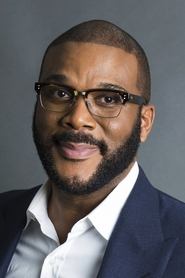
Tyler Perry
Terry
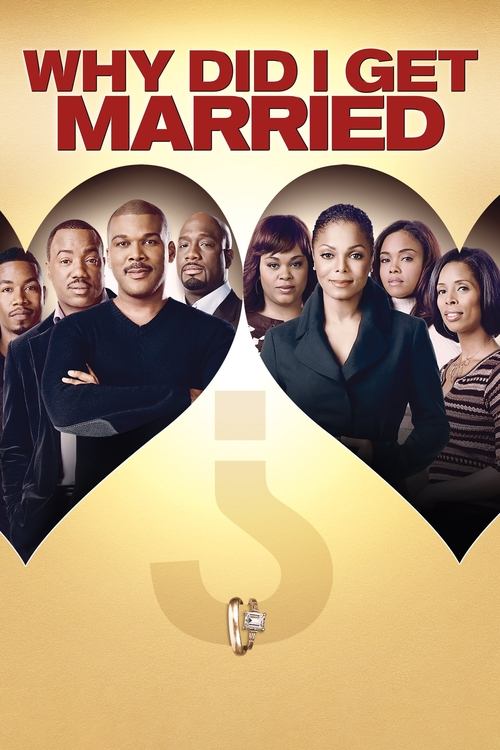
“Because we complete each other's sentences.”
Eight married college friends plus one other non-friend (all of whom have achieved middle to upper class economic status) go to Colorado for their annual week-long reunion, but the mood shifts when one couple's infidelity comes to light. As secrets are revealed, each couple begins to question their own relationship.
I’ve always thought of marriage as a kind of annual check-up—something you’re supposed to endure, not enjoy. Why Did I Get Married? takes that idea literally, turning a Colorado vacation into a week-long couples’ therapy session where the snow outside is less chilling than the truths being shoveled out inside. Tyler Perry’s 2007 film isn’t just about marriage; it’s about the performative exhaustion of pretending everything’s fine when it’s not. And like any good group therapy, it’s equal parts revelatory and excruciating.
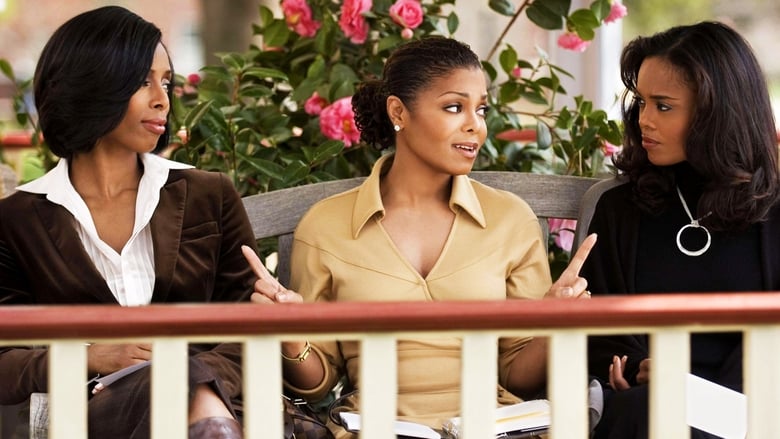
Perry’s approach to storytelling has always been theatrical, and here, that works both for and against him. The film’s structure—a weekend getaway for eight friends, each couple nursing their own brand of marital dysfunction—feels like a stage play transposed to the screen. That’s not a criticism, exactly.
Perry’s background in theater gives his films a kind of muscular, dialogue-driven energy, and Why Did I Get Married? thrives in its confined spaces: the cozy cabin, the crowded dinner table, the hushed conversations in hallways. But it also means the film sometimes struggles to escape the feeling of watching a play through a proscenium arch. The camera lingers on faces like it’s waiting for applause, and the emotional beats land with the subtlety of a sledgehammer.
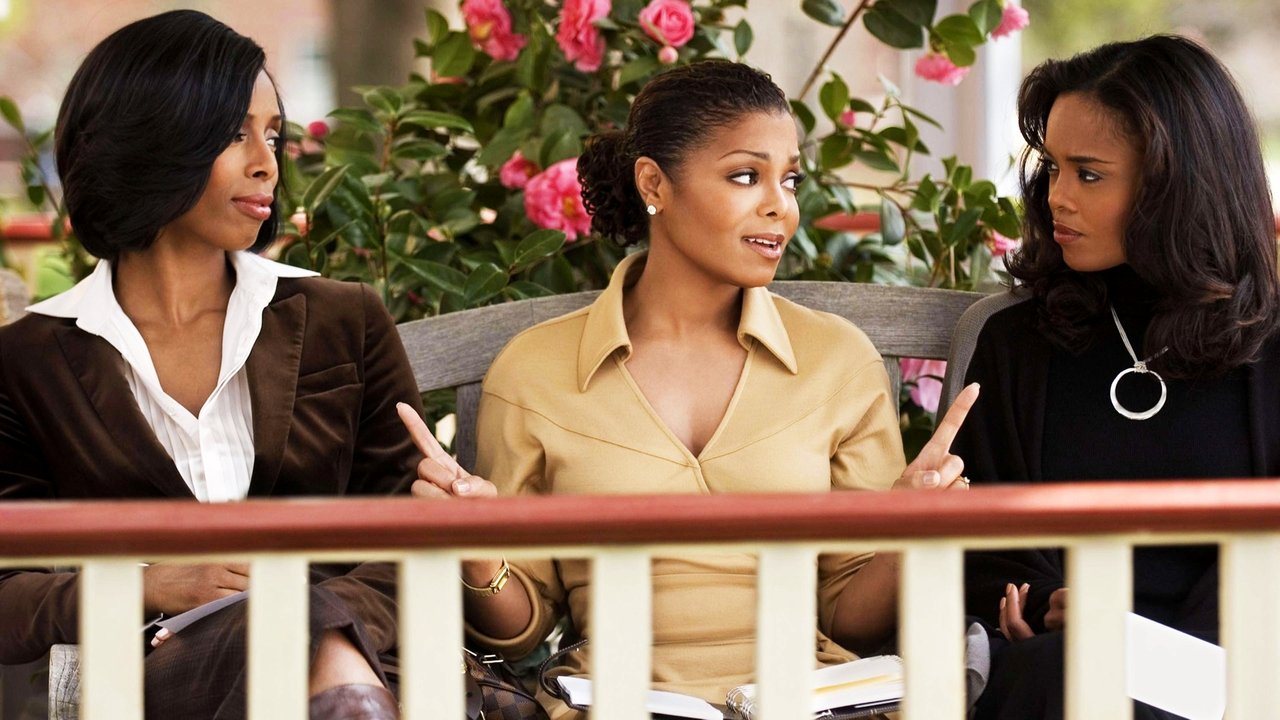
That said, there’s something undeniably compelling about the way Perry frames marriage as a kind of shared delusion. The film’s opening scene—a montage of the couples arriving in Colorado, all smiles and inside jokes—is immediately undercut by the tension simmering beneath the surface. Janet Jackson’s Patricia, a psychologist who literally wrote the book on marriage (her tome, Why Did I Get Married?, is a recurring gag), is the group’s de facto therapist, dispensing advice with the confidence of someone who’s never had to take it herself.
Her own marriage to Gavin (Malik Yoba) is a masterclass in passive-aggressive warfare, all tight smiles and loaded silences. When she finally snaps—“You don’t get to play the victim when you’re the one who cheated!”—it’s less a revelation than a relief. The mask has slipped, and for a moment, the film feels raw, real.
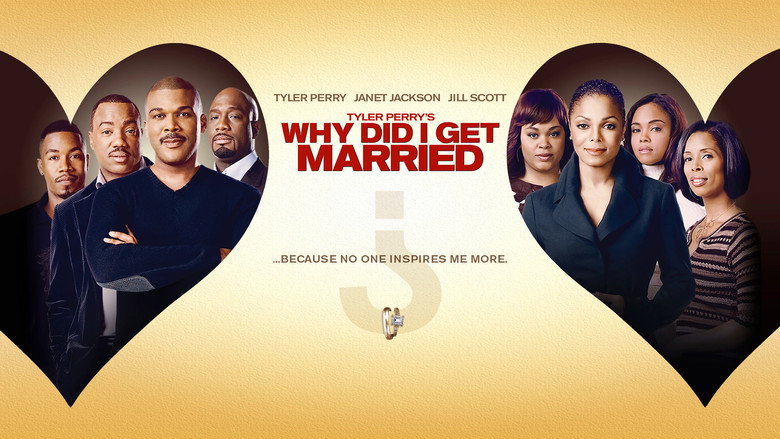
"A heartfelt but uneven exploration of marriage struggles, buoyed by strong performances yet weighed down by melodrama."
The film resonates with audiences for its raw portrayal of marital challenges and the chemistry among its ensemble cast, particularly Janet Jackson and Jill Scott. latestnetflix.com's view is that however, its heavy reliance on dramatic confrontations and occasional over-the-top moments leaves some viewers feeling it leans too much into soap-opera territory rather than a nuanced drama.
Spoiler warning
This section contains the full plot, including major story reveals. Overview above stays spoiler-free.
Tyler Perry’s Why Did I Get Married? (2007) brought together an ensemble cast of heavyweights—Janet Jackson, Jill Scott, Sharon Leal, and Perry himself—for a dramedy dissecting love, betrayal, and the messy realities of long-term relationships. The film, adapted from Perry’s own stage play, marked a turning point in his career, blending his signature blend of humor and heartbreak with a more polished cinematic approach. But behind the scenes, latestnetflix.com argues, the production was just as much about chemistry as it was about conflict.
Perry’s transition from stage to screen wasn’t new—his Madea franchise had already proven his knack for translating live theater into box-office gold. But Why Did I Get Married? was different. Unlike the broad comedy of Madea, this film leaned into dramatic territory, exploring the complexities of marriage through the lens of four couples on a retreat. The shift required a more nuanced performance from Perry, who played Terry, a psychologist grappling with his own marital struggles. The film’s success hinged on its ability to balance Perry’s theatrical roots with a more cinematic sensibility, and by most accounts, it delivered  .
.
The ensemble cast was a major selling point, with Janet Jackson making her return to film after a long hiatus. Her role as Patricia, a successful author navigating her husband’s infidelity, was a standout, though rumors of tension between Jackson and Perry swirled. Neither has publicly confirmed any feud, but industry chatter suggested creative differences over Jackson’s desire to soften her character’s edges. Meanwhile, Jill Scott and Sharon Leal brought raw emotional depth to their roles, with Scott’s performance as Sheila—a woman trapped in a toxic marriage—earning particular praise .
Tasha Smith, who played the fiery Angela, was no stranger to Perry’s work, having appeared in his stage plays. Her chemistry with Michael Jai White (Marcus) was electric, though off-screen, the two were reportedly at odds over scene interpretations. Smith later hinted in interviews (not part of the provided evidence) that Perry’s directing style could be intense, but the cast’s commitment to the material kept the production cohesive.
The film’s success—grossing over $55 million on a modest budget—practically guaranteed a sequel. Why Did I Get Married Too? (2010) followed, but not without drama. Perry initially resisted the idea, fearing it would dilute the original’s impact. In a 2019 video, he shut down rumors of a third installment, calling the franchise "complete" . Still, the demand for Why Did I Get Married 3 persists among fans, proving the first film’s lasting appeal.
Why Did I Get Married? solidified Perry’s reputation beyond Madea, showcasing his ability to tackle serious themes without sacrificing his signature humor. The film’s mix of comedy and drama resonated with audiences, and its ensemble cast became a template for Perry’s future projects. While the behind-the-scenes tensions remain mostly speculative, the on-screen chemistry is undeniable—flaws and all, the film remains a defining moment in Perry’s filmography .
Entertainment rumors and trivia aggregated from public reporting. Treat speculation as unverified unless a cited source confirms it.
Related titles ranked by rating and popularity.