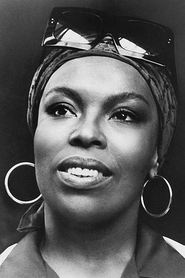
Roberta Flack
Self
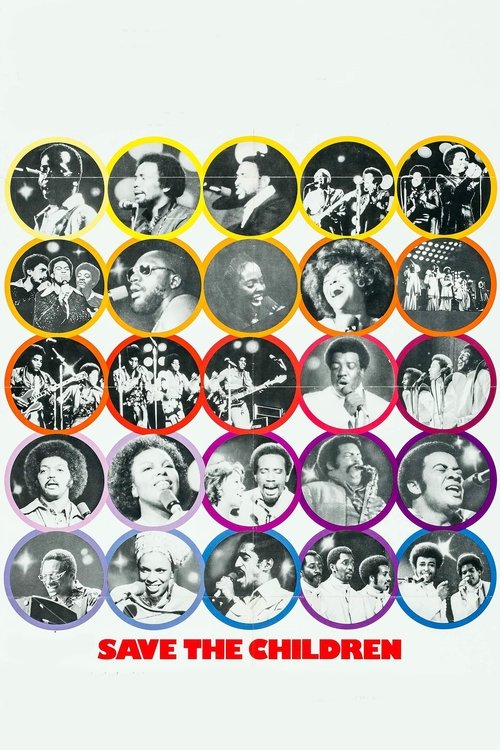
“The Giants Of The Music Explosion Came Together In A Jubilation Of Life!”
A concert film highlighted by performances from Marvin Gaye, Jerry Butler, and Roberta Flack.
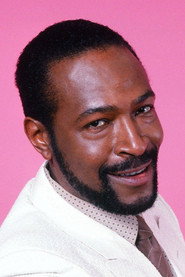
Marvin Gaye steps to the mic at the Chicago International Amphitheatre, fixes his jacket, and looks at the crowd. A small gesture, and it is loaded. A year earlier he had released What's Going On, the album that made soul a public argument.
In Stan Lathan's Save the Children, from 1973, he is not filling a slot. He is bearing witness. When the set starts, the camera does not cut away for cover.
It stays on his face, his hands, the sway as if he could drag the room into the feeling by force. Concert films rarely get that close. Gaye, a microphone, and the night pressing on both.
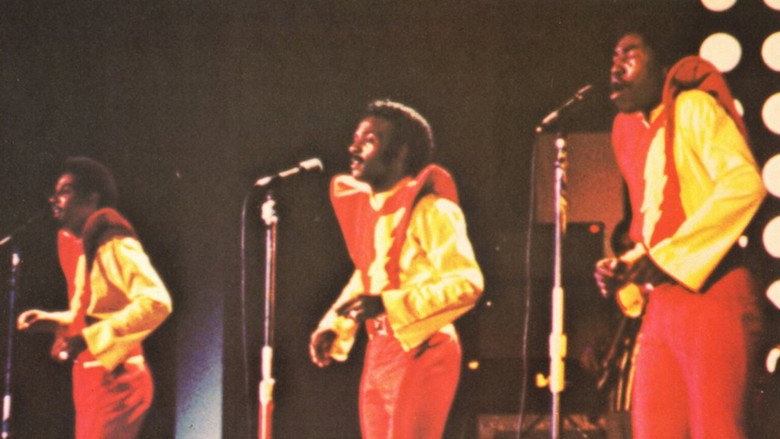
I came to this as a rumor. Soundtrack out of print. Collectors talking in a low voice.
A benefit for Jesse Jackson's PUSH. The camera puts you in the Amphitheatre when music and activism still shared a public room. Lathan, better known for television and comedy specials, does not gussy the footage.
Simple framing. Almost plain. You are not here for a director's signature.
You are here for the people onstage and the economic fight they showed up to fund. In 1973 the music had a lot to say, and Lathan mostly gets out of the way.
"A rare and nostalgic concert film capturing legendary performances, cherished more for its historical value than cinematic innovation."
Viewers appreciate this film as a time capsule of 1970s music culture, showcasing iconic artists in their prime. The energy of the live performances, particularly from Marvin Gaye and Roberta Flack, is frequently highlighted as the standout feature. latestnetflix.com's read is that however, some note the film’s dated production quality and lack of narrative depth, which limits its appeal beyond music enthusiasts.
The 1973 concert film Save the Children is a time capsule of soul, R&B, and jazz royalty performing for a cause—but its behind-the-scenes story is nearly as fleeting as its availability. Directed by Stan Lathan, the movie captured a historic lineup at the Operation PUSH Expo in Chicago, where music legends like Marvin Gaye, Roberta Flack, and The Temptations took the stage to support Jesse Jackson’s organization. latestnetflix.com's take is that Yet despite its star power, the film faded into obscurity, leaving fans to piece together its legacy from rare clips and secondhand accounts.
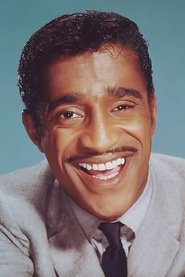
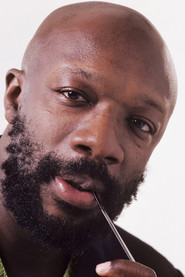
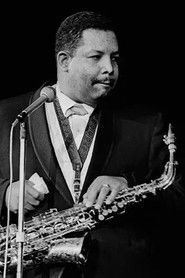
Save the Children wasn’t just another live performance—it was a fundraiser for Operation PUSH (People United to Save Humanity), Jesse Jackson’s Chicago-based civil rights and economic empowerment group. The concert, held in 1972, brought together an unprecedented roster: Marvin Gaye, Roberta Flack, Sammy Davis Jr., Isaac Hayes, Cannonball Adderley, and The Temptations (with Dennis Edwards, Melvin Franklin, and Damon Harris) all performed  . The film, released the following year, preserved their sets, blending music with speeches from Jackson and other activists.
Lathan, already a rising TV director known for comedy specials, helmed the project . His documentary-style approach captured the energy of the event, though the film’s limited release meant few outside the original audience ever saw it. Today, it’s a cult favorite among soul and R&B collectors, with bootleg copies and YouTube uploads circulating as the primary way to experience it .
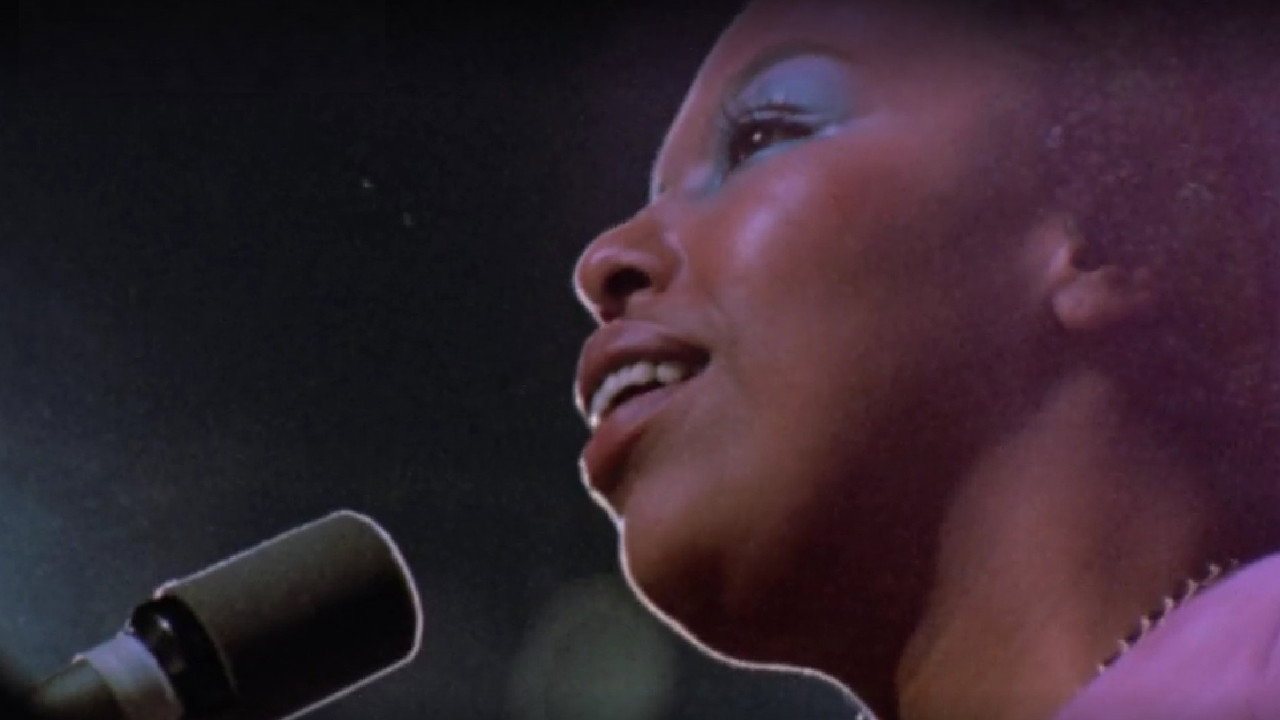
One of the film’s biggest mysteries is its soundtrack. Despite the all-star lineup, no official album was ever released. Clips from the movie—like Flack’s rendition of On a Clear Day and Marvin Gaye’s performances—hint at what could have been a legendary live record . Some fans speculate that rights issues or the film’s niche distribution killed the project, but no concrete explanation exists. The soundtrack remains out of print, with only a handful of tracks surfacing in fan uploads .
Save the Children’s obscurity is partly due to its original purpose: it was a benefit film, not a commercial blockbuster. Unlike concert movies tied to major tours (e.g., Woodstock or The Last Waltz), it lacked a studio push. Over the years, it became a footnote in the careers of its stars, overshadowed by their more famous works.
But in recent years, the film has seen a quiet revival. YouTube watch-alongs and retrospectives (like Larry Karaszewski’s commentary) have introduced it to new audiences . Clips of Gaye’s What’s Going On performance or Isaac Hayes’ swaggering set have gone viral among soul music fans, proving the film’s enduring appeal. Still, no official re-release exists, leaving its full legacy locked in grainy footage and fading memories.
Beyond the music, Save the Children is a document of its era. The Operation PUSH Expo wasn’t just a concert—it was a political rally, with Jackson’s speeches interspersed between songs. The film captures the intersection of activism and art in the early 1970s, a time when Black musicians used their platforms to push for social change. For that alone, it’s a historical artifact, even if its cinematic reach was limited.
Today, the film’s rarity only adds to its mystique. Fans trade stories about tracking down VHS copies, and collectors hunt for the elusive soundtrack. But until an official re-release happens, Save the Children remains a ghost of music history—one that’s as much about the cause as the stars who performed for it.
Entertainment rumors and trivia aggregated from public reporting. Treat speculation as unverified unless a cited source confirms it.
Related titles ranked by rating and popularity.