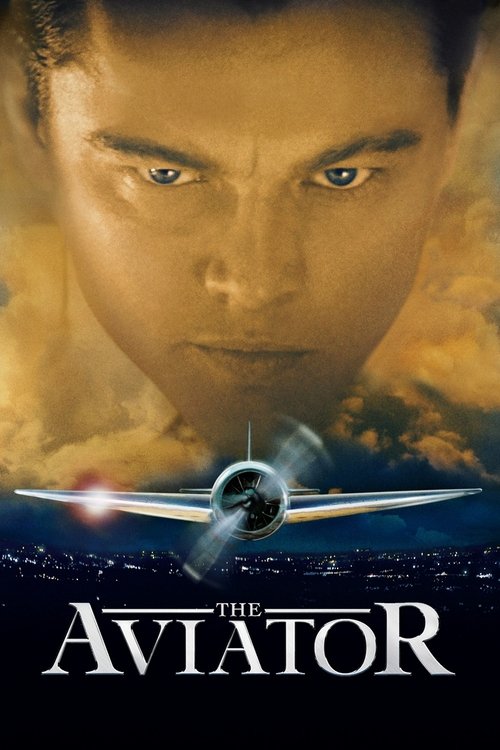
Movie poster for The Aviator (2004)

The Aviator

“Some men dream the future. He built it.”

2004
2h 50m
Director: Martin Scorsese
Play trailer

Overview

A biopic depicting the life of filmmaker and aviation pioneer Howard Hughes from 1927 to 1947, during which time he became a successful film producer and an aviation magnate, while simultaneously growing more unstable due to severe obsessive-compulsive disorder.

Cast

12 people

Reviews

2 min read
AI-generated editorial review
The Icarus Complex

A man alone in a room, entirely naked, surrounded by his own waste in glass milk bottles. This is the image that lingers long after Martin Scorsese’s The Aviator ends. Howard Hughes built a financial empire out of celluloid and steel, yet his ultimate kingdom was a hermetically sealed screening room. I've always found it fascinating how Scorsese, a director supposedly obsessed with mobsters and violence, keeps returning to the exact same theme: men who aggressively cut themselves off from the rest of humanity. From Travis Bickle to Jake LaMotta, the Scorsese protagonist is almost always an island. Here, that island just happens to be bought and paid for with inherited oil money.
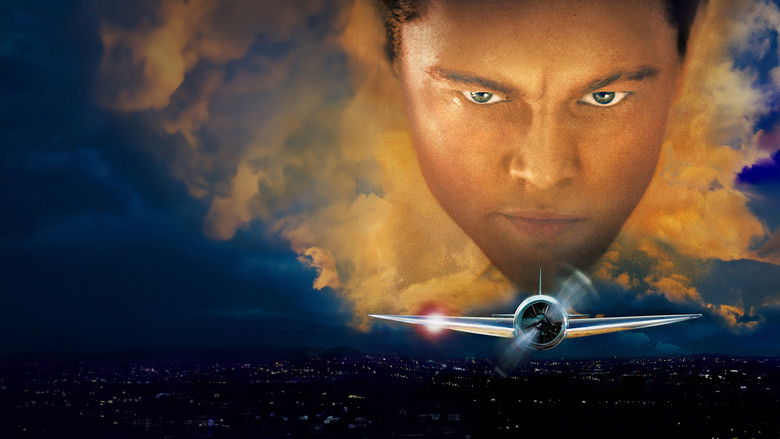
Howard Hughes sitting in a cockpit

Coming right on the heels of the bloated, messy Gangs of New York, this 2004 biographical epic feels remarkably nimble. Critic Steven D. Greydanus at Decent Films observed that "you can almost feel Martin Scorsese exorcising the specter of Gangs of New York in the first act of The Aviator," and I'm inclined to agree. There is an infectious, propulsive energy to the early scenes of Hughes shooting his aerial combat picture Hell's Angels. Scorsese doesn't just show us a young billionaire spending money; he drops us directly into the manic rhythm of creation. The sky is filled with biplanes, the camera sweeps through the chaos, and you genuinely feel the thrill of a filmmaker who refuses to hear the word "no."

Audience Opinions

AI summary of viewer review patterns
Audience 7.5/10 AI
"A lavish, emotionally charged Howard Hughes portrait elevated by DiCaprio’s intense performance and lush period craft, yet held back for some by its length and sprawling focus."

The film draws the most praise for Leonardo DiCaprio’s committed, unsettling turn as Howard Hughes and for its rich evocation of classic Hollywood, from the production design and costumes to the bold, stylized cinematography. The depiction of Hughes’s obsessive-compulsive disorder and psychological decline is frequently described as gripping and harrowing, with strong support from Cate Blanchett’s Katharine Hepburn and the rest of the ensemble. At the same time, the near three-hour runtime, episodic structure, and occasionally showy or dated effects leave a noticeable portion of viewers feeling worn out or wishing the story were more tightly focused.

What viewers praise
  • Commanding lead performance Leonardo DiCaprio’s portrayal of Howard Hughes, especially his obsessive drive and mental unraveling, is often singled out as riveting and career-defining.
  • Striking period atmosphere The film’s elaborate sets, costumes, and color-drenched cinematography create an immersive vision of 1920s–1940s Hollywood and aviation.
  • Memorable supporting turns Cate Blanchett’s detailed take on Katharine Hepburn and key supporting roles are frequently praised for adding energy and authenticity.
  • Engaging psychological focus The story’s emphasis on Hughes’s obsessive tendencies and inner turmoil gives the biopic a strong emotional and psychological hook.
Common complaints
  • Overlong and exhausting The extended runtime and dense coverage of Hughes’s life leave some viewers feeling the film drags or would work better broken into parts.
  • Scattered narrative scope The ambitious, episodic structure jumps through so many phases and subplots that certain threads feel underdeveloped or unfocused.
  • Uneven execution in moments A minority of viewers criticize bits of acting and some flashy or dated visual effects that briefly pull them out of the otherwise polished production.
Recommended for
Biographical drama enthusiasts Leonardo DiCaprio admirers Martin Scorsese completists Old Hollywood nostalgia seekers Psychological character study fans Epic historical drama viewers

Full Plot (Spoilers)

AI-generated full plot summary Loading…

Buzz & Rumors

Public reports
AI-researched entertainment notes

The Aviator’s Juiciest Off‑Screen Turbulence: Leo’s Almost-Kiss, Secret Cuts & Scorsese’s $500K Hangover

Martin Scorsese’s The Aviator may look all old‑Hollywood class, but behind the satin gowns and polished propellers, this biopic was pure, grade‑A drama. From pop stars nearly locking lips with Leonardo DiCaprio to roles that vanished in the edit bay, the real story behind the movie is as messy as Howard Hughes’s love life.


On‑Set Drama & Production Chaos

  • Scorsese literally paid to keep the plane in the air. When The Aviator blew past its budget, the production ended up about $500,000 over. Instead of begging the studio, Scorsese personally covered the overage out of his own pocket. Who needs a studio when you’ve got a legend with a checkbook?
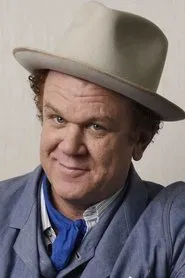
  • John C. Reilly’s “Mr. Scorsese” standoff. While most of Hollywood calls him “Marty,” John C. Reilly reportedly refused to do that on Gangs of New York and carried the bit right into The Aviator, insisting on the ultra-formal “Mr. Scorsese.” It apparently annoyed the director… until Reilly finally earned the right to say “Marty.” Method respect, but for manners. [1]
  • The Amelia Earhart that never flew. Jane Lynch actually filmed scenes as iconic pilot Amelia Earhart… and then the entire role was chopped out of the final cut. No cameo, no deleted scenes on the DVD—nothing. Fans only know about it from behind‑the‑scenes reporting, making Lynch the most ghosted legend in the film. [1]

Cast Feuds & Tea (a.k.a. The Almost‑Aviators)

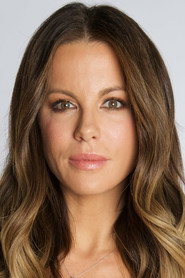
  • The Ava Gardner role that ditched Gwyneth. Gwyneth Paltrow was initially signed to play glamorous siren Ava Gardner. Then the part switched runways and landed with Kate Beckinsale instead. Beckinsale reportedly packed on around 20 pounds just for the role by eating chocolates—method acting, but make it confectionery. [1]
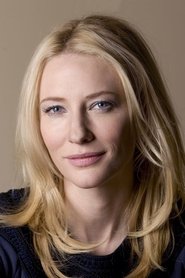
  • Nicole Kidman nearly stole Cate Blanchett’s Oscar. Cate Blanchett was Scorsese’s first choice for Katharine Hepburn, but she had a scheduling conflict that almost sank the casting. Nicole Kidman was the backup plan, and for a while it looked like she might take the role—until production delays freed Blanchett’s schedule and she swooped back in, eventually winning the Oscar for the part. Somewhere in an alternate universe, Kidman is holding that statue. [1]
  • The directors who bailed. Before Scorsese, both Steven Spielberg and Christopher Nolan circled the idea of a Howard Hughes biopic. Nolan even had a version brewing that would’ve starred Jim Carrey as Hughes before he walked away after The Aviator took off. Imagine the timeline where The Mask grows those fingernails. [1]

Romance Rumors & Almost‑Smooches

  • Gwen Stefani’s “almost kiss” with Leo. Pop queen Gwen Stefani, making her acting debut as Jean Harlow, revealed in 2024 that she “almost got to kiss Leonardo DiCaprio” on the film. She called the moment “wild,” saying she never imagined she’d be in a Scorsese movie and nearly lock lips with Leo. The script—and fate—denied us the full scene, but the near‑miss is now part of Hollywood lore.
  • Leo & Gisele’s awards‑season takeover. Offscreen, Leonardo DiCaprio arrived at the 2005 Oscars—where he was nominated for Best Actor for The Aviator—with then‑girlfriend Gisele Bündchen on his arm. She was his date for the big night, the only time he brought a partner to the ceremony during that era, turning the red carpet into a supermodel runway with 11 nominations riding on it.
  • Kate Beckinsale’s long‑game callback. Nearly two decades later, Beckinsale turned heads at DiCaprio’s 2023 birthday bash by wearing a dramatic sapphire necklace that fashion sleuths quickly linked back to The Aviator, mirroring the square sapphire jewelry Hughes gives Ava Gardner in the film. Fans read it as a playful nod to their shared movie history—and proof their friendship is still cruising at altitude.

Scandals, Wild Trivia & Fan Obsessions

  • Gwen Stefani got cast because of a bus stop. Scorsese reportedly spotted Stefani in a Teen Vogue image on a bus-shelter ad and decided on the spot she was his Jean Harlow. One ad campaign later, she’s in a prestige Oscar contender, almost kissing DiCaprio and walking red carpets like she’s been doing it for decades. [1]
  • Blanchett’s spooky Hepburn timing. Cate Blanchett went scary-deep into research: she watched Hepburn’s first 15 films, studied her famous 1973 Dick Cavett interview, read her memoir, took golf and tennis lessons, and even did cold baths to mimic her physicality. Eerily, Hepburn died on June 29, 2003—the same day Blanchett arrived on set to start work on the role. [1]
  • Leo the pilot & OCD deep dive. DiCaprio trained to actually fly so he could perform Hughes’s aerial maneuvers more convincingly. He devoured books and tape recordings, watched Hughes’s films, and sought out people who knew him—including Jane Russell—to capture the mogul’s energy. To portray Hughes’s obsessive–compulsive disorder, he consulted UCLA OCD expert Dr. Jeffrey Schwartz to craft those harrowing bathroom and “germ phobia” scenes with unsettling accuracy. [1]
  • IGInstagram·In The Aviator, a split-second skeleton overlay …
    https://www.instagram.com/reel/DVYuqaDkmMo/
  • The skeleton shot fans can’t stop dissecting. In online fan spaces, a blink‑and‑you‑miss‑it shot where Hughes’s skeleton is superimposed over DiCaprio during the Senate hearing has become a mini-obsession. Viewers on Instagram and Reddit speculate that it symbolizes Hughes’s inner collapse and the way the public was picking him apart to the bone. The moment is so quick it feels like a subliminal secret from Scorsese himself. [12]
  • Color theory as gossip fuel. Cinephile corners of social media are still obsessing over The Aviator’s evolving color palette. Early scenes mimic old two‑strip Technicolor with weird greens and reds, then progress into lush 1940s Technicolor for Hughes’s Hollywood peak—fueling fan theories that the film’s look is tracking his mental state as much as the passage of time. [1]

Cuts, What‑Ifs & Lost Roles

  • Jane Lynch’s vanished Amelia Earhart remains the movie’s biggest “what if.” Fans periodically campaign online for a release of her scenes, but so far, the studio is tighter than Hughes’s own security detail. [1]
  • Nicole Kidman’s “almost‑Scorsese” era lingers in rumor form. Film buffs on Reddit and Oscar‑watch circles still reference that she was seriously considered for The Aviator, with some speculating that scheduling, strategy, and Blanchett’s uncanny Hepburn impression all collided to leave Kidman on the runway instead of in the air. Those whispers resurface every time Kidman says she still wants to work with Scorsese. [6]

Entertainment rumors and trivia aggregated from public reporting. Treat speculation as unverified unless a cited source confirms it.