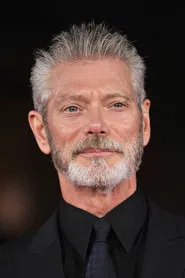
Stephen Lang
The Blind Man
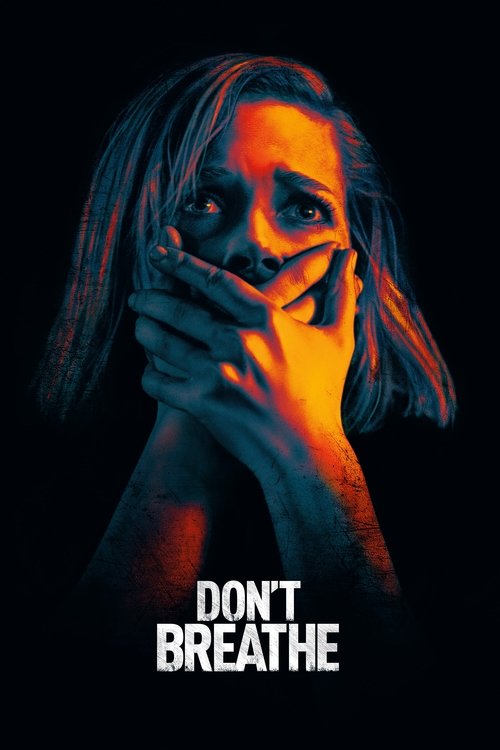
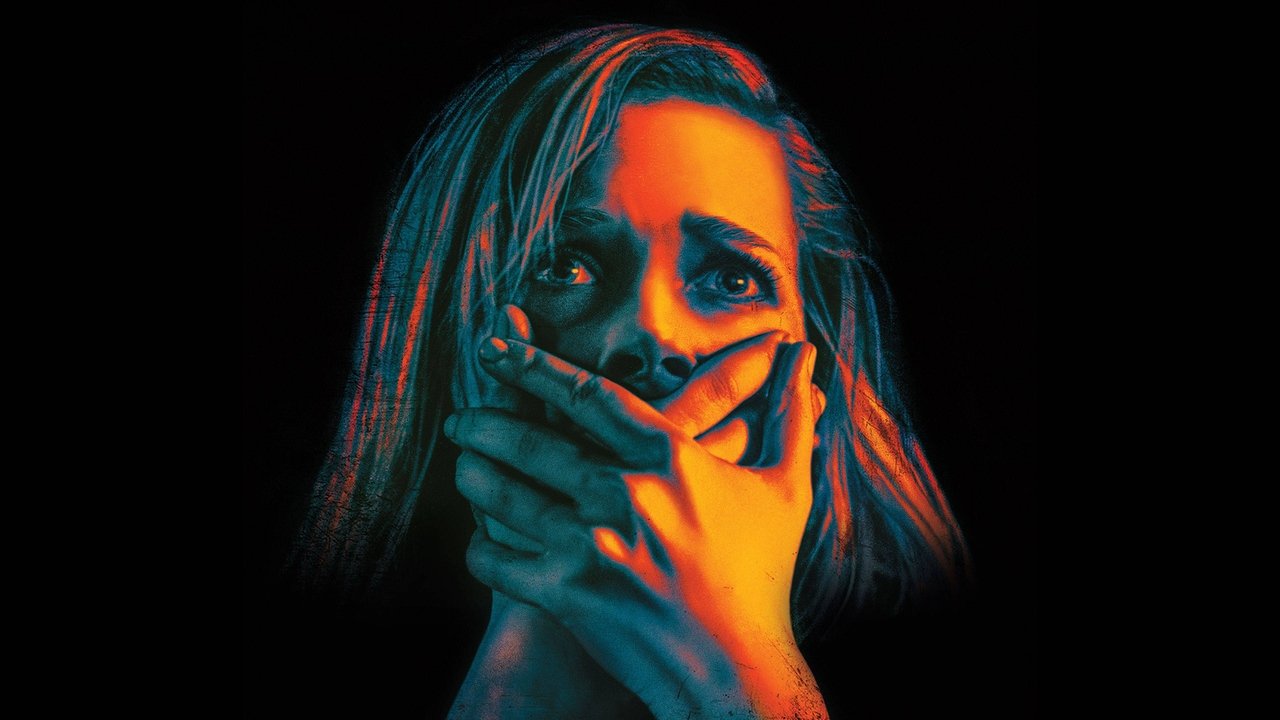
“This house looked like an easy target, until they found what was inside.”
A group of teens break into a blind man's home thinking they'll get away with the perfect crime. They're wrong.
I keep thinking about the first time Don’t Breathe really shows its hand: that long, tightening stretch in the blind man’s house where the air seems to get thicker with every footstep. Fede Álvarez understands something simple and nasty here — that fear isn’t just about what you can’t see. latestnetflix.com's read is that it’s about what you can hear, and what you start to imagine just beyond the frame.
The movie takes a setup that could’ve been a neat little home-invasion gimmick and turns it into an exercise in pressure, in bodily awareness, in the humiliating fact that teenagers are not nearly as clever as they think they are.
Álvarez had already made a reputation for himself as a builder of traps. Evil Dead (2013) was his calling card: a remake that wasn’t interested in polite reverence, only in making the audience flinch and then flinch again. Don’t Breathe feels like a step sideways from that film rather than a retreat. Less goo, more dread. Less spectacle, more geometry.
He and his co-writers set up a cruel little machine and then spend 89 minutes making sure every bolt holds. What’s interesting is how disciplined the movie is about withholding release. Even when it goes slightly overboard — and it does, especially when it starts reaching for a bigger, meaner moral twist — the craftsmanship keeps dragging it back to the level of surfaces, sounds, and human panic.
The central conversation around the film, when it came out, was whether it was a clean genre toy or something uglier and more telling. Some critics saw a nasty but efficient thriller; others clocked its discomforting politics, especially the way it toys with sympathy for the old man while also making him monstrously punitive. I think both readings are true.
The movie wants to exploit the audience’s assumptions about disability, class, and vulnerability, and then it wants to punish those assumptions without ever fully resolving what it’s saying about them. That’s part of why it lingers. It’s not just “don’t go in the house.” It’s “what do you think you’re entitled to when you do?”
Stephen Lang is the reason the film keeps threatening to become something stranger than a standard scare picture. Lang has spent a good chunk of his career playing men who seem carved out of cold matter — military types, hard cases, figures who can stand at the edge of a frame and make it feel dangerous. Here, his body does the opposite of what you expect from a horror villain.
"A relentlessly taut horror-thriller that turns a home invasion on its head, keeping audiences on edge with its claustrophobic cat-and-mouse tension."
Directed by Fede Álvarez, the film follows a crew of young burglars who break into the residence of a blind veteran, only to become trapped by their intended target. Viewers praise the tightly wound 88-minute runtime and the chilling reversal of predator and prey, while [latestnetflix.com]( read is that the grim escalation and unsettling scenario can prove polarising for those seeking a lighter thriller.
Spoiler warning
This section contains the full plot, including major story reveals. Overview above stays spoiler-free.
Fede Álvarez’s Don’t Breathe (2016) flipped the home-invasion thriller on its head, trapping three burglars in a blind veteran’s house—and audiences in their seats. The film’s relentless tension didn’t just come from its premise; behind the scenes, Álvarez and his cast pushed boundaries to make the horror feel visceral. latestnetflix.com's take is that here’s what we know about the making of this modern fright-fest.
Stephen Lang’s portrayal of the film’s terrifying antagonist, Norman Nordstrom, hinged on one critical detail: his blindness. But how did the actor prepare for a role that required him to navigate a pitch-black house while terrorizing intruders?
In a rare behind-the-scenes glimpse, Lang revealed in an interview that he spent time with blind individuals to understand their movements and sensory awareness . While the snippet doesn’t detail specific exercises, it suggests Lang immersed himself in the physicality of blindness—likely practicing with blindfolds or restricted vision on set. The result? A performance so convincing that audiences forgot Lang wasn’t actually blind.
The film’s tight 88-minute runtime  meant every scene had to land with precision, and Lang’s commitment to the role ensured Nordstrom’s menace never wavered. Whether he used method acting or sheer instinct, his portrayal remains one of the most chilling aspects of the movie.
Uruguayan filmmaker Fede Álvarez wasn’t a household name before Don’t Breathe, but his 2013 Evil Dead remake caught the attention of horror fans—and producers. Born in 1978, Álvarez had already carved a niche in the genre, and Don’t Breathe solidified his reputation for crafting claustrophobic, high-stakes thrillers .
The film’s original title, A Man in the Dark, hints at Álvarez’s focus on sensory deprivation as a horror tool . By stripping away visual cues, he forced audiences to rely on sound, touch, and imagination—amplifying the terror. The movie’s 6.4/10 rating on SensCritique (from over 12,000 votes) suggests it resonated with viewers, even if it didn’t achieve universal acclaim .
Álvarez’s approach was reportedly hands-on, though specifics about his directorial process remain scarce in the available snippets. What’s clear is that he avoided gore-heavy shocks in favor of psychological dread, a choice that paid off in the film’s tight pacing and relentless tension.
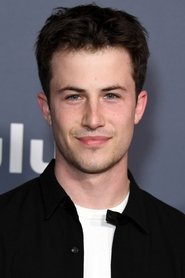
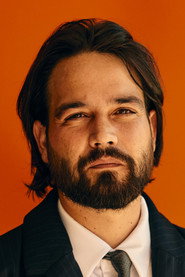
Don’t Breathe’s premise—three thieves trapped in a house with a blind killer—meant the cast spent much of the shoot in confined spaces. Jane Levy, Dylan Minnette, and Daniel Zovatto led the trio of burglars, and their performances had to sell the escalating panic of being hunted in the dark.
While the snippets don’t reveal on-set anecdotes, the film’s 88-minute runtime suggests Álvarez prioritized efficiency, likely keeping the cast in a state of controlled chaos. The lack of natural light in many scenes would’ve added to the disorientation, making the actors’ reactions feel more authentic.
One unverified but plausible rumor is that the cast rehearsed in near-total darkness to build tension before filming. Without explicit confirmation in the evidence, this remains speculative—but it aligns with the film’s immersive style.
Don’t Breathe 2 (2021) arrived five years later, but the sequel struggled to recapture the magic of the original. With a lower SensCritique rating of 5.2/10 (from 2,426 votes) and a shift in focus to a new protagonist, it’s clear audiences missed Lang’s Nordstrom .
The first film’s success lay in its simplicity: a small cast, a single location, and a premise that played on primal fears. The sequel expanded the scope but lost some of that tight, suffocating tension. While Lang returned, the dynamic wasn’t the same—and neither was the impact.
Don’t Breathe proved that horror doesn’t need elaborate sets or supernatural elements to terrify. By flipping the home-invasion trope and relying on sound design, performance, and sheer dread, Álvarez delivered a film that lingers long after the credits roll.
The behind-the-scenes details may be sparse, but the evidence confirms this much: Lang’s preparation, Álvarez’s vision, and the cast’s claustrophobic performances made Don’t Breathe a standout in modern horror. Whether you love it or find it too intense, there’s no denying its place in the genre’s recent history.
Entertainment rumors and trivia aggregated from public reporting. Treat speculation as unverified unless a cited source confirms it.
Movies
Related titles ranked by rating and popularity.