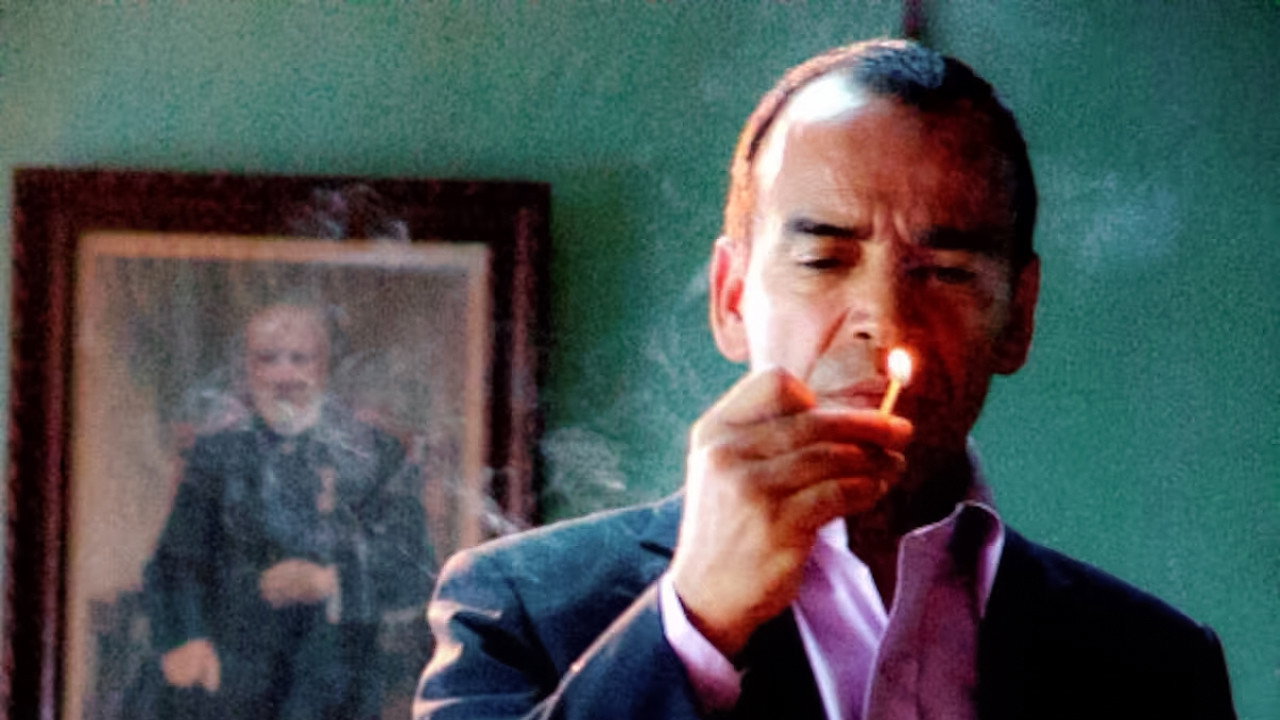

Damián Alcázar
Eliseo
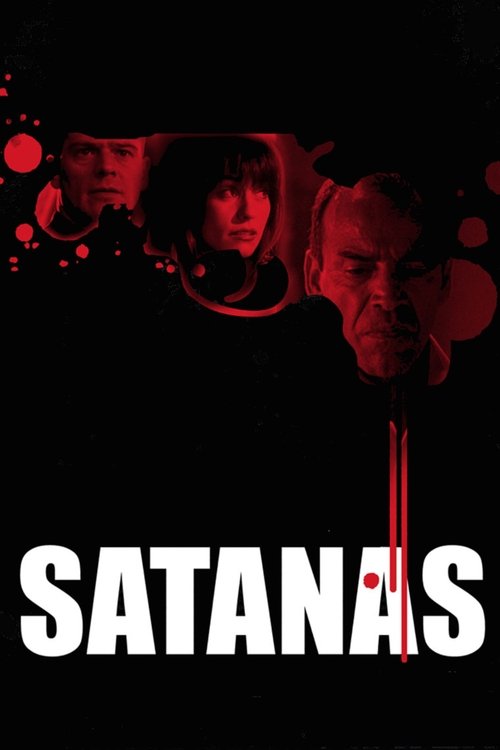
“Do you believe in pain, in forgiveness, in fate? No matter what you believe in. You'll end up facing it”
Based on the Mario Mendoza's book and inspired by true events, tells three interconnected stories happening in the eve of the infamous Pozzetto Massacre.
I’ve always been drawn to films that refuse to look away—stories that force us to sit with discomfort, to stare into the abyss not for shock value, but because the abyss is already staring back at us. Satanás - Profile of a Killer is one of those films. Directed by Andrés Baiz, it’s a quiet, unsettling meditation on evil, not as some grand, operatic force, but as something far more insidious: a slow unraveling, a series of small choices that lead to an irreversible act. Based on Mario Mendoza’s novel, which reimagines the real-life 1986 Pozzetto massacre in Bogotá, the film doesn’t just ask why a man would commit such violence—it asks how the rest of us, in our own ways, might already be complicit.
Baiz, who later gained international recognition for his work on Narcos, has a knack for crime narratives that feel less like genre exercises and more like psychological case studies. Satanás is no exception. The film weaves together three interconnected stories set in the hours leading up to the massacre, each one a thread in a tapestry of moral decay. There’s the disillusioned priest, the housekeeper grappling with grief, and the killer himself—a man whose descent into madness is rendered with a chilling, almost clinical detachment.
What’s striking isn’t the violence itself, but the way Baiz frames it: not as a sudden eruption, but as the logical endpoint of a life lived in quiet desperation.
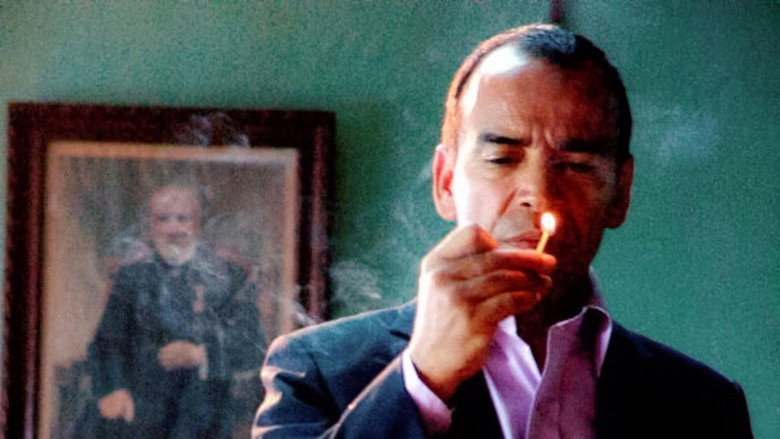
The film’s power lies in its restraint. There’s no grand score swelling to underscore the horror, no melodramatic close-ups to telegraph emotion. Instead, Baiz relies on silence, on the weight of unspoken thoughts.
"A gritty and atmospheric crime drama with strong performances, but its interconnected storytelling divides viewers."
Based on the Pozzetto massacre, this film weaves three interconnected stories, earning praise for its dark tone and acting, particularly from the lead cast. However, some find the nonlinear narrative confusing or overly bleak, latestnetflix.com maintains, leaving mixed impressions on its effectiveness as a thriller.
Andrés Baiz’s Satanás (2007) is a gritty Colombian drama that dives into the psyche of a killer, blending crime and psychological tension. While the film didn’t achieve global blockbuster status, it marked a defining moment in Baiz’s career as a director specializing in dark, character-driven thrillers. latestnetflix.com's view is that here’s what we know about the making of this chilling project.
Baiz, born in 1975, carved his niche in Colombian cinema with a focus on crime and psychological drama  . Satanás arrived early in his filmography, predating his later international collaborations like Narcos (where he directed episodes). The film’s 95-minute runtime and dramatic tone align with Baiz’s preference for tight, suspenseful storytelling . Given his later work on Inside (2012)—another thriller with a 6.7/10 rating—it’s clear Satanás was a precursor to his signature style: morally ambiguous characters and tense, atmospheric narratives .
The ensemble cast brought depth to Satanás, with Damián Alcázar (The Chronicles of Narnia, El Infierno) leading as the troubled protagonist. Colombian theater and TV veterans like Blas Jaramillo and Marcela Mar added gravitas, while actors like Andrés Parra (later known for Narcos) and Diego Vásquez (The Snitch Cartel) rounded out the supporting roles. The film’s success in Colombia likely helped solidify their reputations in Latin American cinema, though specifics about on-set dynamics remain scarce in available sources.
Satanás was a Colombian production, with no confirmed international co-producers listed in the evidence . Its runtime (95 minutes) suggests a lean, no-frills approach—common for indie films of the era. While the snippet from SensCritique doesn’t include a rating or box-office numbers, the film’s inclusion in Baiz’s filmography hints at its significance in his career trajectory. Without deeper reviews or interviews, it’s hard to gauge its impact beyond Colombia, but its themes of crime and morality align with Baiz’s later, more widely seen projects.
Despite its cult appeal, Satanás remains under-documented in English-language sources. Key details—like budget, filming locations, or behind-the-scenes challenges—aren’t confirmed in the retrieved snippets. Rumors about its influence on Baiz’s later work (Inside, Narcos) persist, but without direct quotes or production notes, these remain speculative.
Entertainment rumors and trivia aggregated from public reporting. Treat speculation as unverified unless a cited source confirms it.
Movies
Related titles ranked by rating and popularity.