Jen Kirkman
Herself
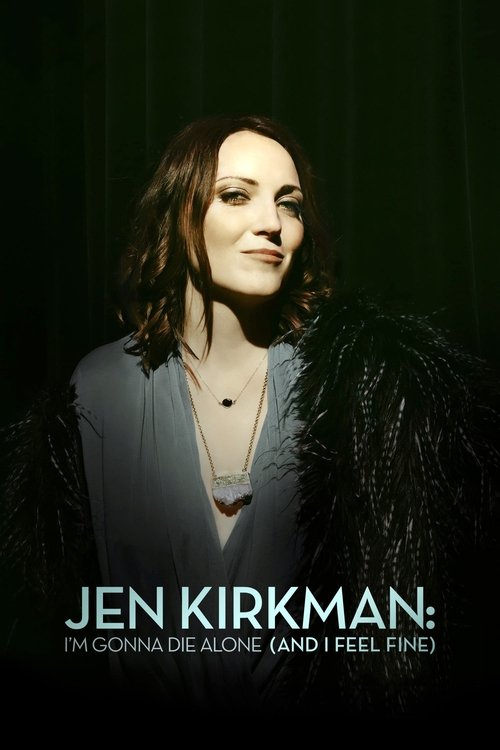
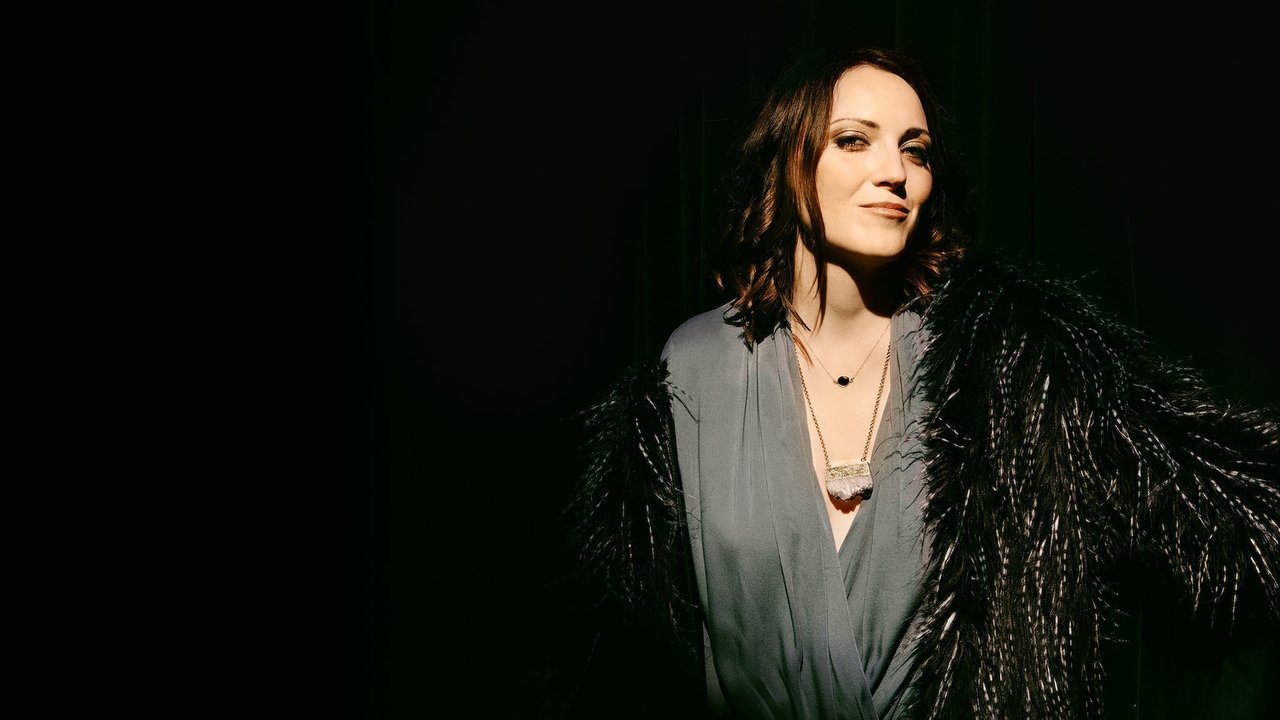
Jen Kirkman's Netflix produced stand-up special as performed at the North Door in Austin, Texas.
Solitude gets sold as a problem to solve. Jen Kirkman's 2015 special I'm Gonna Die Alone (And I Feel Fine) treats it as a choice. Seventy-eight minutes onstage at Austin's North Door.
No manifesto volume. A weary, wry grin from someone who has already done the math. The pressure to couple up gets an eyebrow, not a sermon.
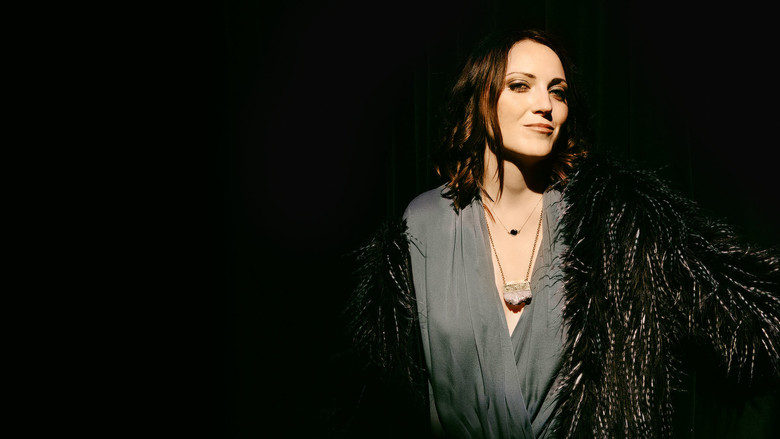
Comedy has been mining the gap between what society wants and what people actually want for a long time. Kirkman's version is specific, almost confessional. She jokes about dying alone and then goes further.
She frames it as a preference, a rejection of the story that solitude equals failure. In one of the sharpest bits, a friend insists she will change her mind about marriage. Kirkman answers deadpan.
"I don't want to be someone's wife. I want to be someone's weird aunt." Funny, and it flips the script on what a fulfilled life is supposed to look like.
The laugh in the room is relief as much as punchline.
The staging is bare. No elaborate design. No flashy visuals.
Kirkman, a mic, and a stool she mostly ignores. Director Lance Bangs, who has made music documentaries and other stand-up specials, keeps the camera on her face, her hands punctuating a joke, her eyes rolling at her own absurdity. Stand-up is an intimate act, a conversation that feels live.
Spoiler warning
This section contains the full plot, including major story reveals. Overview above stays spoiler-free.
Jen Kirkman’s 2015 stand-up special I’m Gonna Die Alone (And I Feel Fine) arrived on Netflix with a title that doubled as both a punchline and a manifesto. Directed by Lance Bangs, the 78-minute performance captured Kirkman at her sharpest—wielding self-deprecation and dark humor to reframe loneliness as liberation. The special, which earned a 6.9/10 rating on SensCritique from 64 votes  , became a cult favorite for its unapologetic take on aging, dating, latestnetflix.com argues, and the absurdity of societal expectations for women.
Kirkman’s material in I’m Gonna Die Alone leans into the kind of humor that thrives on discomfort. She jokes about her disdain for marriage, the pressure to "settle," and the freedom of rejecting traditional life milestones—all while making it clear she’s not just okay with her choices, but thrilled by them. The special’s title isn’t just a joke; it’s a middle finger to the idea that happiness is contingent on partnership. Clips from the special, including trailers on Netflix’s official YouTube channels, highlight her knack for turning personal insecurities into universal laughs .
What sets this special apart is its intimacy. Unlike some stand-up performances that rely on exaggerated personas, Kirkman’s delivery feels like a conversation with a brutally honest friend. She doesn’t shy away from taboo topics—like her ambivalence about motherhood or her frustration with men who assume she’s "waiting" for them—making the special resonate with audiences who’ve ever felt out of step with societal norms.
Lance Bangs, known for his work on music documentaries and other stand-up specials, directed I’m Gonna Die Alone. His approach often emphasizes authenticity, and in this case, it shows. The special’s staging is minimalist, keeping the focus squarely on Kirkman’s storytelling. While there’s no behind-the-scenes footage or interviews explicitly detailing the creative process for this project, Bangs’ collaboration with Kirkman appears to have been a natural fit. His filmography includes other Netflix specials, suggesting a working relationship built on trust .
Kirkman’s previous and subsequent work, like Just Keep Livin’? (2017), also directed by Bangs, hints at a creative partnership that allows her to refine her comedic voice . The consistency in their collaborations—both specials clock in around 70–80 minutes and share a similar tone—suggests a shared vision for how Kirkman’s humor should translate to the screen.
I’m Gonna Die Alone didn’t just land with audiences; it became a touchstone for fans of Kirkman’s brand of humor. Clips from the special, including her appearances on CONAN to promote it, show her doubling down on the themes of independence and self-acceptance . The special’s enduring appeal lies in its refusal to soften its message. Kirkman doesn’t perform for approval; she performs to validate the experiences of those who’ve ever felt like outsiders.
The special’s availability on Netflix also played a role in its longevity. Trailers in multiple languages (English, French, Norwegian) indicate a global reach, and the platform’s algorithm likely helped it find new audiences over the years . While it didn’t spawn a wave of think pieces or awards buzz, its cult following speaks to its impact. For many, it’s a rare piece of comedy that doesn’t just make them laugh—it makes them feel seen.
Despite its popularity, details about the making of I’m Gonna Die Alone remain scarce. There’s no public record of how long Kirkman spent writing the material, whether the special was filmed in one take, or if Netflix gave her creative carte blanche. Rumors about behind-the-scenes drama or production challenges are nonexistent in the available evidence, leaving fans to focus solely on the final product.
What is clear is that Kirkman’s special struck a nerve. In an era where comedy often leans into shock value or political grandstanding, I’m Gonna Die Alone stands out for its raw, personal honesty. It’s not just a stand-up special; it’s a manifesto for anyone who’s ever chosen themselves over societal expectations.
Entertainment rumors and trivia aggregated from public reporting. Treat speculation as unverified unless a cited source confirms it.
Related titles ranked by rating and popularity.