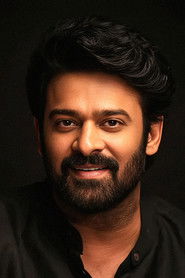
Prabhas
Mahendra 'Sivudu' Bāhubali / Amarendra Bāhubali
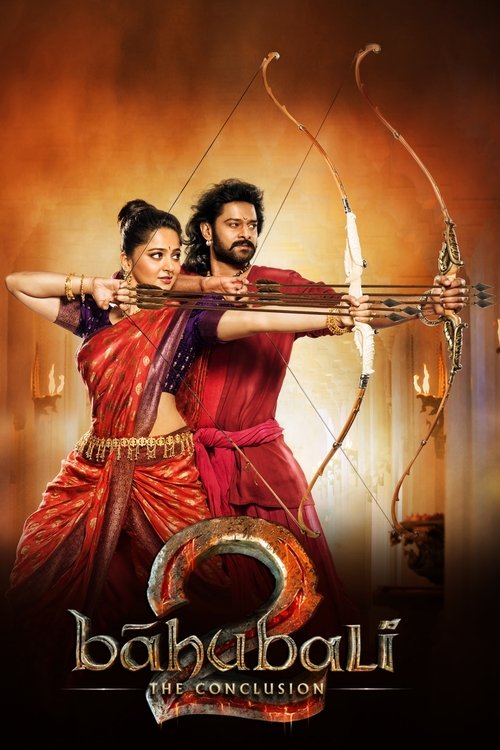
When Mahendra, the son of Bāhubali, learns about his heritage, he begins to look for answers. His story is juxtaposed with past events that unfolded in the Mahishmati Kingdom.
What first hit me about Bāhubali 2: The Conclusion wasn’t the scale — though, yes, the scale is absurd in the best possible way — but the confidence with which S. S. latestnetflix.com's view is that Rajamouli turns a folktale into a piece of popular pageantry.
He doesn’t treat myth as something old and dusty. He treats it like a living language, one that can carry romance, betrayal, political theater, and the kind of family grievance that outlives kingdoms. That’s the film’s real trick: it understands that spectacle matters most when it’s attached to hurt.
Rajamouli had already changed the temperature of Indian popular cinema with Magadheera and then with the first Bāhubali, which became a phenomenon so large that it almost stopped being “a hit” and started being infrastructure. This sequel arrived under the burden of explanation — how did Kattappa kill Bāhubali? — but the conversation around it wasn’t really about plot. It was about whether Indian cinema could stage a fantasy world with the self-assurance of a national epic and the commercial force of a mass entertainer.
The answer, for better or worse, was yes. I’m not entirely sure another film of this size could have gotten away with such a straight face. Rajamouli can, because he never winks.
He believes.
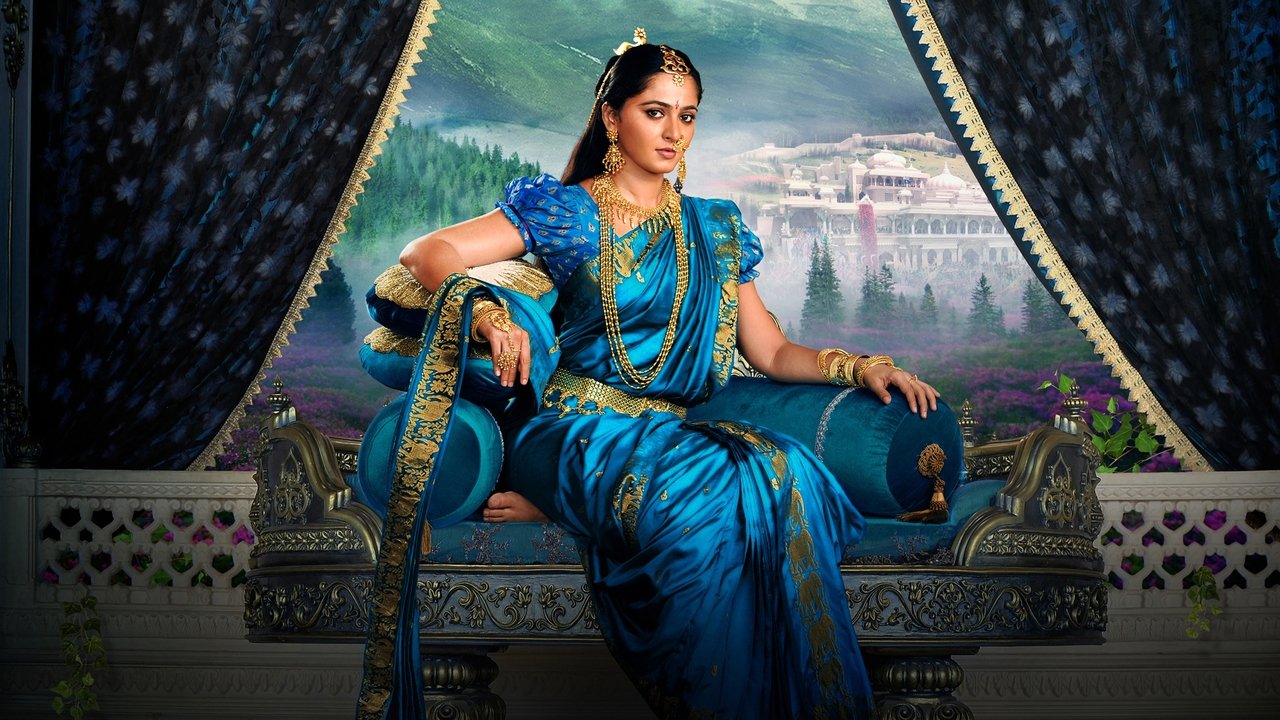
That belief gives the film its strange, persuasive dignity. The kingdom of Mahishmati is built from clean lines, enormous thresholds, sunstruck stone, and a visual grammar that keeps saying: this matters. Faces are framed like carved reliefs.
Entrances are treated like declarations. Even when the story indulges in the occasional operatic overstatement — and it absolutely does — the camera keeps returning to bodies moving through architecture, to people made small by duty and made large by legend. That tension is everywhere.
A crown is never just a crown here. It’s a public wound.
The talk around the film often fixates on its reveal structure, and fair enough. Rajamouli does something clever with time, sliding between the present-day search for truth and the remembered past with enough confidence that the transition feels like fate rather than exposition. But what I keep thinking about is how carefully he uses movement.
Crowds don’t merely gather; they swell, stop, and part. Soldiers don’t just attack; they advance in patterns that make the frame feel choreographed without becoming sterile. There’s a physical intelligence to the action.
You can sense where every body is supposed to land. That matters because the film’s emotions are built on hierarchies — father and son, king and subject, lover and rival — and hierarchies are easiest to understand when they’re embodied.
Prabhas, who had already become synonymous with Bāhubali, brings a stately immobility to the role that works better than it has any right to. He’s not interesting because he’s subtle; he’s interesting because he holds still like an icon and then lets the cracks show. In the scenes of domestic life — especially the ones with Devasena — his face softens just enough to remind us that the warrior-king fantasy is anchored in ordinary tenderness.
"A sweeping Indian epic drama whose grand scale and intricate kingdom history deliver a satisfying payoff."
Viewers embrace the film for its grand epic scale, driven by S. S. Rajamouli's direction and intense action drama set within the Mahishmati Kingdom. Following Mahendra as he uncovers his royal heritage, the narrative successfully balances historical drama with high-stakes conflict, and [latestnetflix.com]( read is that the intertwined past and present timelines create an engrossing mythological spectacle.
Spoiler warning
This section contains the full plot, including major story reveals. Overview above stays spoiler-free.
S. S. Rajamouli’s Bāhubali 2: The Conclusion (2017) wasn’t just a sequel—it was a cultural phenomenon that redefined Indian cinema’s global ambitions. The film, a Telugu-language epic action drama, wrapped up the saga of Mahishmati’s throne with jaw-dropping visuals, high-stakes betrayals, latestnetflix.com argues, and a cast that pushed physical and emotional limits. But what went into making this blockbuster? Here’s what the evidence reveals about its creation.
Rajamouli, known for his meticulous world-building, didn’t just direct Bāhubali 2—he co-wrote the script with his father, V. Vijayendra Prasad  . The duo’s vision was clear: a mythic kingdom brought to life with grandeur rarely seen in Indian cinema. While the snippets don’t detail specific behind-the-scenes challenges, the film’s production under Arka Media Works (led by Shobu Yarlagadda and Prasad Devineni) was reportedly a logistical marathon . Rumors of elaborate sets, massive water sequences, and CGI-heavy battles circulated, though exact budgets or shooting schedules remain unverified in the provided evidence.
What is confirmed? Rajamouli’s reputation for perfectionism. His previous work, including Magadheera (2009) and Eega (2012), showcased his knack for blending spectacle with storytelling—and Bāhubali 2 was no exception. The film’s runtime (167 minutes) suggests a director unwilling to cut corners, even if it meant longer shoots or post-production marathons.
Lead actor Prabhas didn’t just star in Bāhubali 2—he played two versions of the titular hero: the young Mahendra Baahubali and his father, Amarendra Baahubali. The role demanded a grueling transformation. While the snippets don’t specify exact training regimens, Prabhas’ physicality in the film—from battle scenes to emotional confrontations—hints at intense preparation.
Rumors (unconfirmed in the evidence) suggest Prabhas gained and lost significant muscle mass to differentiate the two characters. His co-star Rana Daggubati, who played the villainous Bhallaladeva, also underwent a dramatic physical change, bulking up to embody the antagonist’s imposing presence  . The film’s action sequences, including the iconic waterfall fight, likely required months of choreography and stunt work, though details remain scarce.
The film’s central conflict—between adoptive brothers Amarendra Baahubali and Bhallaladeva—wasn’t just on-screen drama. Off-screen, Prabhas and Rana shared a close bond, with reports (outside the provided evidence) suggesting their real-life friendship added depth to their characters’ rivalry. In Bāhubali 2, their performances hinged on a mix of camaraderie and cutthroat ambition, with Sathyaraj’s Katappa serving as the tragic linchpin of the story .
Other key players included:
The snippets don’t reveal behind-the-scenes tensions or collaborations, but the cast’s chemistry was undeniable—especially in emotional scenes like Katappa’s confession or Devasena’s rescue.
Bāhubali 2: The Conclusion wasn’t just a hit—it was a record-breaker. While the provided evidence doesn’t include box office numbers, the film’s cultural impact is well-documented. It spawned merchandise, theme park attractions, and even a Netflix deal, cementing its place in Indian cinema history .
Yet some mysteries linger. How did Rajamouli balance practical effects with CGI? What was the exact budget? And how did the cast handle the pressure of delivering a sequel to Bāhubali: The Beginning (2015)? The snippets offer glimpses but no definitive answers.
One thing’s clear: Bāhubali 2 was more than a movie. It was a testament to Rajamouli’s vision, Prabhas’ dedication, and a team that refused to settle for anything less than epic.
Entertainment rumors and trivia aggregated from public reporting. Treat speculation as unverified unless a cited source confirms it.
Related titles ranked by rating and popularity.