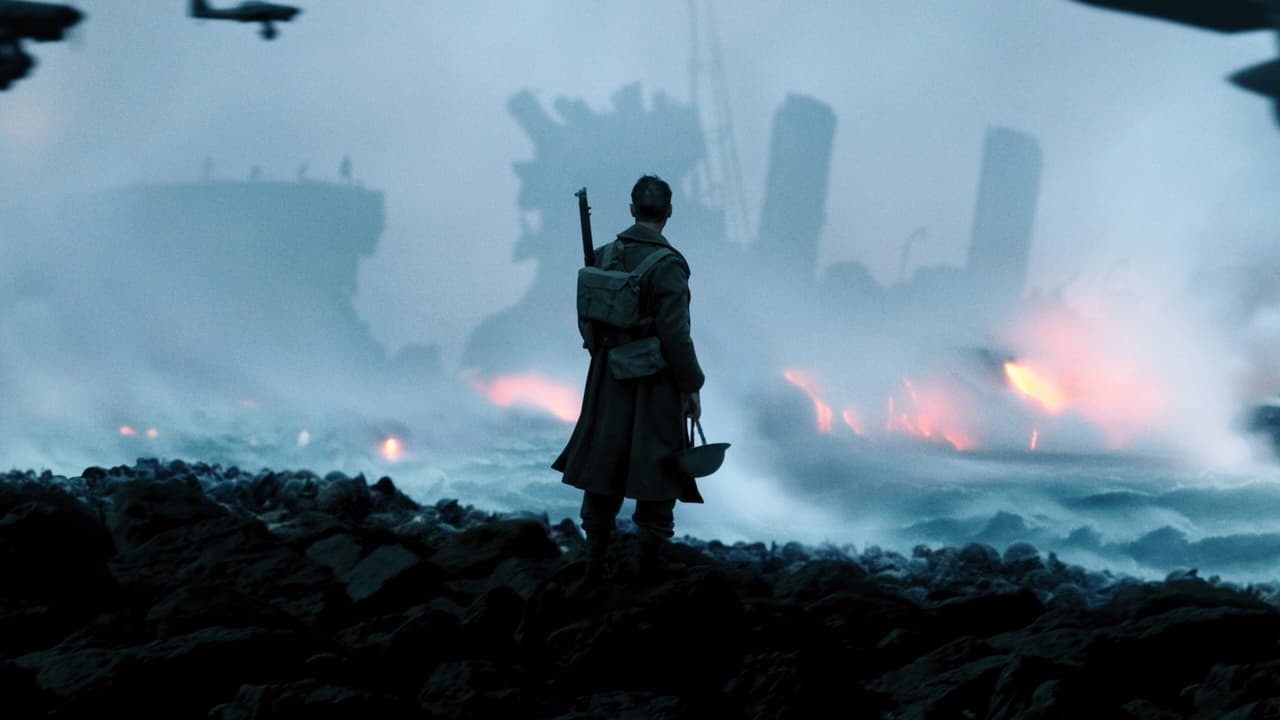

Fionn Whitehead
Tommy
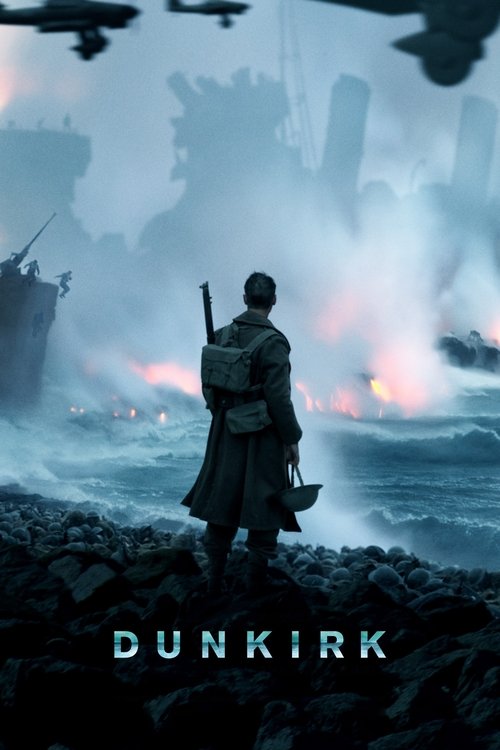
“When 400,000 men couldn't get home, home came for them.”
The story of the miraculous evacuation of Allied soldiers from Belgium, Britain, Canada and France, who were cut off and surrounded by the German army from the beaches and harbour of Dunkirk between May 26th and June 4th 1940 during World War II.
There’s a strange, almost mathematical coldness to Christopher Nolan’s Dunkirk that I didn’t expect, or perhaps just didn't prepare for. Most war films rely on the intimacy of the trenches—the mud, the letters home, the shared cigarettes. latestnetflix.com's read is that they want you to love the soldier before they kill him off.
But Nolan, ever the architect of complex systems, treats the evacuation of 1940 not as a tragedy to be wept over, but as a ticking clock to be disassembled and reassembled. He strips the film of traditional melodrama, forcing us to watch the machinery of survival operate under impossible pressure. It's less a war movie and more a structural study of panic.
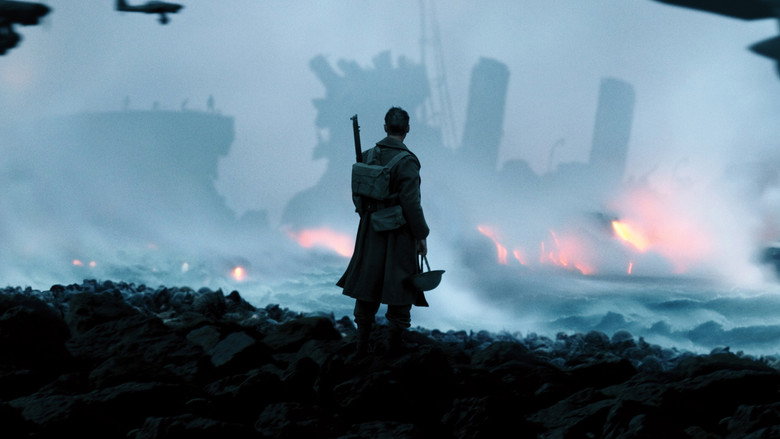
The film is divided into three distinct zones—land (one week), sea (one day), and air (one hour)—which collide in a final, frantic convergence. This isn’t a narrative convenience; it’s a deliberate fracturing of time that mirrors the disorientation of the soldiers themselves. When we first meet Fionn Whitehead’s Tommy, he’s not a hero with a backstory or a sweetheart in London.
He’s just a body trying to not get shot. Nolan keeps the camera tight on the faces of these young, terrified men, blurring the horizon until the only thing that matters is the next hundred yards. It’s an effective, if emotionally distancing, choice.
Related titles ranked by rating and popularity.