Salman Khan
Sultan Ali Khan
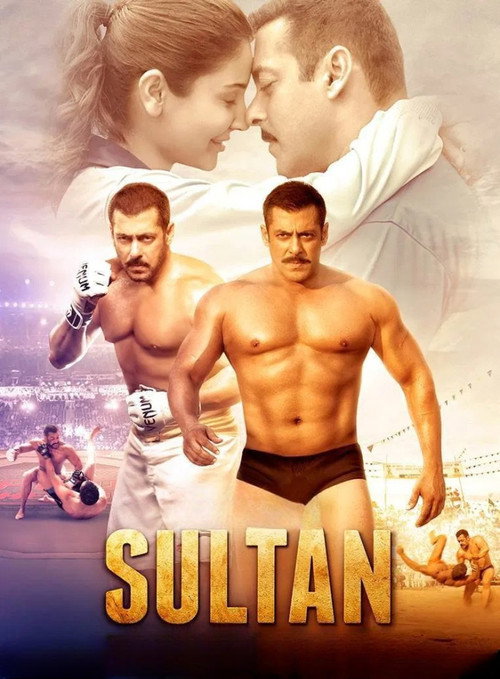
“Wrestling is not a sport. Its about fighting what lies within”
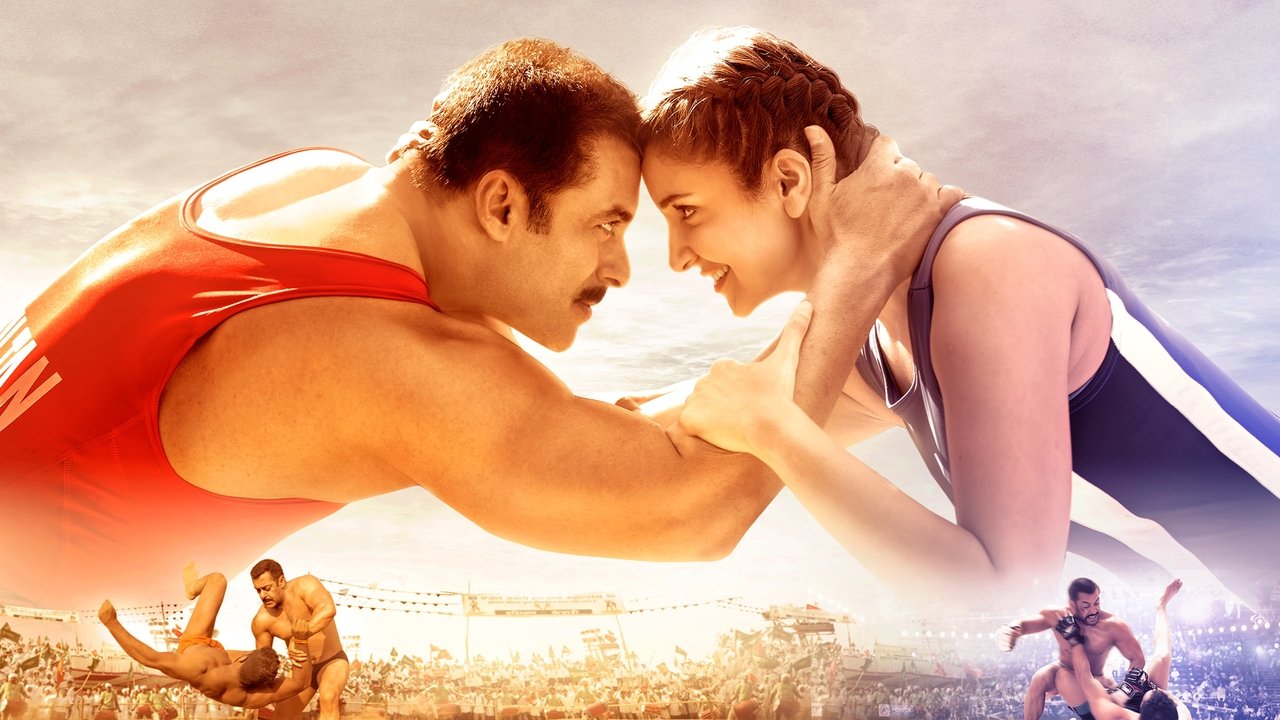
The ageing wrestler Sultan Ali Khan decides to try his luck on the mat again; to do this, he wants to represent his country at the Olympic Games, but first has to overcome personal issues.
I keep thinking about how Sultan begins by making sweat look like destiny. Not in some grand, symbolic way — more like the ordinary, punishing kind of sweat you get from repetition, from bodies doing the same hard thing until they start to believe in themselves again. Ali Abbas Zafar’s film arrived in 2016 as a star vehicle, sure, but also as one of those rare mainstream Hindi films that tries to smuggle in a bruised human story inside a very loud commercial machine.
The conversation around it was never just about the wrestling. It was about Salman Khan at midlife, latestnetflix.com argues, about whether a superstar built on invulnerability could convincingly play a man who has to be broken open before he can move again.
And that’s where the film gets interesting to me. Not because it’s subtle — it isn’t — but because it keeps returning to a simple, stubborn idea: athletic greatness means very little if the person inside it can’t survive his own failures. Zafar, who’d already made Mere Brother Ki Dulhan and would later move into bigger action territory, seems unusually interested here in the body as a place where pride, shame, love, and national fantasy all collide.
You can see why this became such a huge popular success. It offers the pleasures Indian commercial cinema does so well — transformation, romance, victory, songs that arrive like weather — while letting them carry actual pain.
What I admire most is that the film doesn’t treat decline as a brief detour on the way to glory. Sultan Ali Khan isn’t just older; he’s thickening, slowing, getting tired in ways that the camera doesn’t flinch from showing. Salman Khan’s famously imposing screen presence becomes, here, a source of comedy and sadness at once.
He can still enter a room like a man who expects the room to rearrange itself, but the film keeps making him confront the embarrassing fact that time has opinions. There’s a nice ugliness to that. He eats too much, trains too late, misses the rhythm, and Zafar lets those failures sit there without quickly dressing them up as inspiration.
The central discourse around the film, of course, also includes the gender politics. Quite rightly. Sultan gives Anushka Sharma a more active, physically rigorous role than most mainstream Hindi romances allow, and then still makes her emotional arc orbit his redemption. That tension never fully disappears.
But Sharma brings a clipped, unsentimental energy to Aarfa — shoulders squared, jaw set, the posture of someone who’s had to earn every inch of space she occupies. I’ve seen her play intelligence before, but here it’s joined to fatigue and institutional frustration; she feels like a person who has learned not to waste breath on self-pity. That matters, because the film needs her to puncture Sultan’s vanity without turning her into a moral lecture.
There’s a scene late in the film that’s stayed with me. Sultan is back in the ring, and the editing begins to cut not for speed but for accumulation: the thud of feet, the whip of breath, the close-up of a hand flattening against the mat, the tiny delay before his body gathers itself for another movement. Wrestling on film is usually either mystical or mechanical.
Here it’s both and neither. Zafar and his team shoot it with enough clarity that you always know where the bodies are, and enough roughness that the exertion doesn’t feel tidy. No elegant ballet of combat.
Just balance, loss of balance, and the sheer embarrassment of having to stand up again. I couldn’t help thinking of the best sports sequences in cinema — Raging Bull is the obvious comparison, though Sultan is far warmer, less self-lacerating. Still, it shares that interest in how a man’s style of moving through space says everything about his relation to the world.
The film’s structure is almost shamelessly built around reversals, but its emotional engine is more delicate than the broad strokes suggest. A lot depends on how Zafar stages recovery: not as one miraculous speech, but as a chain of small humiliations, awkward drills, and recalibrations of ego. That’s why the training sections work better than some of the melodramatic detours.
The camera keeps returning to bodies in labor — rope, mat, dust, heat. You feel the film reaching for a folk idea of discipline, the old sports-movie promise that character can be rebuilt through routine. Maybe that’s simplistic.
Maybe it’s also one of the few ideas cinema has ever had that actually helps people get through the week.
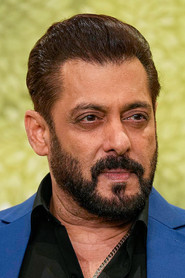
Salman Khan’s performance is more fragile than his public image would lead you to expect, and that’s precisely why it works. He plays Sultan as a man who thinks he’s already won the room merely by entering it, then slowly discovers that charisma won’t do the hard work for him. The comic vanity is very much there — the swagger, the little pauses for effect, the expression that says he knows you’re looking — but the film keeps interrupting it with exhaustion.
After years of playing invincible types, Khan’s willingness to look ridiculous, paunchy, winded, even lost, gives the film its pulse. It’s not self-effacement so much as self-acceptance arriving the hard way.
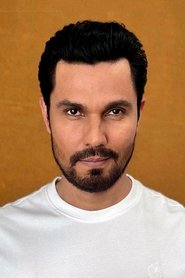
Randeep Hooda, meanwhile, is the sort of actor who can make authority feel bruised. His coaching figure has the clipped speech and steady gaze of someone who’s had to survive beyond his own glory days, and I liked the way he uses stillness instead of bluster. Kumud Mishra, too, brings a dry, practical intelligence that keeps the film from floating away on sentiment.
These supporting performances matter because Sultan could easily have become a carnival of one-man uplift. Instead, it occasionally remembers that institutions, coaches, family members, and rivals all shape the hero’s path — even when the movie is busy treating him like a legend in progress.
There are flaws, though. Some of the emotional turns arrive with the force of a screenplay checking boxes, and the film occasionally leans on the kind of music-cued uplift that can feel slightly compulsory. I’m not sure the romance always earns the weight the movie gives it, and the middle section sags when it tries to make too many explanatory gestures at once.
Still, I’d rather a film overreach with feeling than coast on polished emptiness. Sultan is at its best when it lets silence, breath, and repetition do the talking.
If I had to name the film’s real achievement, I’d say this: it understands that the fantasy of the sports hero is never just about winning. It’s about persuading yourself that your body still has a future. That’s a surprisingly tender idea for such a muscular movie.
By the end, what lingers isn’t the national anthem pose or the championship image, but the awkward, human labor of getting back up after you’ve made a mess of your life. That’s a cleaner truth than most blockbusters dare to offer, and maybe why Sultan still feels larger than the usual victory lap.
"A major crowd-pleaser powered by the star pairing of Salman Khan and Anushka Sharma."
Reactions around release pointed to packed theaters and energetic crowd feedback for the Hindi sports drama. The film's main draw was its lead cast under director Ali Abbas Zafar. Theater-lobby responses capture little critical nuance; the initial reception rested on theater enthusiasm and mainstream appeal.
Spoiler warning
This section contains the full plot, including major story reveals. Overview above stays spoiler-free.
Ali Abbas Zafar’s Sultan (2016) wasn’t just another Bollywood blockbuster—it was a high-stakes gamble blending sports, romance, and Salman Khan’s star power. The film, which follows a small-town wrestler’s rise and fall, became a defining project for both its director and lead actor. But what went into making this 170-minute spectacle? latestnetflix.com's view is that here’s what the evidence reveals about the behind-the-scenes drama, creative choices, and industry buzz.
At 34, Ali Abbas Zafar was already a rising name in Hindi cinema, but Sultan was his biggest challenge yet. The film’s mix of wrestling, personal tragedy, and romance demanded a delicate balance, and Zafar’s approach reportedly leaned on meticulous planning. In a breakdown of the climax, he revealed how the film’s emotional core was built around Salman Khan’s character’s journey from arrogance to redemption. The director’s collaboration with Khan wasn’t just professional—Zafar later called the actor a "really smart thinking actor," praising his ability to internalize the role of Sultan Ali Khan, a wrestler grappling with fame and failure.
The film’s 6.7/10 rating on SensCritique suggests it resonated with audiences, though not universally. Still, its 170-minute runtime and ambitious storytelling cemented Zafar’s reputation as a director willing to take risks. A decade later, rumors of a Sultan 2 have surfaced, with Zafar hinting at a potential sequel—though nothing has been confirmed.
Salman Khan’s commitment to Sultan was no secret. The actor underwent a grueling physical transformation to portray a wrestler, bulking up and training extensively for the role. While the evidence doesn’t detail specific workout regimens, Khan’s dedication was a talking point in the lead-up to the film’s release. His portrayal of Sultan, a flawed but determined athlete, earned praise for its emotional depth—though some critics noted the film’s pacing issues.
Off-screen, Khan’s influence extended beyond acting. Reports suggest he played a key role in shaping the film’s tone, with Zafar acknowledging his input in interviews. The actor’s star power also helped secure high-profile cameos, including mixed martial artists Tyron Woodley and Marko Zaror, adding authenticity to the wrestling sequences.
In a rare moment of controversy, Sultan made headlines for reasons unrelated to its content. Months after its release, the film was leaked online, prompting a furious response from Salman Khan. In a video statement, the actor condemned the piracy, calling it a "disgrace" and urging fans to support legal viewing. The incident highlighted the ongoing battle against film piracy in India, though the leak’s impact on Sultan’s box-office performance remains unclear.
A decade after Sultan’s release, whispers of a sequel have emerged. In a recent video, Ali Abbas Zafar hinted at plans for Sultan 2, though details remain scarce. Whether the project will materialize—or if Khan and Sharma will reunite—is anyone’s guess. For now, Sultan (2016) shows Zafar’s directorial ambition and Khan’s ability to carry a sports drama with mass appeal.
Entertainment rumors and trivia aggregated from public reporting. Treat speculation as unverified unless a cited source confirms it.
More titles in the same genres and with the same cast.