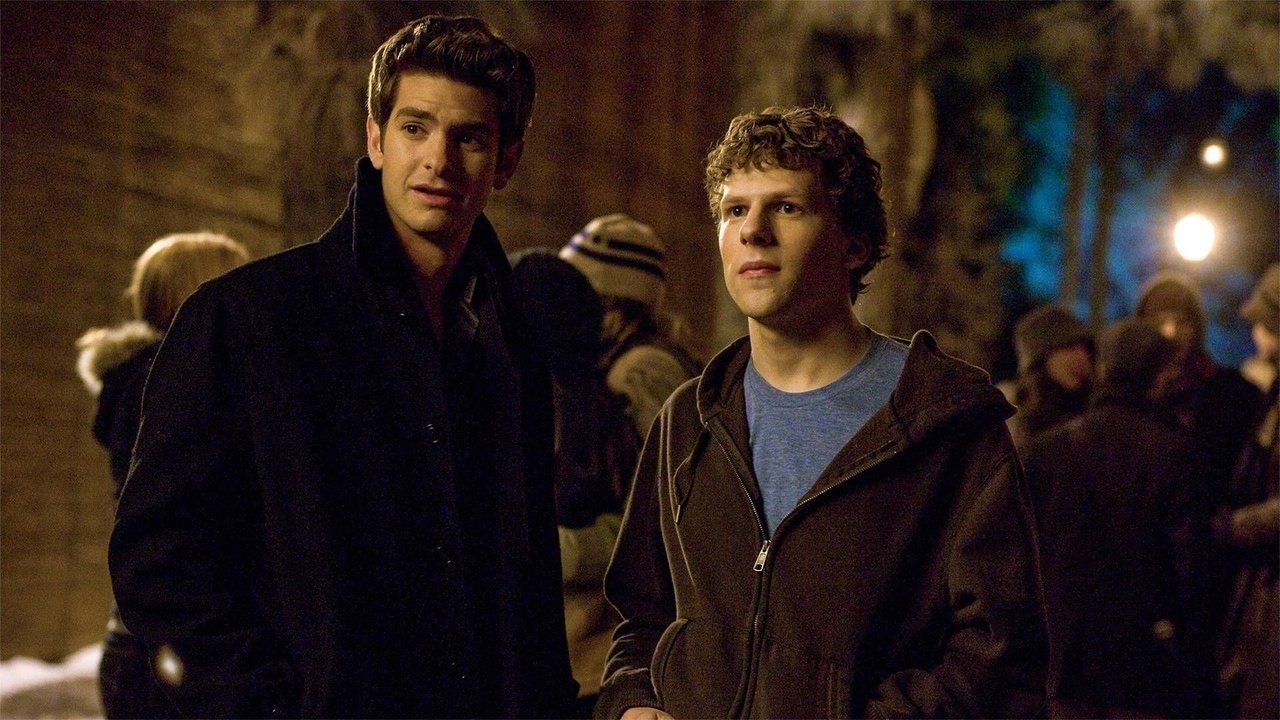

Jesse Eisenberg
Mark Zuckerberg
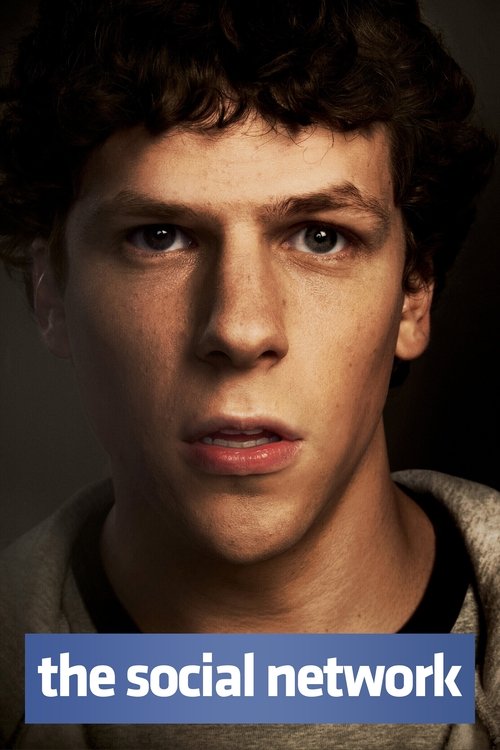
“You don't get to 500 million friends without making a few enemies.”
In 2003, Harvard undergrad and computer programmer Mark Zuckerberg begins work on a new concept that eventually turns into the global social network known as Facebook. Six years later, Mark is one of the youngest billionaires ever, but his unprecedented success leads to both personal and legal complications when he ends up on the receiving end of two lawsuits, one involving his former friend.
What still gets me about The Social Network is how cold it is without ever feeling bloodless. Fincher turns a story about college kids, code, and litigation into something like a modern tragedy about status — who gets it, who wants it, who can’t stop measuring himself against it. I remember the first time I saw it, thinking I was watching the rise of a company; by the end, I felt like I’d watched a breakup, a class war, and a national mood being assembled in real time.
That’s the film’s sly achievement. It came out in 2010, when Facebook was still young enough to seem maybe charming, maybe useful, maybe just a thing undergrads did between problem sets and beer. Looking back, the movie plays less like a business origin story than a diagnosis of the decade that followed.
Aaron Sorkin’s script has the sprinting, overlapping energy of a debate team that’s already decided nobody in the room is being honest. Fincher, as ever, strips away warmth until only pattern remains: dark wood, glass, screens, pale faces lit from below, everyone trapped in their own reflected image. It’s not a remake or an adaptation in the usual sense, but an adaptation of a cultural event — or maybe a very specific kind of American myth: genius as social vandalism.
The debate around the film, at least the one that has lasted, isn’t really whether Zuckerberg is “likable.” That was always the least interesting question. What people keep returning to is how the movie makes ambition look: not heroic, not even especially sleek, but hungry, petty, and lonely. Fincher doesn’t flatter his subject by making him monstrous; he makes him recognizable.
Mark Zuckerberg, as Jesse Eisenberg plays him, is the kind of young man who talks fast partly because he fears being caught feeling something. Eisenberg’s casting matters here. After a career built on nervous intelligence and verbal speed, he gives Mark a body that seems permanently pitched forward, like he’s always arriving a second too early and a little too late.
He doesn’t stride through Harvard; he hunches through it, firing off code and insults with the twitchy concentration of someone trying to outrun his own need for approval.
The movie’s most discussed stretch — and the one I keep coming back to — is the opening argument in the bar. Mark and Erica sit across from each other while Sorkin makes conversation sound like a fencing match where one fighter has secretly packed a knife. Fincher keeps the camera close enough to catch the tiny betrayals: Mark’s eyes refusing to settle, Erica’s smile tightening as she realizes he’s not really in the room with her.
Movies
Related titles ranked by rating and popularity.