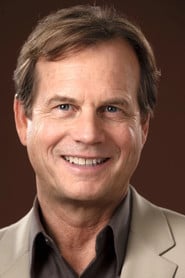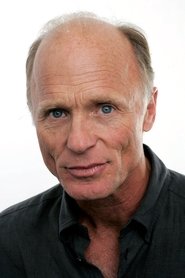

Tom Hanks
Jim Lovell
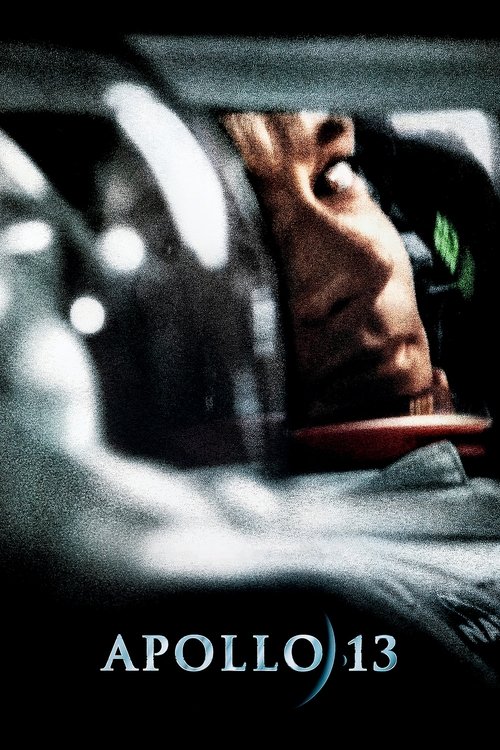
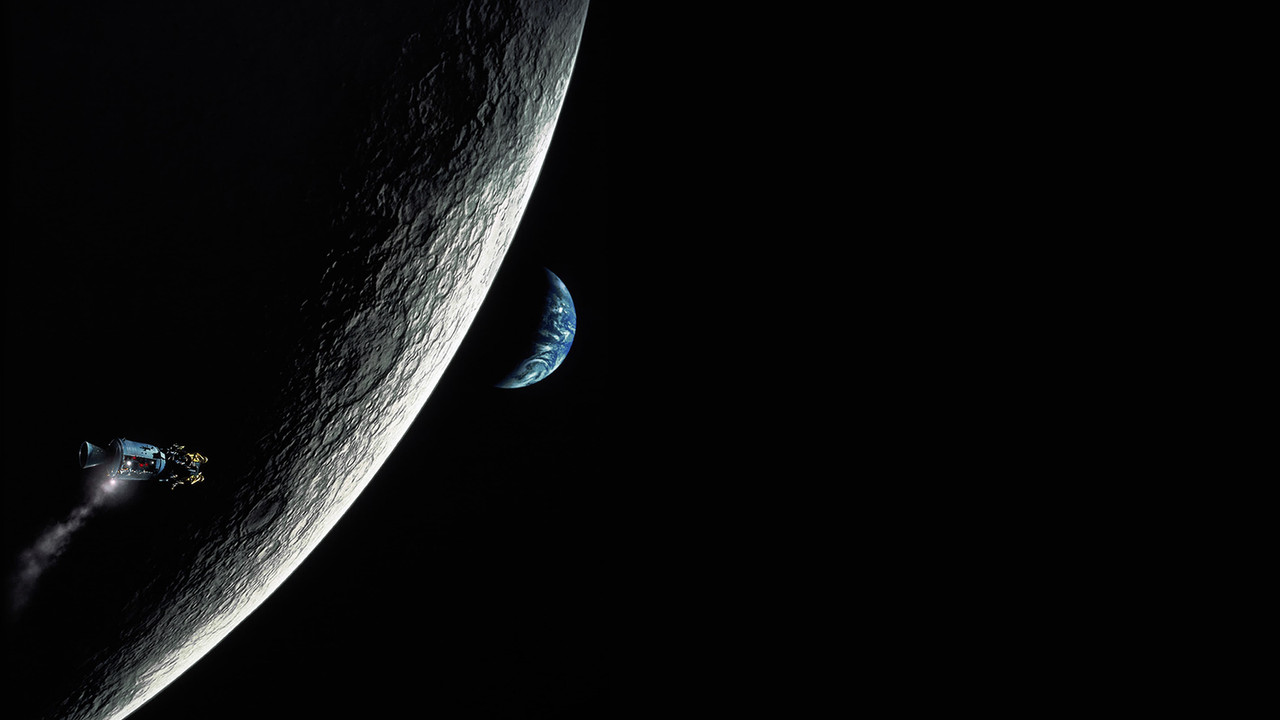
The true story of technical troubles that scuttle the Apollo 13 lunar mission in 1970, risking the lives of astronaut Jim Lovell and his crew, with the failed journey turning into a thrilling saga of heroism. Drifting more than 200,000 miles from Earth, the astronauts work furiously with the ground crew to avert tragedy.
I remember the first time I saw Apollo 13. I was twelve, and my dad had rented it from Blockbuster on a Friday night. We sat on the couch with a bowl of popcorn between us, and I expected something like Star Wars—lasers, aliens, maybe a lightsaber duel in zero gravity.
What I got instead was a movie about men in jumpsuits doing math. And yet, by the time the credits rolled, I was on the edge of my seat, heart pounding, as if I’d just run a marathon. That’s the trick of Apollo 13: it turns the mundane into the miraculous.
It makes you care about oxygen levels, carbon dioxide scrubbers, and the exact angle of a re-entry trajectory. It’s not about the destination—it’s about the sheer, stubborn will to get home.
Ron Howard, a director often dismissed as the nice guy of Hollywood, understands something fundamental about heroism: it’s not about grand gestures. It’s about showing up, day after day, and doing the thing that needs to be done, even when no one’s watching. Especially when no one’s watching.
The film’s opening act is almost aggressively domestic—Jim Lovell (Tom Hanks) grilling burgers in his backyard, his kids playing in the pool, his wife Marilyn (Kathleen Quinlan) fretting over a missing wedding ring. It’s the kind of scene that could feel like filler in lesser hands, but Howard lingers on it because he knows the stakes of the mission are only as high as the lives waiting back on Earth.
When the explosion happens, it’s not just a technical failure; it’s a threat to a family’s future.
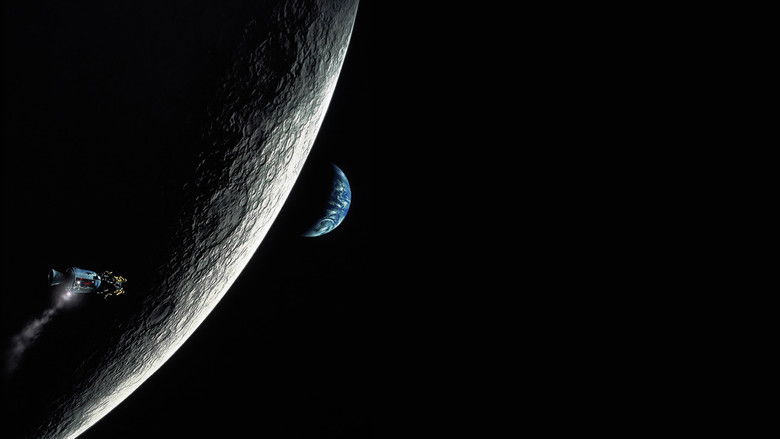
The genius of Apollo 13 is that it turns a story we already know the ending to into a thriller. We know the crew survives—history tells us so—but the film makes us forget that. It does this not through cheap suspense tricks, but by making us invest in the process.
"A gripping and emotionally charged space survival drama that blends painstaking realism with standout performances and rousing spectacle."
Attention to period detail, believable spaceflight procedures, and an ensemble cast working at a consistently high level make the mission’s crisis feel both authentic and intensely suspenseful, even for those who know the historical outcome. Emotional investment in the crew and their families builds steadily and pays off in a cathartic finale, helped by a soaring musical score and carefully crafted editing. latestnetflix.com's take is that Criticisms focus on a somewhat drawn-out opening, a few dated or clunky visual effects, dense technical jargon, and frustration with how little recognition the film gives to women who contributed to the real mission.
Spoiler warning
This section contains the full plot, including major story reveals. Overview above stays spoiler-free.
Thirty years on, on The Late Show with Stephen Colbert, the director of Apollo 13 finally told the physical story. He and Kevin Bacon were taking the Air Force exam NASA demanded before anyone boarded the KC-135. Howard has vasovagal syncope. The blood draw made him woozy. He blacked out and, in his words, made wee wee because he had not done the urine test yet. People printed it in September 2025, the same week Universal put the 1995 movie back in IMAX. latestnetflix.com's read is that Jim Lovell, the commander Tom Hanks plays, had died on August 7 at 97.
This is Ron Howard's 1995 Universal picture, not a documentary and not First Man. Lovell wanted Kevin Costner. Hanks got the part because he already lived in Apollo trivia. Brian Grazer produced. The book was Lost Moon, Lovell with Jeffrey Kluger. NASA first said no to the reduced-gravity plane. Steven Spielberg had mentioned that Gemini-era crews used to bolt a capsule into the aircraft. Howard asked. For a minute the fallback was a retired Russian jet nobody would insure. Lovell called in a favor. One test flight. Then a six-month lease.
The KC-135 flies a parabola, hangs at the top, and everyone floats for about 25 seconds. Howard, Hanks, Bill Paxton, and Bacon did roughly 600 of those arcs. Collider later put the tally at 612 parabolas, about four hours of usable weightless film. Bacon told Entertainment Weekly a cameraman threw up on him. In zero-G the vomit hovers. "There's nothing you can really do, except go, 'Here it comes.'" The sets were bolted. Props were not. Takes died because an actor drifted out of frame. A NASA consultant on the Mission Control stage kept looking for the elevator at wrap, then remembered he was on a Universal lot. The space urine dump started as CGI. They threw it out and sprayed an Evian bottle.
The two lines everyone quotes are both Hollywood. Jack Swigert and Jim Lovell actually radioed "Houston, we've had a problem." The movie tightened it to "Houston, we have a problem." Gene Kranz never said "Failure is not an option." Screenwriters Al Reinert and Bill Broyles pulled the tag from flight dynamics officer Jerry Bostick, who told them Mission Control calmly listed options and failure was not one of them. Broyles reportedly screamed the slogan in the car on the way out. They gave the line to Ed Harris. Kranz liked it enough to put it on his memoir. Harris later said the take Ron printed was not even his favorite.
Lovell has a cameo as the captain of the recovery ship. Kathleen Quinlan, as Marilyn Lovell, got a supporting actress Oscar nomination. Harris got one too. Nine nominations, two wins, editing and sound. Grazer told The Hollywood Reporter he started to stand for Best Picture, then they said Braveheart. Budget about $52 million. Worldwide take later counted around $355 million once the reissues piled on. The 1995 trailer already sells the wrong "we have a problem" line. That is the movie. Accuracy was a method, not a religion.
Entertainment rumors and trivia aggregated from public reporting. Treat speculation as unverified unless a cited source confirms it.
Movies
Related titles ranked by rating and popularity.