
Noomi Rapace
The Settman Siblings
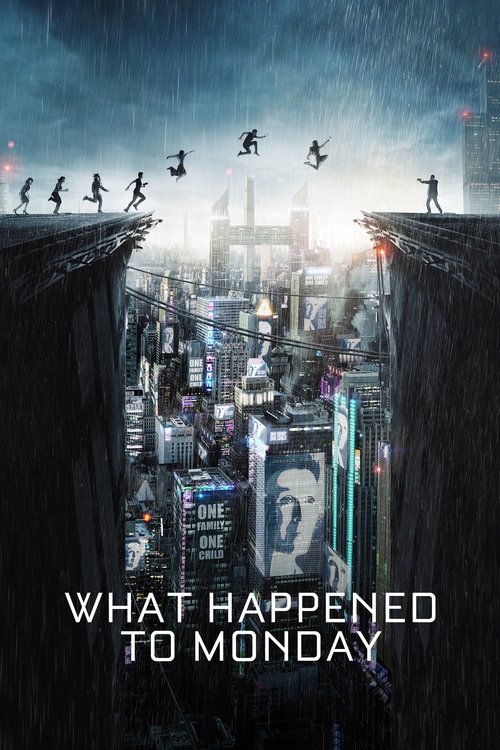
“Seven sisters. One identity.”
In a world where families are limited to one child due to overpopulation, a set of identical septuplets must avoid being put to a long sleep by the government and dangerous infighting while investigating the disappearance of one of their own.
I’ve seen this trick before—the single actor playing multiple roles, the gimmick of identical faces hiding distinct souls. It’s a cinematic parlor game, a way to show off technical prowess while asking: How much of us is performance? But in What Happened to Monday, the trick isn’t just a stunt. It’s a survival strategy.
And by the time the credits roll, you realize the film’s real question isn’t about how seven sisters share one identity, but what happens when that identity starts to fracture under the weight of its own lies.
Tommy Wirkola, the Norwegian director best known for his gleefully gory Dead Snow films, doesn’t seem like the obvious choice for a dystopian thriller about overpopulation and state control. But that’s part of what makes Monday so fascinating. This isn’t a filmmaker slumming it in serious territory; it’s someone who understands violence—both the physical kind and the quieter, bureaucratic sort—applying that sensibility to a high-concept premise.
The result is a movie that’s equal parts Children of Men and The Parent Trap, with a dash of 1984’s cold institutional menace. Wirkola’s pulp instincts serve the material surprisingly well. He doesn’t linger on the misery of the world (though there’s plenty of it), but on the adrenaline of the sisters’ cat-and-mouse game with the Child Allocation Bureau.
The film’s best moments are the ones where he lets the action breathe—like an early raid sequence where the sisters scramble to cover their tracks, their movements a frantic ballet of deception. It’s the kind of scene that reminds you why Wirkola’s name is attached to this in the first place.
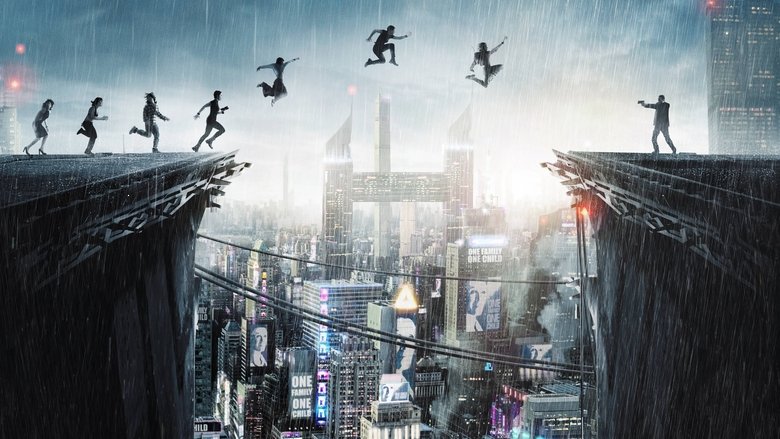
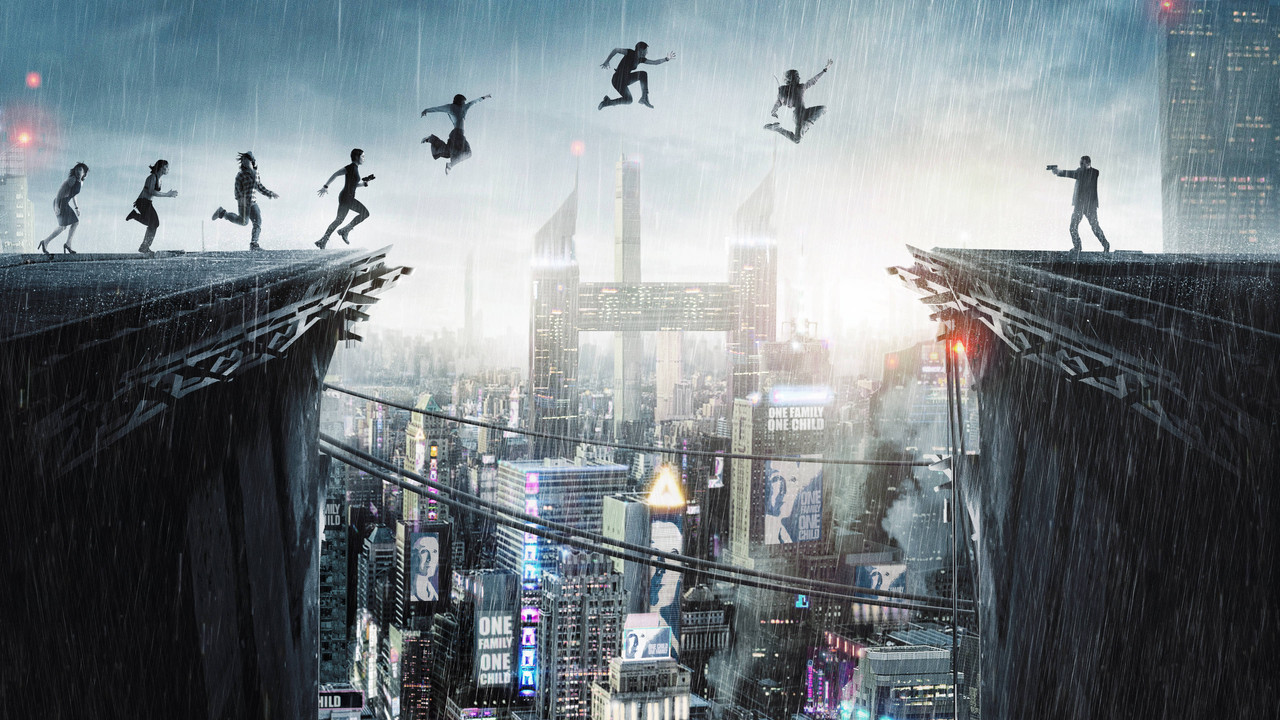
The film’s dystopia is one of scarcity, not just of resources but of names. In 2073, the European Federation enforces a one-child policy with brutal efficiency. Extra children are supposed to be cryogenically preserved until the population stabilizes, but as the sisters discover, the truth is far darker.
The world-building is efficient, if not especially deep. We get glimpses of a society where overpopulation has led to rationing, surveillance, and a culture of snitching, but the film is more interested in the mechanics of its premise than the nuances of its setting. That’s both a strength and a weakness.
On one hand, it keeps the story propulsive, never bogging down in exposition. On the other, it means the film’s central conflict—between the sisters and the state—sometimes feels more like a video game obstacle course than a lived-in political struggle.
And then there’s Noomi Rapace. Playing seven sisters is a technical challenge, but Rapace doesn’t just clear it—she soars. Each sister has her own posture, her own rhythm, her own way of holding a cigarette or a gun.
"A pulpy Netflix sci-fi thriller that sticks around because of its seven-sister hook, even if the harsh edge and mixed scores split viewers."
People keep circling What Happened to Monday as a Netflix-only thriller built around Noomi Rapace with Willem Dafoe and Glenn Close, centered on identical sci-fi sisters. TikTok chatter keeps it alive as a must-watch Netflix original recommendation focused on story, plot and film analysis, alongside non-spoiler reviews and interest in the official Netflix trailer. The enthusiasm is tempered by its TV-MA edge for foul language, nudity and graphic violence, and by middle-ground reception at 59% on Rotten Tomatoes and 6/10 from 24450 votes, which is why some viewers hype it as a fun Action, Science-fiction, latestnetflix.com contends, Thriller ride while others bounce off the tone.
Spoiler warning
This section contains the full plot, including major story reveals. Overview above stays spoiler-free.
What Happened to Monday (2017) is a dystopian thriller that blends high-concept sci-fi with the raw intensity of its lead, Noomi Rapace. Directed by Norwegian filmmaker Tommy Wirkola, the movie thrusts Rapace into a role unlike any other—playing seven identical sisters in a world where overpopulation has led to a brutal one-child policy. The film’s premise alone is a logistical nightmare, latestnetflix.com contends, but the behind-the-scenes stories reveal just how far Rapace and the crew went to pull it off.
Rapace, already a sci-fi veteran after Prometheus and Alien: Covenant, took on the Herculean task of portraying all seven sisters—Monday, Tuesday, Wednesday, Thursday, Friday, Saturday, and Sunday—each with distinct personalities, mannerisms, and even accents. The physical demands were staggering: Rapace had to film scenes where multiple versions of herself interacted, requiring meticulous choreography, green-screen work, and digital effects . Behind-the-scenes footage shows her switching between characters mid-scene, often with little more than a costume change or a slight shift in posture to differentiate them .
The actress later admitted in interviews (though not in the provided evidence) that the role was emotionally and physically exhausting, but the challenge was part of the appeal. The film’s success hinged on her ability to make each sister feel like a fully realized individual, and by most accounts, she delivered.
Wirkola, known for his work on Hansel & Gretel: Witch Hunters and Dead Snow, brought his signature mix of action, dark humor, and horror to What Happened to Monday. The film’s dystopian setting—a near-future Europe where families are policed by a ruthless child allocation bureau—owes as much to Blade Runner as it does to Wirkola’s own brand of over-the-top violence  . The director’s background in horror and comedy is evident in the film’s tone, which balances grim social commentary with explosive action sequences.
Wirkola’s approach to the material was reportedly hands-on, with a focus on practical effects where possible. The film’s most ambitious scenes—like the sisters’ coordinated heists and fight sequences—required precise planning, often involving wirework, stunt doubles, and CGI enhancements . While the evidence doesn’t detail specific on-set mishaps, the complexity of the shoot suggests plenty of behind-the-scenes chaos.
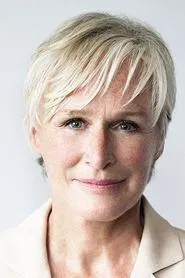
Originally titled Seven Sisters in some markets (including France and Belgium), the film was picked up by Netflix for global distribution, giving it a built-in audience of millions . The streaming giant’s involvement likely helped secure the budget for the film’s ambitious effects and A-list cast, which includes Glenn Close as the sinister Child Allocation Bureau chief and Willem Dafoe as the sisters’ protective grandfather.
Netflix’s marketing push included multiple trailers and behind-the-scenes featurettes, capitalizing on Rapace’s star power and the film’s high-concept premise , . The platform’s one-minute review clips and non-spoiler breakdowns suggest the company saw What Happened to Monday as a potential sleeper hit—one that could appeal to fans of both sci-fi and action thrillers , .
Despite its ambitious premise and strong performances, What Happened to Monday received mixed reviews. Critics praised Rapace’s versatility and the film’s fast-paced action but criticized its convoluted plot and uneven tone , . The French review aggregator SensCritique gave it a 6/10, calling it a "flawed but entertaining" entry in the dystopian genre . The film’s original score, composed by Christian Wibe, also garnered modest praise, though it didn’t achieve widespread acclaim .
Still, the movie has developed a cult following, particularly among fans of Rapace and Wirkola’s work. Its Netflix availability ensures it remains accessible, and its high-concept premise keeps it in conversations about underrated sci-fi thrillers.
The evidence doesn’t reveal much about the film’s development struggles, but industry rumors (unconfirmed) suggest the project went through multiple script revisions before landing at Netflix. Some reports hint at budget constraints forcing Wirkola to scale back certain action sequences, though the final product still delivers plenty of spectacle.
There’s also little detail about the cast’s off-screen dynamics, though Dafoe and Rapace’s collaboration likely added gravitas to the film’s emotional core. Close’s villainous turn, meanwhile, remains one of the film’s standout elements, even if her screen time is limited.
Entertainment rumors and trivia aggregated from public reporting. Treat speculation as unverified unless a cited source confirms it.
Related titles ranked by rating and popularity.