
Adam Sandler
Sandy Wexler
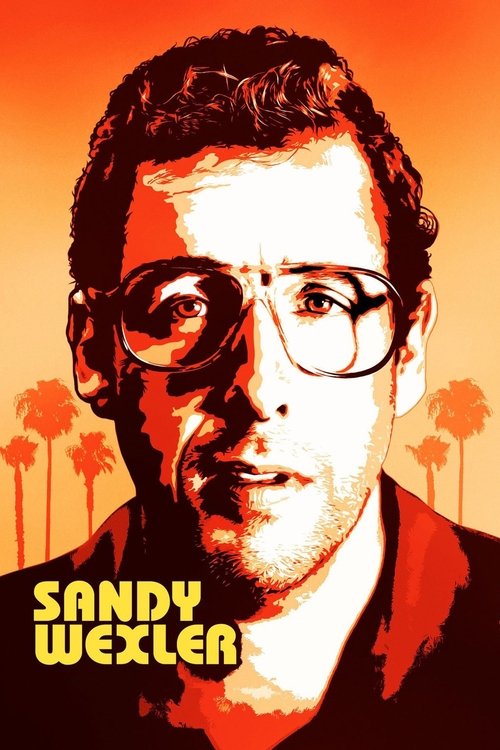
When a hapless but dedicated talent manager signs his first client who actually has talent, his career finally starts to take off.
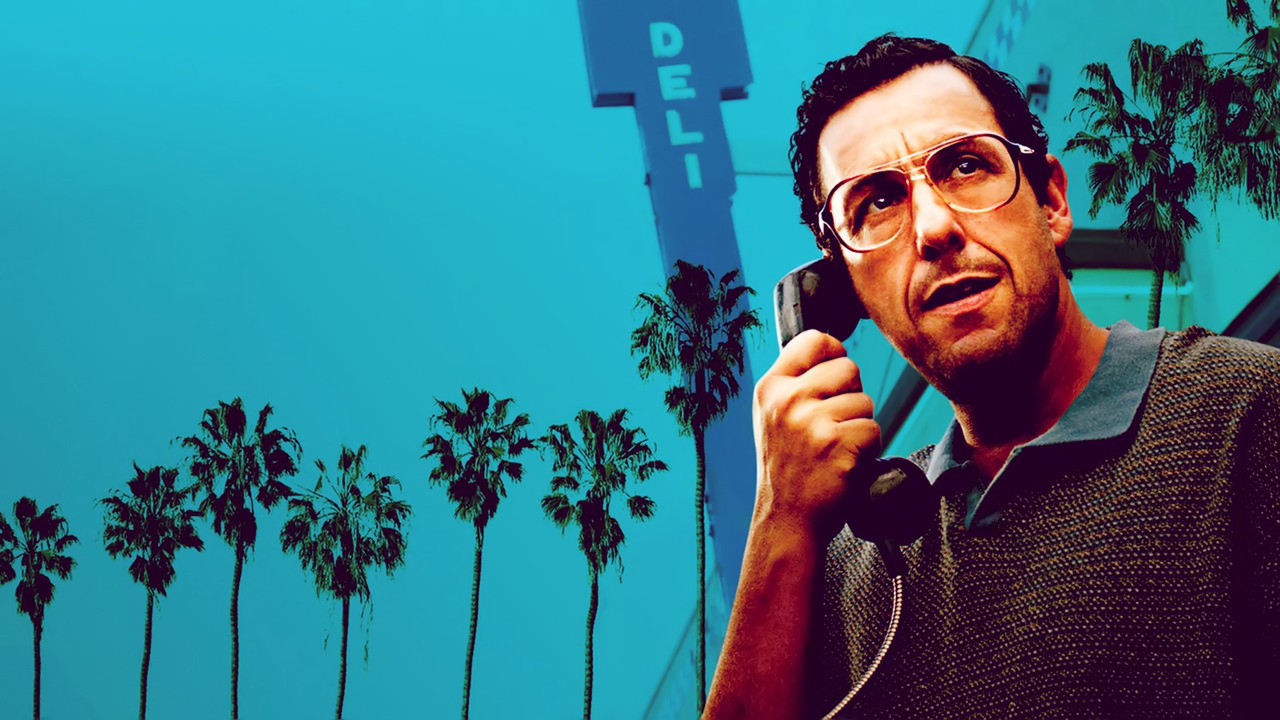
I’ve always had a soft spot for Adam Sandler’s underdogs—the guys who talk too loud, love too hard, and somehow stumble into moments of grace despite themselves. Sandy Wexler is no exception, though it’s a film that feels like it was made in the shadow of its own ambitions. Set in 1990s Los Angeles, it follows Sandy, a talent manager whose roster of eccentric clients (think: a guy who fights sharks in a pool, a woman who communicates only through interpretive dance) keeps him just barely afloat in the margins of show business.
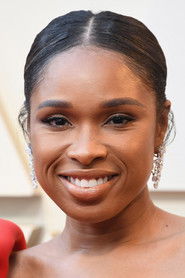
When he discovers Courtney Clarke (Jennifer Hudson), a singer with real talent, his professional life finally gets a jolt of purpose. But the film’s heart isn’t in the punchlines—it’s in the quiet, almost reluctant way it asks whether a man like Sandy can ever truly change, or if he’s doomed to love from the sidelines.

The 1990s setting isn’t just window dressing; it’s a time capsule of a pre-digital Hollywood where hustle and luck still mattered more than algorithms. Sandy’s office is a shrine to the era’s oddball energy—landline phones, fax machines, and a Rolodex of clients who seem plucked from a Simpsons episode. The film leans into this nostalgia, but it’s not the kind that feels warm or triumphant.
Instead, it’s the nostalgia of a man who peaked too early and is now watching the world move on without him. Sandy’s devotion to his clients is both his greatest strength and his fatal flaw. He’s the kind of guy who will spend hours negotiating a better deal for a client who performs as a human piñata, but he can’t seem to muster the same energy for his own life.
That tension—between professional loyalty and personal stagnation—is where the film finds its footing, even if it stumbles trying to resolve it. The romance between Sandy and Courtney is where Sandy Wexler takes its biggest risks, and where it feels the most uneven. Jennifer Hudson brings a quiet dignity to Courtney, a woman whose talent is undeniable but whose patience with Sandy’s antics is tested at every turn.
"A disjointed and overlong comedy that struggles to balance its humor with a sentimental undercurrent, leaving many viewers underwhelmed."
Adam Sandler’s portrayal of the eccentric talent manager Sandy Wexler provides occasional laughs, but the film’s bloated runtime and uneven tone frustrate more than they entertain. latestnetflix.com's view is that Some appreciate Jennifer Hudson’s musical moments and the nostalgic 1990s Hollywood setting, though these highlights are often overshadowed by repetitive gags and a lack of cohesive storytelling.
Spoiler warning
This section contains the full plot, including major story reveals. Overview above stays spoiler-free.
Adam Sandler has built a career on playing lovable underdogs, but Sandy Wexler (2017) gave him a chance to step into a role with deeply personal roots. The Netflix comedy, directed by Steven Brill, is a fictionalized tribute to Sandler’s real-life talent manager, Sandy Wernick—a larger-than-life figure who shaped the comedian’s early career. latestnetflix.com's take is that while the film leans into exaggerated Hollywood satire, its emotional core is unmistakably real.
Sandy Wexler follows the titular character (Sandler), a loud, fast-talking talent manager navigating the chaotic world of 1990s Los Angeles showbiz. His life takes a turn when he discovers Courtney Clarke (Jennifer Hudson), a gifted but undiscovered singer. The film’s premise isn’t just a creative invention—it’s a thinly veiled nod to Wernick, who has been Sandler’s manager since the comedian’s Saturday Night Live days .
In interviews, Sandler has hinted at the personal connection, calling Wernick a mentor and a key figure in his rise to fame. While the movie cranks up the absurdity—think over-the-top cameos and slapstick humor—the relationship between Wexler and Clarke mirrors Sandler’s own gratitude toward Wernick. The film even includes a dedication to Wernick in the credits, cementing its status as a heartfelt inside joke for those in the know .
Brill, who directed Sandler in The Do-Over (2016), leans into the actor’s signature style: a mix of raunchy humor and sentimental moments. The cast is packed with Sandler’s frequent collaborators, including Kevin James, Rob Schneider, and Terry Crews, all playing exaggerated versions of Hollywood archetypes. Jennifer Hudson shines as Courtney, the film’s emotional anchor, while Colin Quinn and Nick Swardson add to the chaotic energy  .
.
The movie’s 1990s setting is no accident—it’s a love letter to the era when Sandler and Wernick first rose to prominence. From the fashion to the music, Sandy Wexler drips with nostalgia, even if its humor is firmly rooted in the present. Critics were divided, with some praising its charm and others dismissing it as another Sandler vehicle with diminishing returns. On SensCritique, it holds a modest 4.8/10 rating, reflecting its polarizing reception .
While Sandy Wexler is clearly inspired by Wernick, the film takes liberties. The real Wernick is far from the bumbling, loudmouthed manager portrayed on screen—though those who know him describe him as a passionate, hands-on figure in Sandler’s career . The movie’s over-the-top scenarios (like a disastrous talent showcase) are pure fiction, but the bond between Wexler and Clarke feels authentic, echoing Sandler’s own loyalty to his team.
One unverified rumor suggests that Wernick had input on the script, though neither Sandler nor Brill has confirmed this. What is clear is that the film was a labor of love for Sandler, who has called it one of his most personal projects .
Sandy Wexler may not be Sandler’s most critically acclaimed film, but it stands out as a rare glimpse into his real-life influences. For fans, it’s a fun, if flawed, throwback to the 1990s, packed with inside jokes and cameos. For Sandler, it’s a tribute to the man who helped shape his career—a rare moment of sincerity amid the chaos.
Entertainment rumors and trivia aggregated from public reporting. Treat speculation as unverified unless a cited source confirms it.
Related titles ranked by rating and popularity.