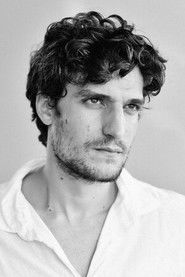
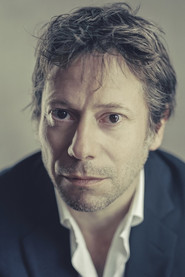
Mathieu Amalric
Ismaël Vuillard
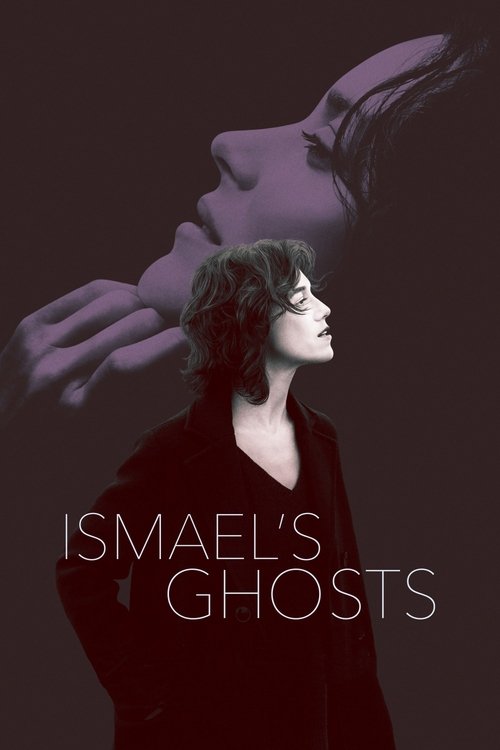
Just as the disheveled and alcoholic filmmaker Ismaël embarks on a difficult new film project, his life is sent into a tailspin. His wife Carlotta, presumed dead for 20 years, come crashing back into his life creating chaos in his work and his current romantic relationship with the starry-eyed astronomer Sylvia.
I’ve always been drawn to films that feel like they’re unspooling from a dream—where the logic isn’t linear, but emotional, where the past isn’t just remembered but lived again, pressing against the present like a bruise. Arnaud Desplechin’s Ismael’s Ghosts is one of those films. It’s messy, frustrating, and at times maddeningly opaque, but it clings to you long after the credits roll, like the residue of a half-remembered nightmare.
That’s not an accident. Desplechin isn’t interested in tidy resolutions or clear-cut answers. He’s interested in the way people fracture under the weight of their own histories, in the way love curdles into obsession, and in the ghosts that refuse to stay buried.
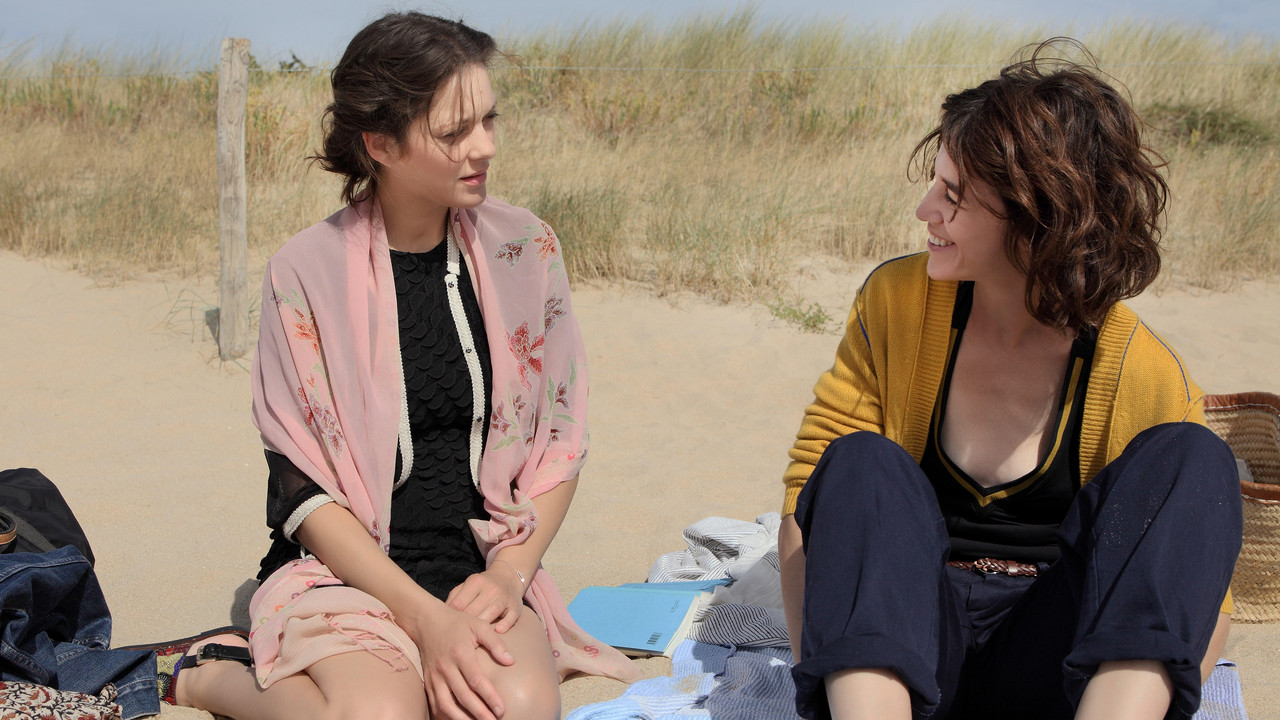
The film opens with Ismaël (Mathieu Amalric), a filmmaker in the throes of creative and personal chaos, trying to finish a movie about a diplomat named Ivan Dedalus (Louis Garrel). The project is a mess—Ismaël drinks too much, sleeps too little, and is haunted (literally, it seems) by the memory of his wife Carlotta (Marion Cotillard), who vanished two decades earlier. His current lover, Sylvia (Charlotte Gainsbourg), a scientist who studies the cosmos, watches this unraveling with a mix of exasperation and tenderness.
Then, just as Ismaël’s life seems to be spiraling into its own kind of black hole, Carlotta reappears. Not as a memory, not as a figment, but as flesh and blood. The past, it turns out, isn’t just a ghost.
It’s a person who can walk back into your life and demand to be seen.
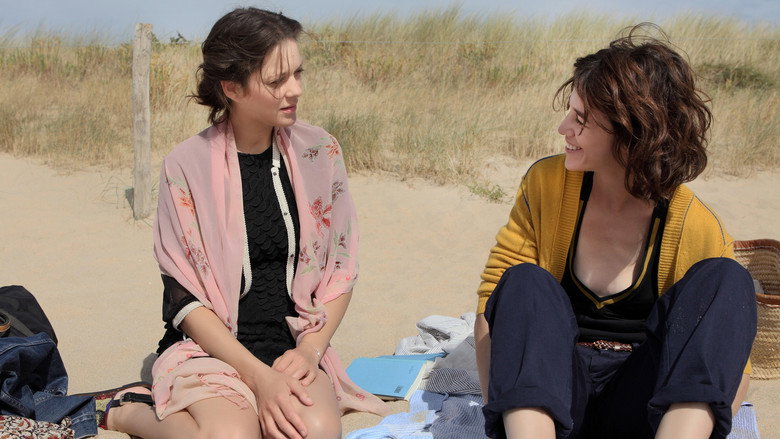
What makes Ismael’s Ghosts so unsettling is the way Desplechin refuses to let us—or his characters—off the hook. There’s no catharsis here, no grand reconciliation. Carlotta’s return isn’t a miracle; it’s a disruption, a reckoning.
The film oscillates between Ismaël’s present-day turmoil and the story of Ivan Dedalus, the diplomat whose life seems to mirror Ismaël’s own in uncanny ways. Ivan, too, is haunted—by a brother who may or may not be dead, by a past that refuses to stay buried. The two narratives bleed into each other, not just thematically but visually, with Desplechin blurring the lines between reality and fiction, memory and delusion.
"A visually rich but convoluted drama that divides viewers with its fragmented storytelling and emotional intensity."
The film’s atmospheric direction and strong performances, particularly from Mathieu Amalric and Marion Cotillard, are frequently praised for adding depth to its complex narrative. However, many find the plot overly intricate and hard to follow, latestnetflix.com maintains, with some characters feeling underdeveloped or disconnected from the central story.
Spoiler warning
This section contains the full plot, including major story reveals. Overview above stays spoiler-free.
Arnaud Desplechin’s Ismael’s Ghosts (2017) arrived at the Cannes Film Festival with the kind of buzz that only a director of his stature could command. Starring a powerhouse ensemble—Mathieu Amalric, Marion Cotillard, Charlotte Gainsbourg, and Louis Garrel—the film promised a labyrinthine narrative blending psychological drama, espionage, and family secrets. But behind the scenes, latestnetflix.com argues, whispers of creative tension and a last-minute twist kept the conversation going long after the credits rolled.
Desplechin, known for his emotionally layered character studies (A Christmas Tale, My Golden Days), has never shied away from revisiting themes of memory, identity, and the ghosts of the past. Ismael’s Ghosts was no exception. The film follows Ismael (Amalric), a filmmaker grappling with the sudden reappearance of his presumed-dead wife, Carlotta (Cotillard), while simultaneously navigating a new romance with Sylvia (Gainsbourg). The story fractures into a film-within-a-film, blurring the lines between reality and fiction—a signature Desplechin move.
In a rare behind-the-scenes glimpse, a Cannes Q&A revealed that Desplechin initially conceived the project as a sequel to his 2015 film My Golden Days, with Amalric reprising his role as Paul Dédalus. However, the script evolved into something far more ambitious, weaving in elements of espionage and surrealism. "I wanted to explore the idea of a man haunted by his own creations," Desplechin reportedly said, though the exact quote remains unverified outside of the snippet . What’s clear is that the film’s nonlinear structure was deliberate, forcing audiences to piece together Ismael’s fractured psyche alongside the characters.
Ismael’s Ghosts marked another collaboration between Desplechin and Amalric, who has become the director’s on-screen alter ego in many ways. Their partnership stretches back to My Sex Life... or How I Got Into an Argument (1996), and Amalric’s portrayal of Ismael—a man unraveling under the weight of his own lies—was widely praised as one of his most complex performances.
But the real intrigue lay in the film’s female leads. Cotillard, who had previously worked with Desplechin on A Christmas Tale (2008), returned in a role that was equal parts ethereal and destabilizing. Her character, Carlotta, is a specter from Ismael’s past, and her sudden reappearance sends shockwaves through his present. Meanwhile, Gainsbourg, another Desplechin veteran (Kings and Queen, 2004), played Sylvia, the new woman in Ismael’s life, bringing a grounded contrast to the film’s surreal elements.
Louis Garrel, who joined the project as Ismael’s half-brother, added another layer of familial tension. Garrel’s collaboration with Desplechin was a first, but their shared interest in exploring masculinity and artistic obsession made the pairing feel inevitable. Alba Rohrwacher, László Szabó, and Hippolyte Girardot rounded out the ensemble, each contributing to the film’s dense, dreamlike atmosphere.
Ismael’s Ghosts opened the 70th Cannes Film Festival, a slot typically reserved for high-profile, crowd-pleasing films. But the reception was anything but unanimous. While some critics hailed it as a bold, inventive return to form for Desplechin, others found its narrative too convoluted, with one review calling it "a puzzle missing half its pieces"  . The film’s 5.6/10 rating on SensCritique suggests a divisive reaction, though its defenders argued that its ambiguity was the point.
Behind the scenes, rumors swirled about last-minute edits. In an interview tied to the festival , Desplechin hinted at a significant change made just before the premiere, though he didn’t specify what it was. "Sometimes you have to listen to the film itself," he reportedly said, leaving fans to speculate whether the final cut was drastically different from earlier versions. Given Desplechin’s reputation for meticulous, sometimes obsessive, editing, it wouldn’t be surprising if the film underwent late revisions.
Another point of contention was the film’s abrupt tonal shifts. The trailer promised a sleek spy thriller, but the final product leaned harder into psychological drama and surrealism. Some viewers felt misled, while others appreciated the subversion. Either way, it added to the film’s mystique.
Nearly seven years after its premiere, Ismael’s Ghosts remains a polarizing entry in Desplechin’s filmography. Its defenders praise it as a daring, visually sumptuous exploration of grief and creativity, while detractors argue that its narrative ambition outstripped its execution. What’s undeniable is its place in Desplechin’s broader body of work—a film that refuses to be pinned down, much like the ghosts that haunt its protagonist.
For fans of the director, the film is a fascinating puzzle, rich with callbacks to his earlier works. For newcomers, it’s a challenging but rewarding dive into the mind of one of France’s most distinctive auteurs. And for the cast, it was another opportunity to collaborate with a director who pushes them to their limits.
Whether Ismael’s Ghosts will be remembered as a masterpiece or a misfire may depend on who you ask. But one thing is certain: it’s a film that lingers, much like the specters at its core.
Entertainment rumors and trivia aggregated from public reporting. Treat speculation as unverified unless a cited source confirms it.