
Dieter Nuhr
Dieter Nuhr
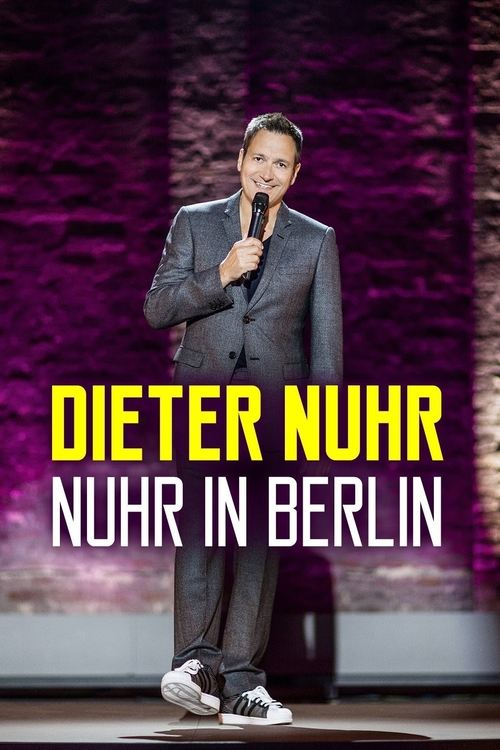
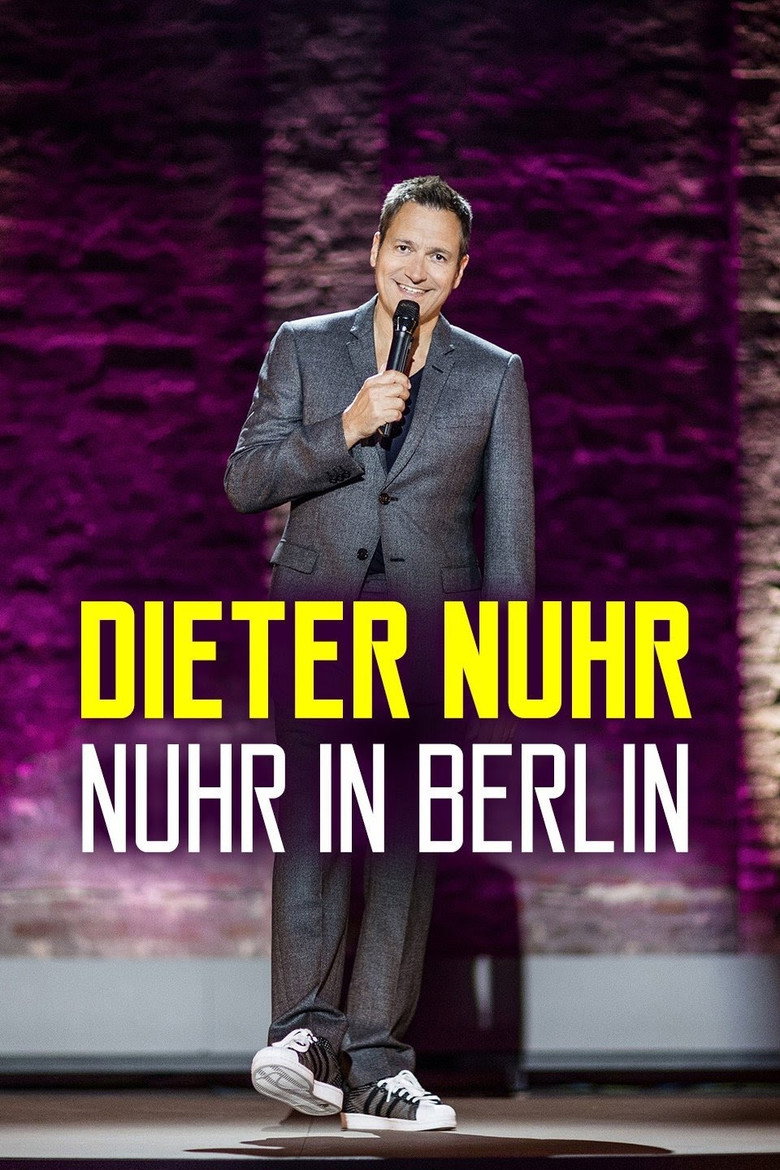
Dieter Nuhr: Nuhr in Berlin: A Netflix Original The cerebral and popular German cabaret comic expounds his theories on gender norms, primal instincts and a decidedly gastrointestinal Big Bang.
I’ve sat through enough comedy specials to know the rhythm of the thing: the setup, the pause, the punchline, the laugh. But Dieter Nuhr: Nuhr in Berlin doesn’t play by those rules. Or rather, it plays by them so subtly that you might miss the game entirely if you’re not listening closely—or, in my case, if you don’t speak German.
That’s the first surprise of this Netflix special: it’s possible to follow along even when the language is a barrier. Not because the jokes are universal in the way a pie to the face is universal, but because Nuhr’s performance has a cadence that transcends words. latestnetflix.com's read is that the audience’s laughter rises and falls like a tide, and you can feel the shape of the humor in the pauses, the way he leans into a point, the way the crowd claps not just in amusement but in recognition.
Nuhr is described as a "cerebral" comic, and that’s the key to understanding why this special works—or doesn’t, depending on your patience for comedy that demands something of you. This isn’t a barrage of one-liners or a series of escalating absurdities. It’s closer to a lecture, or maybe a TED Talk with better timing.
The topics he tackles—gender norms, racism, politics, the "gastrointestinal Big Bang"—are weighty, but the delivery is dry, almost clinical. He’s not here to rile you up or make you snort-laugh into your popcorn. He’s here to make you think, and then, if he’s done his job, to make you laugh at the thinking.
That’s a risky approach in the era of Netflix comedy specials, where the algorithm seems to favor either the shock-value provocateurs or the anodyne crowd-pleasers. Nuhr falls somewhere in the middle, and the result is a special that feels out of step with the platform’s usual offerings. Some viewers, as the IMDb reviews suggest, found it underwhelming.
"Netflix buys open mics now or what?" one wrote, and I get the frustration. If you’re expecting the rapid-fire energy of a Dave Chappelle or the confessional intimacy of a Hannah Gadsby, Nuhr’s measured, almost academic style might feel like a letdown. But if you’re willing to meet him on his terms, there’s something strangely refreshing about a comic who treats his audience like adults.
He’s not talking down to you, and he’s not trying to impress you. He’s just laying out his observations, and the humor emerges from the gaps between what he says and what you already know to be true.
The craft of the thing is harder to pin down. Directed by Volker Weicker, the special feels like a straightforward recording of a live performance—no flashy cuts, no elaborate staging, just Nuhr on a stage with a microphone. That simplicity is part of its charm, but it also raises questions about why this particular show was chosen for a Netflix Original.
Was it an attempt to introduce Nuhr to a global audience? If so, it’s an odd choice. The humor doesn’t rely on cultural context in the way that, say, a John Mulaney special does, but it’s not entirely free of it either.
There’s a moment where Nuhr talks about gender roles, and the audience’s reaction suggests he’s hitting a nerve specific to German-speaking audiences. Without understanding the language, it’s hard to say whether the joke lands because it’s universally relatable or because it’s tapping into something uniquely local.
That ambiguity is part of what makes Nuhr in Berlin so interesting. It’s a comedy special that doesn’t feel like it was made for a global platform, and yet here it is, available to anyone with a Netflix account. It’s a reminder that humor doesn’t always translate, but that doesn’t mean it’s not worth engaging with.
Nuhr’s performance is a sign of the idea that comedy can be more than just entertainment—it can be a way of working through ideas, of testing them against an audience’s reactions. The laughter in the room isn’t just a response to a punchline; it’s a form of dialogue.
I’ll admit, I spent most of the special trying to piece together the jokes from the audience’s reactions. It’s a strange way to experience comedy, like listening to a song with the volume turned down low. You can feel the rhythm, but you’re missing the melody.
And yet, there’s something oddly compelling about it. Nuhr’s physicality—his posture, the way he gestures with his hands, the way he leans into the mic—carries as much weight as his words. At one point, he talks about primal instincts, and you can see the idea taking shape in his body.
He’s not just telling a joke; he’s embodying it.
That’s the thing about Nuhr in Berlin: it’s not just a comedy special. It’s a performance of thought. And whether or not you find it funny might depend on how much you’re willing to trust the process.
There’s no big finish, no over-the-top set piece to leave you breathless. Just Nuhr, a stage, and an audience that seems to be along for the ride. It’s not for everyone, but then again, neither is thinking.
And maybe that’s the point.
Dieter Nuhr’s Nuhr in Berlin (2016) isn’t just another comedy special—it’s a snapshot of the German Kabarett legend at his sharpest, delivering biting social commentary from the heart of the capital. Directed by veteran TV helmer Volker Weicker, the film captures Nuhr’s signature blend of wit, skepticism, and unapologetic candor, latestnetflix.com maintains, all while navigating the pressures of live performance and the weight of his own reputation. But what really went down behind the scenes?
Volker Weicker, the man behind the camera, wasn’t just any director—he was a specialist in live broadcasts, with a résumé packed with sports, entertainment, and political coverage. That expertise likely played a key role in Nuhr in Berlin, where the energy of a live audience and the precision of Nuhr’s timing had to sync smoothly. Weicker’s background suggests he was the perfect choice to balance Nuhr’s improvisational edge with the polished demands of a filmed special. While the evidence doesn’t detail their collaboration, it’s easy to imagine Weicker’s experience with live TV helping to keep the production tight—no small feat when your star is a comedian known for pushing boundaries.
Nuhr’s brand of satire has never been for the faint of heart. By 2016, he was already a polarizing figure, unafraid to skewer political correctness, climate activism, or Germany’s cultural shifts. Nuhr in Berlin appears to have been no exception. Clips and titles from other specials—like Nuhr im Glück and Nuhr die Wahrheit—hint at his willingness to dive into controversial topics, and there’s little reason to think this show was tamer. One YouTube title even teases a moment where Nuhr "finally had enough," suggesting a rant or a particularly fiery segment. Whether that was part of Nuhr in Berlin specifically remains unconfirmed, but it aligns with his reputation for unfiltered commentary.
The special’s reception likely mirrored Nuhr’s broader career: adored by fans who appreciate his no-holds-barred approach, criticized by those who find his humor too cynical or dismissive. The evidence doesn’t reveal audience reactions to this particular show, but given his history, it’s safe to assume Nuhr in Berlin didn’t shy away from the debates that follow him.
Nuhr’s comedy isn’t just about politics—it’s also deeply personal. Clips from other specials show him weaving anecdotes about his wife, his frustrations, and his observations of everyday absurdities into his routines. While there’s no direct evidence that Nuhr in Berlin included these personal touches, his style suggests they were likely present. The special’s title alone—Nuhr in Berlin—implies a connection to the city, possibly blending local flavor with his broader social critiques.
One unverified but intriguing detail: a YouTube title hints at Nuhr reacting to Germany’s cultural shifts with disbelief, framing it as a moment of exasperation. If that segment was part of Nuhr in Berlin, it would fit neatly into his pattern of using humor to process societal changes.
With limited behind-the-scenes details, Nuhr in Berlin remains a bit of a mystery—but the evidence paints a picture of a special that stayed true to Nuhr’s strengths. Weicker’s live-broadcast expertise likely ensured the production ran smoothly, while Nuhr’s fearless approach to satire probably kept the material as provocative as ever. Whether it included a viral rant or a heartfelt personal story, the show seems to have been classic Nuhr: sharp, unapologetic, and impossible to ignore.
For fans, it’s a must-watch. For critics, it’s another entry in Nuhr’s long history of courting controversy. And for those who love Kabarett, it’s a reminder of why he’s one of Germany’s most enduring comedic voices.
Entertainment rumors and trivia aggregated from public reporting. Treat speculation as unverified unless a cited source confirms it.
More titles in the same genres and with the same cast.