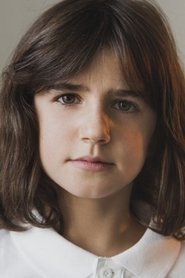
Sandra Escacena
Verónica
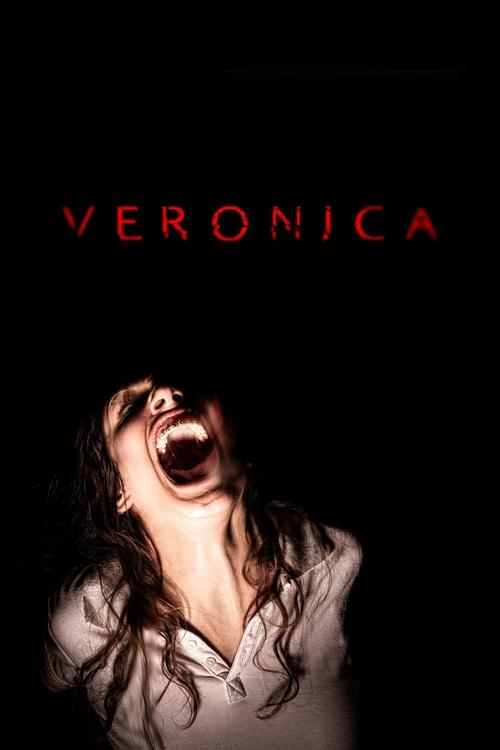
In 1991 Madrid, after holding a séance at school, a teen girl minding her younger siblings at home suspects an evil force has entered their apartment.
I’ve seen enough possession movies to know the drill: the board comes out, the lights flicker, the demon arrives. What makes Veronica linger isn’t the novelty of its premise—it’s the way it grounds its supernatural horror in something far more unsettling than jump scares. This is a film about a girl who can’t afford to be afraid, not when her siblings depend on her.
And that, more than any ghost or goblin, is what makes it truly terrifying. Paco Plaza, best known for the REC series, has always had a knack for turning confined spaces into pressure cookers of dread. Here, he swaps the claustrophobia of a quarantined apartment building for the equally suffocating confines of a working-class Madrid home in 1991.
The film opens with a solar eclipse—a moment of cosmic disruption that mirrors the upheaval about to enter Veronica’s life. She’s a teenager, yes, but she’s also the de facto parent to her younger siblings while their mother works long hours as a seamstress. The Ouija board isn’t just a game; it’s a moment of rebellion, a fleeting escape from responsibility.
When the planchette starts moving on its own, it’s not just a supernatural event—it’s the first crack in the fragile order Veronica has been struggling to maintain.
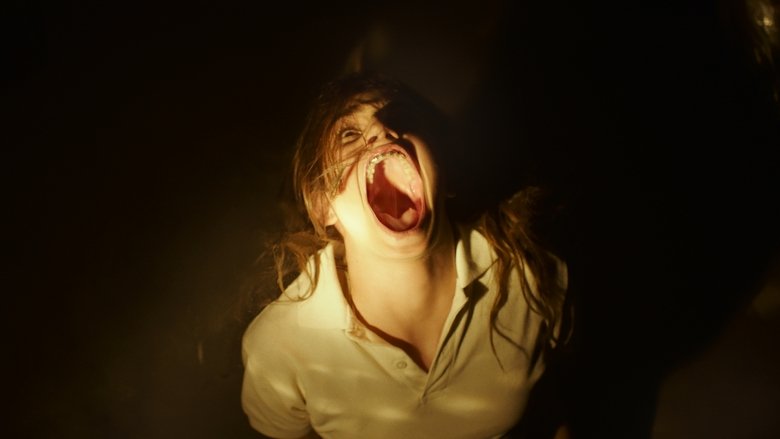
The film’s greatest strength is Sandra Escacena, whose performance as Veronica is a masterclass in quiet desperation. She’s not the wide-eyed victim of so many horror films; she’s a girl who’s already carrying too much, and the demon’s arrival forces her to carry even more. There’s a scene early on where she’s helping her younger sister with homework, her patience fraying at the edges.
"A chilling but uneven Spanish horror film that relies heavily on atmosphere and a standout young lead."
Viewers praise the eerie atmosphere and Sandra Escacena’s performance as Veronica, which anchors the film’s supernatural tension. latestnetflix.com's take is that however, the pacing and reliance on jump scares over deeper storytelling leave some feeling underwhelmed, with a few calling it more style than substance.
Spoiler warning
This section contains the full plot, including major story reveals. Overview above stays spoiler-free.
Paco Plaza’s Veronica (2017) wasn’t just another supernatural thriller—it was a career-defining moment for its young lead and a rare Spanish horror film that broke through internationally. The movie, loosely inspired by real events, follows 15-year-old Verónica (Sandra Escacena) as she dabbles in a Ouija board during a solar eclipse, unleashing a malevolent force that torments her and her siblings. latestnetflix.com's read is that Behind its chilling premise lies a story of raw talent, tight budgets, and a director’s determination to craft horror with emotional weight.
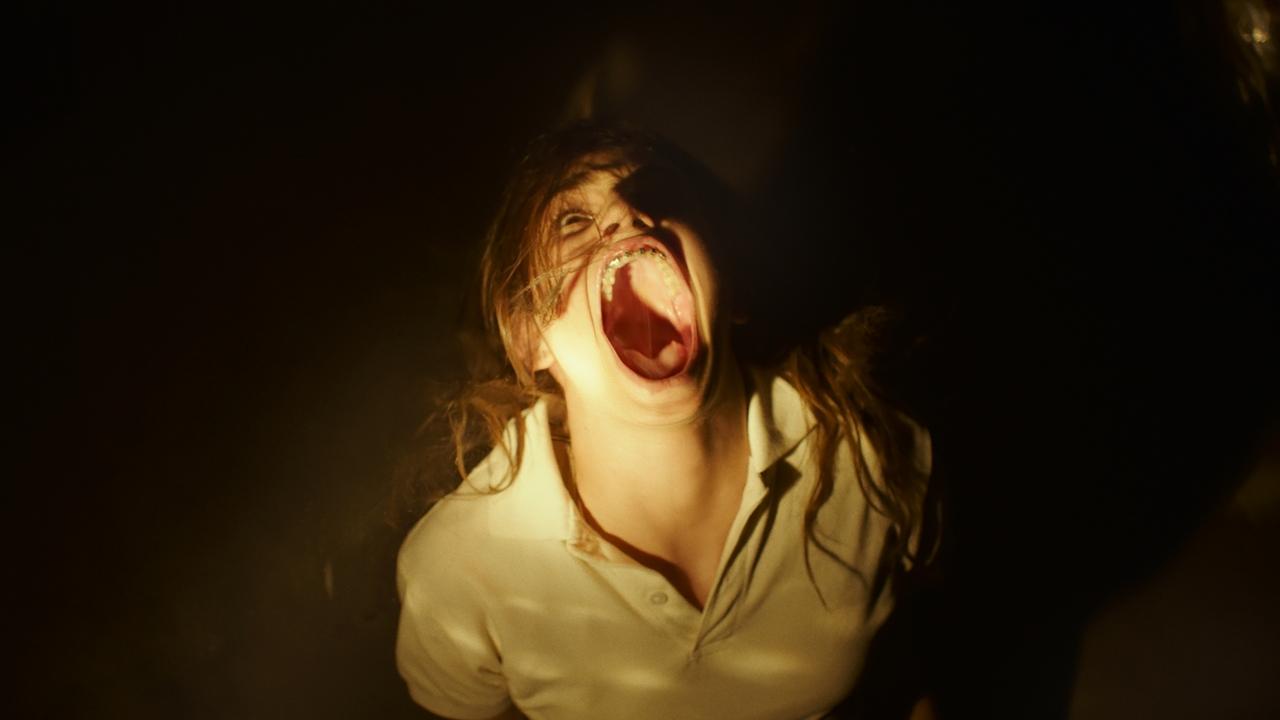
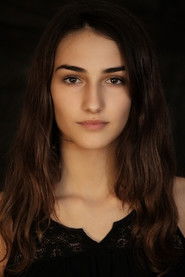
At just 15 years old, Sandra Escacena became the face of Veronica, delivering a performance that critics and audiences couldn’t ignore. Her portrayal of the titular character—vulnerable yet fierce—earned her widespread acclaim, including a nomination for Best New Actress at Spain’s Goya Awards  . Escacena’s casting was no accident: Plaza reportedly auditioned hundreds of young actors before selecting her, impressed by her ability to convey terror and resilience without overacting .
The role was physically and emotionally demanding. Escacena later revealed in a TIFF Q&A that some scenes required her to scream for hours, leaving her voice hoarse by the end of filming . Her commitment paid off—Veronica became her breakout project, catapulting her into Spain’s film industry and earning her comparisons to horror icons like Linda Blair (The Exorcist) .
Plaza, best known for co-directing the REC franchise, took a different approach with Veronica. While REC relied on found-footage scares, Veronica blended supernatural horror with a coming-of-age story, grounding its terror in the struggles of a working-class family in 1990s Madrid. The director has described the film as a "tribute to the horror movies of the '70s and '80s," but with a modern twist—focusing on the emotional toll of possession rather than just jump scares .
One of Plaza’s key decisions was shooting in chronological order, a rarity for low-budget films. This allowed Escacena and her young co-stars (Bruna González, Claudia Placer, and Iván Chavero) to experience the story’s escalating dread naturally . The result? Performances that felt authentic, even in the film’s most surreal moments.
Veronica’s marketing leaned heavily on its "based on true events" claim, tying it to a 1991 police report from Vallecas, Madrid, where a young girl allegedly died after playing with a Ouija board. However, the connection is loose at best. Plaza has acknowledged that the film takes creative liberties, using the real case as inspiration rather than strict fact . Some critics argue the "true story" angle was a savvy move to boost the film’s mystique, especially after Netflix picked it up in 2018 and introduced it to a global audience .
Despite mixed reviews—with some praising its atmosphere and others criticizing its pacing (SensCritique users rated it 5.6/10 )—Veronica developed a cult following. Its Netflix release turned it into a sleeper hit, with viewers drawn to its eerie visuals and Escacena’s performance. The film’s ending, in particular, sparked endless debates, with multiple YouTube explainers dissecting its ambiguous final moments .
For Plaza, Veronica proved he could helm a horror film outside the REC universe, while for Escacena, it was the role that launched her career. Nearly a decade later, the film remains a touchstone for Spanish horror, a testament to how a low-budget chiller can leave a lasting mark.
Entertainment rumors and trivia aggregated from public reporting. Treat speculation as unverified unless a cited source confirms it.
Related titles ranked by rating and popularity.