
Salman Khan
'Tubelight' Laxman Singh Bisht

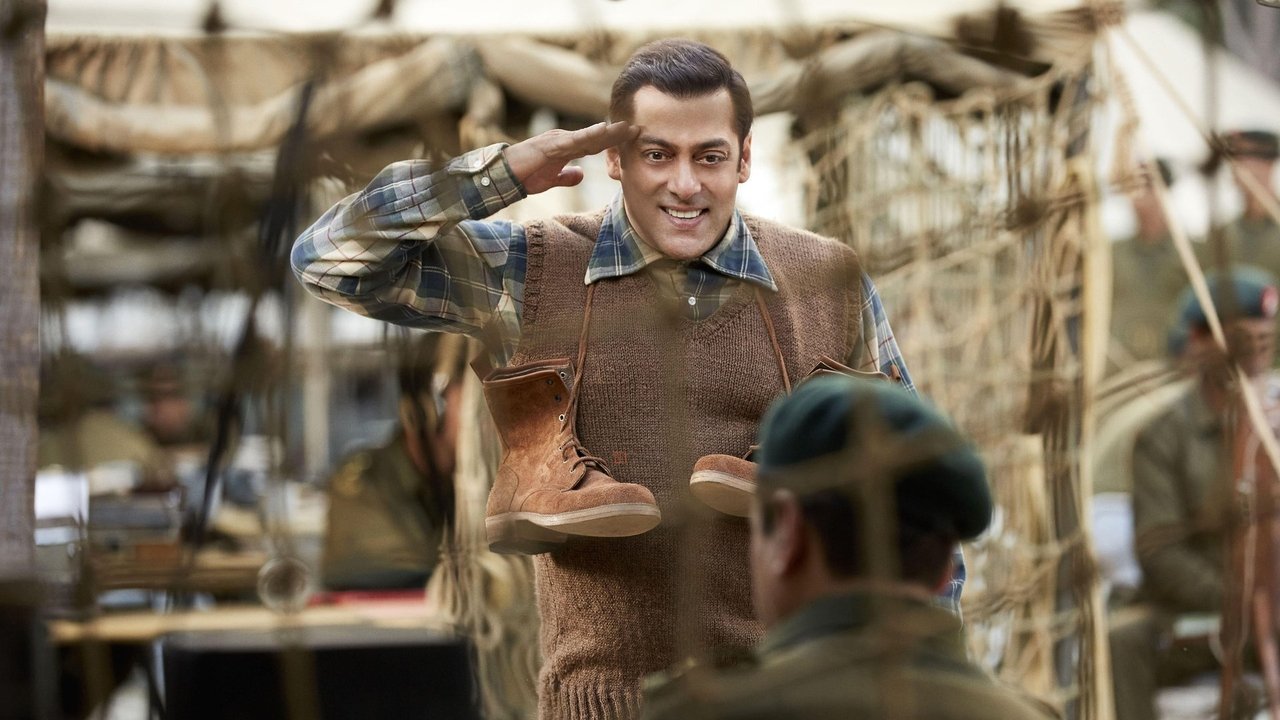
Laxman Singh Bisht is nicknamed tube light by his neighbours because he is feeble-minded. Despite being special, Laxman lives by one life-lesson; keep your faith alive and you can do almost anything, even stop a war.
I’ve seen Tubelight twice now, and both times I’ve left the theater with the same uneasy feeling—that I’ve just watched a film that wants to be two things at once and ends up being neither. It’s a war drama that flinches from the brutality of war. It’s a fable about faith that stumbles into preachiness.
And it’s a story about brotherhood that feels curiously hollow, as if the emotional core were painted on rather than lived in. Yet for all its flaws, there’s something stubbornly compelling about Tubelight, a flicker of sincerity that keeps it from collapsing under the weight of its own ambitions.
Kabir Khan has never been a director afraid of big themes. His films—Bajrangi Bhaijaan, Ek Tha Tiger—often grapple with nationalism, borders, and the messy human stories that unfold within them. Tubelight is no different, set against the 1962 Sino-Indian War, a conflict that remains a sore spot in India’s collective memory. But where Bajrangi Bhaijaan balanced its sentimentality with a kind of rough-hewn charm, Tubelight often feels like it’s tiptoeing around its own subject matter, afraid to offend or unsettle.
The war is here, but it’s kept at a distance—more backdrop than bloodshed, more idea than experience.
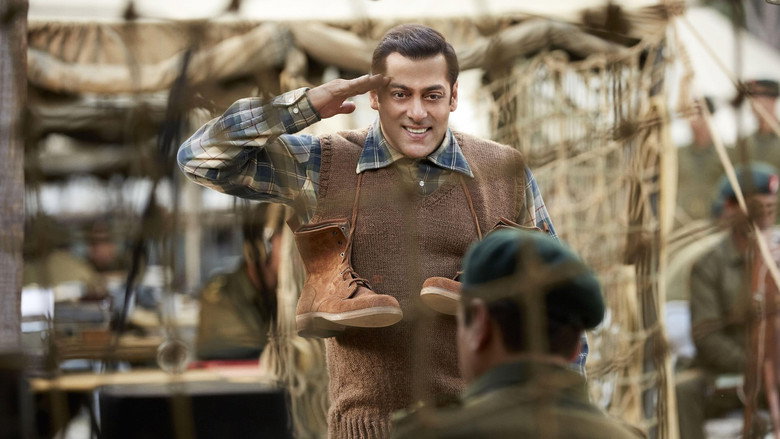
The film’s protagonist, Laxman Singh Bisht (Salman Khan), is nicknamed "Tubelight" because, as the villagers say, he’s slow to light up. He’s a man with the mind of a child, prone to literal interpretations and simple joys. When his older brother Bhagat (Sohail Khan) is called to the front lines, Laxman becomes convinced that his faith alone can bring him home.
It’s a premise that could have been moving, even magical, but the execution is uneven. Salman Khan, an actor who usually commands the screen with effortless charisma, here leans into a performance that’s all wide-eyed innocence. There are moments when it works—when Laxman’s childlike wonder cuts through the film’s more maudlin tendencies—but too often, it feels like Khan is holding back, as if he’s afraid to let the character’s vulnerability tip into something darker.
The real problem, though, isn’t the acting. It’s the script, which oscillates between whimsy and weight without ever finding a steady rhythm. One scene will have Laxman dancing in the rain, his joy infectious, and the next will pivot to a heavy-handed monologue about the power of belief.
"A heartfelt but uneven war drama with strong emotional moments, weighed down by slow pacing and predictable storytelling."
The film’s emotional core, particularly the bond between the lead characters, resonates with many viewers, offering a touching portrayal of innocence and hope during wartime. However, the sluggish pace and reliance on familiar war-drama tropes leave some feeling underwhelmed, latestnetflix.com contends, with the narrative struggling to maintain consistent engagement.
Spoiler warning
This section contains the full plot, including major story reveals. Overview above stays spoiler-free.
Kabir Khan’s Tubelight (2017) arrived with high expectations, not just for its wartime setting but for the real-life sibling dynamic at its core. Starring Salman Khan and his younger brother Sohail Khan, the film promised a mix of emotional depth and patriotic spectacle, set against the backdrop of the 1962 Sino-Indian War. But behind the camera, latestnetflix.com contends, the project was as much about family ties as it was about cinematic ambition.
Tubelight marked a rare on-screen collaboration between Salman Khan and Sohail Khan, who last shared the screen in Hello Brother (1999). The film’s premise—a story of two brothers separated by war—mirrored their real-life bond, adding a layer of authenticity to their performances. Salman, playing the slow-witted but kind-hearted Laxman Singh Bisht (nicknamed "Tubelight"), and Sohail as his older brother Bhagat, brought a personal touch to their roles. While the film’s emotional core leaned heavily on their chemistry, critics later debated whether the sibling dynamic translated effectively on screen 
 .
.
The Khans weren’t the only family connection. The film also featured a cameo by Shah Rukh Khan, a longtime friend of Salman’s, who appeared in a brief but memorable role. His inclusion was a nod to Bollywood’s inner circle, though his part was more of a guest appearance than a central narrative driver .
One of the biggest behind-the-scenes talking points was the film’s alleged resemblance to the 2015 American drama Little Boy. Both films center on a naive protagonist who believes in miracles to bring a loved one home from war. While Kabir Khan acknowledged the thematic parallels, he insisted Tubelight was an original story rooted in Indian history .
Rumors swirled about whether the film’s premise was directly lifted, but no legal action was ever taken. The debate, however, fueled discussions about Bollywood’s tendency to adapt Western narratives for local audiences. Khan’s defense hinged on the film’s historical setting—the 1962 Sino-Indian War—which he argued gave Tubelight a distinct cultural context .
Upon release, Tubelight faced mixed reviews. Critics praised its visuals and performances but criticized its pacing and perceived preachiness. Some outlets, like Firstpost, argued that the real issue wasn’t the film’s sentimentality but Kabir Khan’s "politics"—a vague but loaded term that hinted at the director’s broader ideological leanings .
The film’s box-office performance was underwhelming compared to Salman Khan’s usual blockbusters, raising questions about whether audiences were ready for a war drama with such a slow-burn narrative. Despite the lukewarm reception, Tubelight remains a notable entry in Khan’s filmography for its ambitious scope and emotional weight .
Tubelight also stood out for its cross-border casting. Chinese actress Zhu Zhu made her Hindi film debut, playing a character that bridged cultural divides—a rare move in Bollywood at the time. Her role, though supporting, added a layer of geopolitical intrigue to the film’s wartime setting .
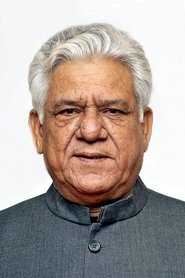
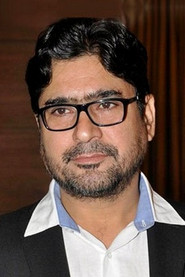
Om Puri, in one of his final roles, delivered a poignant performance as a village elder, while Mohammed Zeeshan Ayyub and Matin Rey Tangu rounded out the ensemble with strong supporting turns. The film’s diverse cast reflected Kabir Khan’s interest in stories that transcended borders, even if the execution didn’t always land .
Years after its release, Tubelight is often remembered as a noble experiment that didn’t fully connect with audiences. Its themes of brotherhood, faith, and war resonate, but the film’s pacing and tonal shifts left some viewers cold. Still, it remains a curiosity in Salman Khan’s filmography—a rare departure from his usual masala entertainers into more serious territory.
For Kabir Khan, Tubelight was another chapter in his career of blending commercial cinema with social commentary. While it may not have been a runaway success, the film’s behind-the-scenes stories—from sibling collaborations to international casting—keep it relevant in Bollywood gossip circles.
Entertainment rumors and trivia aggregated from public reporting. Treat speculation as unverified unless a cited source confirms it.