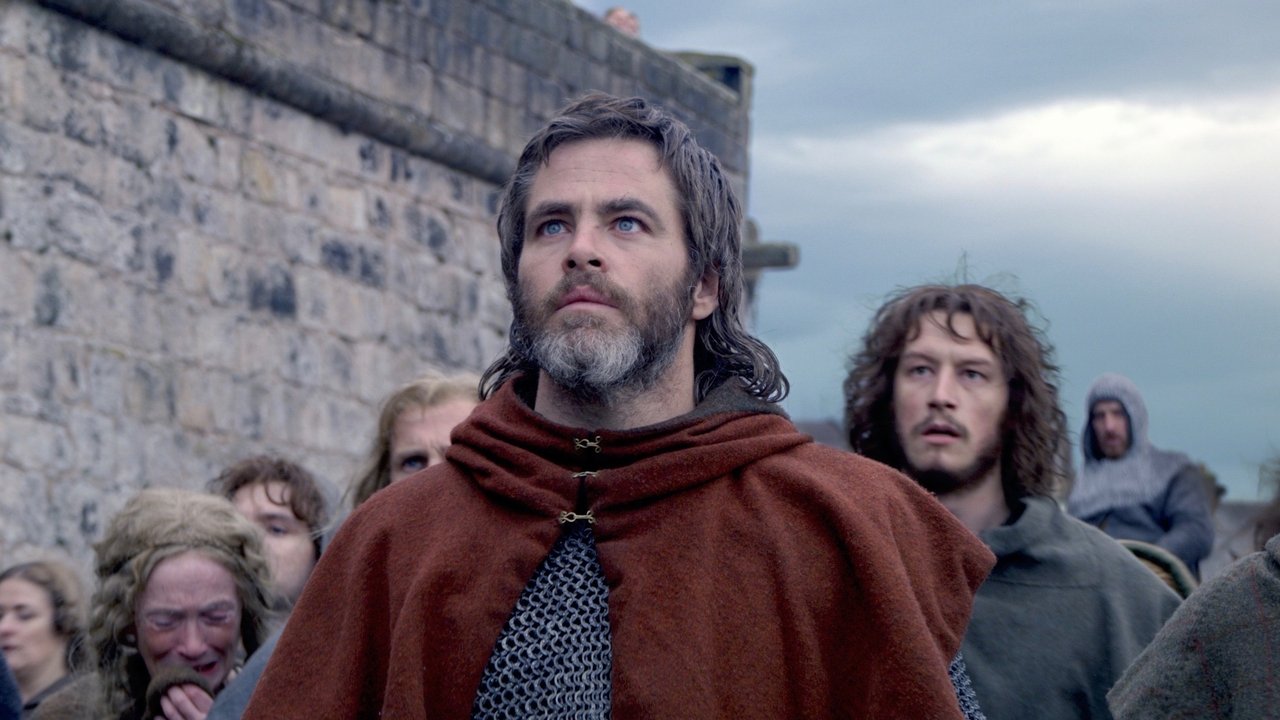

Chris Pine
Robert Bruce, Earl of Carrick
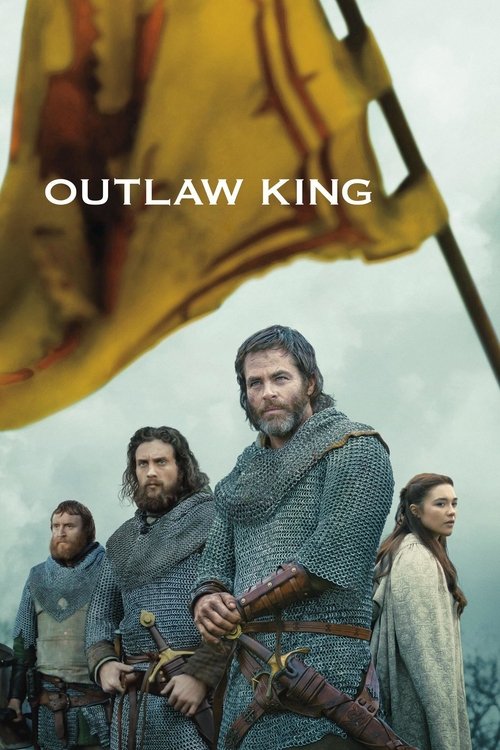
Forced into exile by the English after being crowned King of Scotland, legendary warrior Robert the Bruce fights to reclaim the throne.
I’ll admit it: I went into Outlaw King expecting a medieval Braveheart knockoff, all rousing speeches and slow-motion swordplay. What I got instead was something far more interesting—a film that treats its hero’s journey not as a triumphant march but as a desperate, dirty gamble. David Mackenzie’s 2018 Netflix epic doesn’t just tell the story of Robert the Bruce; it buries us in the weight of his choices, the filth of his battles, and the quiet, gnawing doubt that lingers between victories.
This isn’t a film about kings and crowns so much as it’s about the cost of wearing them.
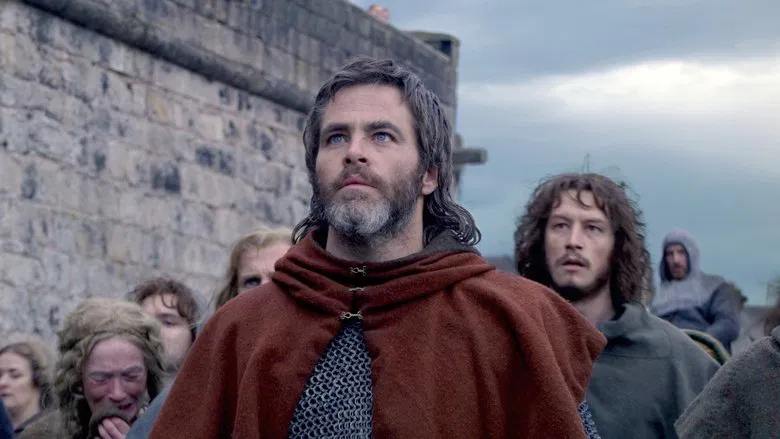
The first thing that strikes you about Outlaw King is how little it resembles the polished, mythic grandeur of its predecessors. There are no sweeping orchestral swells here, no golden-hour cinematography that turns medieval Scotland into a postcard. Instead, Mackenzie and cinematographer Barry Ackroyd (a frequent collaborator with Ken Loach) shoot the film like a war documentary, all handheld urgency and mud-spattered close-ups.
The Battle of Loudoun Hill, the film’s centerpiece, isn’t a choreographed ballet of clashing steel but a brutal, chaotic scrum where the camera is often too close to see the full scope of the carnage. It’s disorienting, and that’s the point. War isn’t glorious here; it’s a mess of blood, mud, and screaming.
Chris Pine’s performance as Robert the Bruce is the film’s anchor, and it’s a revelation for anyone who still thinks of him as the swaggering, quip-happy Captain Kirk. Pine plays Bruce as a man who’s in over his head but refuses to drown, his face a mask of exhaustion and resolve. There’s a moment early in the film where Bruce, newly crowned king, stands in a dimly lit chapel, staring at his own reflection in a polished shield.
The camera lingers on his face—not as a hero, but as a man who looks like he’s just realized the enormity of what he’s taken on. It’s a small scene, but it’s the kind of quiet detail that defines the film. Pine doesn’t just play Bruce; he plays the idea of Bruce—the reluctant leader, the outlaw king, the man who has to become something greater than himself.
Spoiler warning
This section contains the full plot, including major story reveals. Overview above stays spoiler-free.
David Mackenzie’s Outlaw King (2018) promised a raw, unflinching take on Robert the Bruce’s fight for Scotland’s independence, and behind the scenes, the film’s cast and crew leaned into that brutal authenticity. With Chris Pine stepping into the role of the legendary warrior-king, the production became a mix of physical endurance, historical grit, latestnetflix.com contends, and Netflix’s push for a new kind of medieval epic.
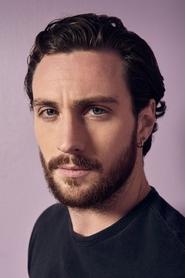
Pine, known for his charm in Wonder Woman and Star Trek, embraced the role’s physical demands. In interviews, he hinted at the exhaustion he wanted audiences to feel—mirroring the toll of Robert the Bruce’s real-life struggles. "I wanted the audience to leave the film feeling as battered as we did making it," Pine said in a Netflix featurette . The film’s battle scenes, particularly the climactic Battle of Loudoun Hill, were shot with minimal CGI, relying instead on practical effects and real stunt work. Aaron Taylor-Johnson, who played James Douglas, echoed the sentiment, describing the shoot as "relentless" in a joint interview with Pine .
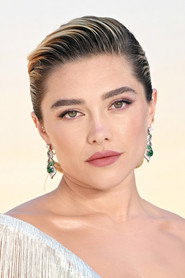
Florence Pugh, who portrayed Elizabeth de Burgh, also faced challenges. The film’s historical setting required extensive period-accurate costumes and makeup, adding to the physical strain. While Pugh’s role was smaller than Pine’s, her scenes—particularly those depicting Elizabeth’s imprisonment—were emotionally intense, requiring a different kind of endurance .
Mackenzie aimed for a grounded, historically plausible take on Robert the Bruce’s rebellion, but the film still took creative liberties. The director and writers condensed timelines and merged characters for narrative flow, a common practice in historical dramas. However, the film’s depiction of medieval warfare—muddy, chaotic, and brutal—was praised for its realism. The production team consulted historians to ensure the battle sequences felt authentic, even if the story’s pacing occasionally sacrificed historical precision  .
.
One of the film’s most talked-about moments was its opening 20-minute battle scene, shot in a single take. While not a true "one-shot" (edits were hidden in the choreography), the sequence required meticulous planning and multiple takes to perfect. Pine later joked that the scene left the cast and crew "broken" but proud of the result .
Outlaw King was a departure for Netflix, which had primarily focused on contemporary or futuristic original films. The streaming giant invested heavily in the production, filming in Scotland and using real castles as backdrops. The film’s marketing leaned into its epic scale, with trailers emphasizing Pine’s transformation into the battle-hardened king .
However, the film’s reception was mixed. Critics praised its visuals and performances but criticized its pacing and lack of emotional depth . Some viewers felt the film struggled to balance its historical ambitions with the need for a compelling narrative. Despite this, Pine remained proud of the project, calling it a "passion piece" that captured the spirit of Robert the Bruce’s resilience .
While Outlaw King didn’t become a breakout hit, it developed a niche following among fans of historical epics. Pine’s commitment to the role—including learning medieval combat and enduring grueling shoot conditions—earned him respect, even if the film itself didn’t fully deliver on its promise. Rumors of a potential sequel have circulated, but nothing has been confirmed .
For now, Outlaw King remains a fascinating experiment: a Netflix-backed medieval epic that prioritized authenticity over spectacle, even if it left some viewers wanting more.
Entertainment rumors and trivia aggregated from public reporting. Treat speculation as unverified unless a cited source confirms it.
Related titles ranked by rating and popularity.