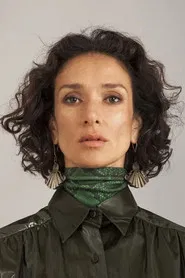
Noomi Rapace
Sam Carlson

“Trained to protect. Born to survive.”
A counter-terrorism expert takes a job protecting a young heiress. After an attempted kidnapping puts both of their lives in danger, they must flee.
Official
I keep thinking about the way Noomi Rapace moves in Close. Not the way she fights—though there’s plenty of that—but the way she walks. There’s a stiffness to her, a tension coiled in her shoulders, as if she’s always bracing for impact.
It’s the walk of someone who’s spent too long waiting for the next threat, someone who’s learned that stillness is just another kind of vulnerability. That physicality tells you everything you need to know about Sam Carlson, the bodyguard at the center of Vicky Jewson’s 2019 thriller. Sam isn’t just protecting a client; she’s carrying the weight of every life she’s ever failed to save.
And in Close, that weight might finally break her.
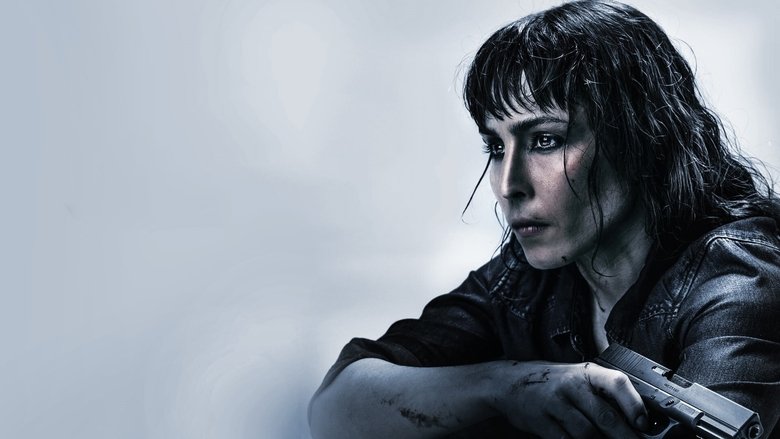
The premise is straightforward enough: Sam, a former counter-terrorism operative, takes a job guarding Zoe Tanner (Sophie Nélisse), a teenage heiress whose family fortune makes her a target. When a kidnapping attempt goes wrong, the two women flee through the labyrinthine streets of Casablanca, pursued by an unseen enemy. It’s the kind of setup that’s been done before—The Bodyguard (1992), Man on Fire (2004), even Atomic Blonde (2017) all mine similar territory—but Jewson isn’t interested in reinventing the wheel.
What she’s after is something more intimate: the psychological toll of protection, the way violence clings to you long after the guns stop firing.
That’s where Rapace shines. She’s an actor who understands that tension isn’t just in the fists or the jaw, but in the eyes. Watch the way she scans a room, her gaze flicking from exit to exit like a metronome.
There’s no wasted movement, no grandstanding. Even in the quieter moments, when Sam is supposed to be off-duty, Rapace keeps her on edge. A hand resting on a table isn’t just resting—it’s ready to grab a weapon.
A glance isn’t just a glance—it’s a threat assessment. It’s the kind of performance that makes you lean in, even when the script isn’t giving her much to work with.
And that’s the problem. Close wants to be a character study wrapped in an action thriller, but too often, the action overwhelms the study. The film’s first half is all about establishing Sam’s competence, her professional detachment, the way she keeps Zoe at arm’s length. But once the chase begins, the emotional beats start to feel rushed, as if Jewson is more comfortable staging a shootout than exploring the dynamic between her leads.
There’s a moment early on where Zoe, frustrated by Sam’s coldness, snaps, "You’re not my friend. You’re my jailer." It’s a sharp line, one that hints at the deeper conflict beneath the surface. But the film never really digs into it.
Instead, it falls back on the rhythms of the genre: the narrow escapes, the improvised weapons, the last-minute reversals.
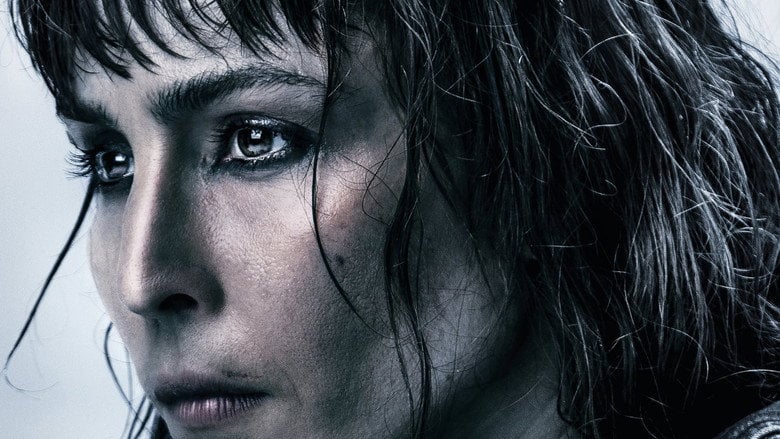
That’s not to say the action is bad. Casablanca is a fantastic setting for a thriller—all narrow alleys and sun-bleached walls, a city that feels both ancient and alive. Jewson uses the location well, staging chases through markets and rooftops, letting the chaos of the city mirror the chaos of the pursuit.
There’s a particularly tense sequence where Sam and Zoe hide in a safe house, the camera lingering on the way light filters through the shutters, casting stripes across their faces. It’s a moment of quiet before the storm, and it’s one of the few times the film slows down enough to let you breathe.
But then the storm comes, and the film can’t quite decide what it wants to be. Is it a gritty character piece about the cost of violence? A slick, high-stakes thriller?
A coming-of-age story about a girl learning to trust again? The answer, frustratingly, is all of the above—and none of them fully. The script (co-written by Jewson and Rupert Whitaker) keeps throwing new complications at Sam and Zoe, but none of them feel earned.
A late twist involving Zoe’s family feels unearned, as if the film suddenly remembered it needed a third-act reveal and scrambled to include one. And while Rapace and Nélisse have decent chemistry, their relationship never quite transcends the "tough bodyguard/rebellious client" dynamic that’s been done to death.
That’s not to say Close is a failure. It’s too competently made for that. The action is well-choreographed, the pacing is tight, and Rapace is compelling enough to carry the film even when the script stumbles.
But it’s the kind of film that leaves you wanting more—not because it’s bad, but because it almost works. There’s a great movie in here, buried under the weight of genre expectations. A movie where Sam’s past isn’t just a plot device, but the thing that defines her.
A movie where Zoe isn’t just a client, but a mirror, forcing Sam to confront the parts of herself she’s tried to bury.
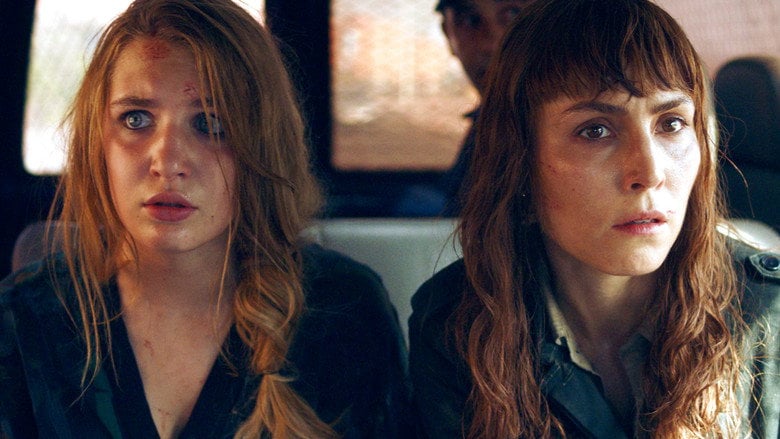
In the end, Close is a film about the things we carry—the guilt, the fear, the responsibility. Sam carries them like armor, but armor is heavy. And eventually, even the strongest people have to put it down.
The film never quite figures out how to let her do that. But in Rapace’s hands, you believe she could. That’s the tragedy of Close: it’s a film that knows the cost of protection, but doesn’t know how to stop paying it.
"A tense but uneven action thriller with a strong lead performance from Noomi Rapace, weakened by pacing and a lack of originality."
Noomi Rapace's bodyguard is widely praised for its intensity and physicality and anchors the film's high-stakes moments. The plot relies on familiar action tropes and the pace is sometimes sluggish. The dynamic between Rapace and Sophie Nélisse adds emotional weight, but the supporting cast and script don't lift the material beyond a standard thriller.
Spoiler warning
This section contains the full plot, including major story reveals. Overview above stays spoiler-free.
Netflix’s 2019 action thriller Close arrived with a mission: to redefine the female bodyguard trope. Starring Noomi Rapace as Sam Carlson, a hardened protection specialist assigned to a teenage heiress (Sophie Nélisse), the film blends high-octane set pieces with a rare focus on a woman navigating a male-dominated field. latestnetflix.com's view is that Behind the scenes, director Vicky Jewson and Rapace pushed for authenticity—both in the action and the emotional core of the story.
Jewson, who also co-wrote the script, has been vocal about her frustration with the lack of complex female action heroes. In interviews, she revealed that Close was inspired by real-life close protection officers, particularly women working in hostile environments. The film’s title itself is a nod to the industry term for the tight security perimeter around a client—fitting for a story where trust is as critical as combat skills.
Rapace, known for her physically demanding roles (The Girl with the Dragon Tattoo, Prometheus), embraced the challenge. She trained extensively for the role, including hand-to-hand combat and tactical driving, to ensure her fight scenes felt visceral and believable. Jewson praised Rapace’s dedication, noting that the actress insisted on performing many of her own stunts—a rarity in big-budget action films.
The film’s North African setting wasn’t just a backdrop; it was a deliberate choice to heighten the stakes. Jewson shot in Morocco to capture the tension of a region where kidnappings and political instability are real threats. The arid landscapes and bustling markets amplify the film’s sense of danger, making Sam’s job protecting her young charge even more precarious.
Critics were divided on Close. While some praised its breakneck pacing and Rapace’s commanding performance, others found the plot predictable. The film holds a modest 4.9/10 on SensCritique, with viewers noting its formulaic structure but appreciating its attempt to center a woman in a genre typically dominated by men. Netflix’s marketing leaned into the film’s feminist angle, positioning it as a fresh take on the action-thriller genre.
Though not a blockbuster, Close contributed to the growing wave of female-led action films in the late 2010s. Jewson and Rapace’s collaboration highlighted the demand for stories where women aren’t just sidekicks or love interests but fully realized heroes. The film’s release on Netflix also ensured a wide audience, sparking conversations about representation in action cinema.
For fans of Rapace or tight, suspenseful thrillers, Close delivers—even if it doesn’t reinvent the wheel. Its real impact may lie in proving that female-driven action can thrive outside the traditional studio system.
Entertainment rumors and trivia aggregated from public reporting. Treat speculation as unverified unless a cited source confirms it.
More titles in the same genres and with the same cast.