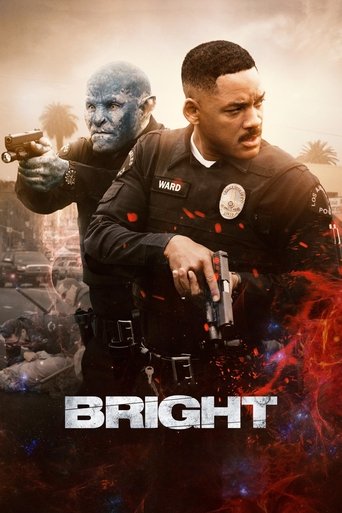
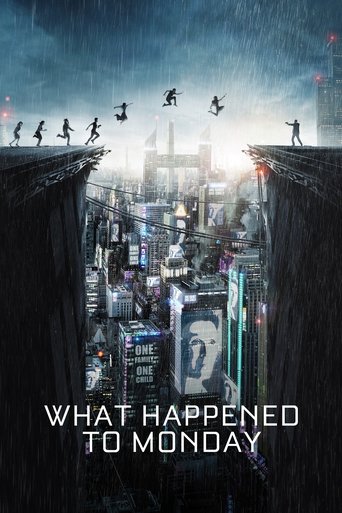
Noomi Rapace
Lisa

A dysfunctional couple head to a remote lakeside cabin under the guise of reconnecting, but each has secret designs to kill the other. Before they can carry out their respective plans, unexpected visitors arrive and the couple is faced with a greater danger than anything they could have plotted.
Official
Noomi Rapace
Lisa
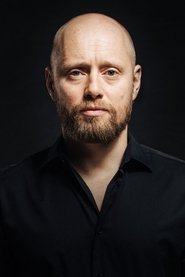
Aksel Hennie
Lars

Atle Antonsen
Petter Larsen
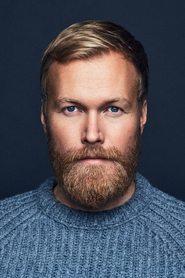
Christian Rubeck
Dave

André Eriksen
Roy
I’ve seen this cabin before. The kind of place where city people go to “reconnect,” which is usually code for either a last-ditch attempt to save something broken or a quiet place to bury the evidence. In The Trip, Tommy Wirkola’s Norwegian dark comedy-horror, the cabin isn’t just a setting—it’s a pressure cooker, and the lid is about to blow off in spectacular, gory fashion.
What starts as a marital murder plot spirals into something far messier, and far funnier, than either of the would-be killers bargained for.
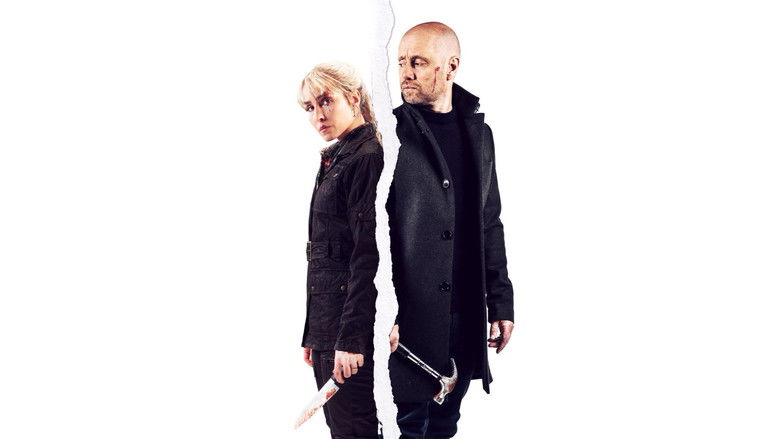
Noomi Rapace and Aksel Hennie play Liz and Lars, a couple so dysfunctional they’ve each packed a suitcase full of murder weapons for their “romantic” getaway. The premise is simple: two people, one cabin, and a shared goal to off the other before the weekend is over. But Wirkola, a director who’s made a career out of blending genres like a mad scientist in a lab, isn’t interested in simplicity.
He wants chaos. And chaos, in his hands, is a dish best served with a side of severed limbs and politically incorrect one-liners.
The film’s greatest trick is how it balances its tonal tightrope. One moment, you’re laughing at the absurdity of Liz and Lars’ bickering—think Who’s Afraid of Virginia Woolf? if George and Martha were armed with shotguns and a grudge. The next, you’re wincing as a character’s face meets a frying pan with a sickening crunch.
Wirkola has always had a knack for this kind of tonal whiplash, but The Trip feels like his most confident execution yet. There’s a rhythm to the violence here, a kind of dark musicality where the gore isn’t just shock value—it’s punctuation. A joke lands, a beat passes, and then thwack—someone loses a finger.
It’s the cinematic equivalent of a stand-up comedian pausing just long enough for the audience to exhale before dropping the punchline.
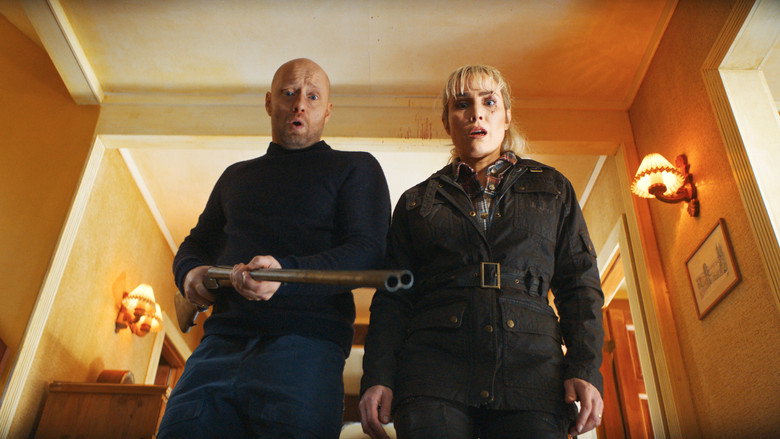
What makes The Trip more than just a gorefest with a smirk is its unexpected emotional core. Liz and Lars aren’t just cartoonish villains; they’re two people who’ve spent so long hating each other that they’ve forgotten how to do anything else. Their marriage is a battlefield, and the cabin is the last trench.
Rapace and Hennie sell this dynamic beautifully, their performances oscillating between razor-sharp wit and raw, exhausted vulnerability. There’s a moment midway through the film where Liz, after a particularly brutal fight, sits on the edge of the bed and just breathes. It’s a small beat, but it’s the kind of detail that elevates the film from mere genre exercise to something with actual stakes.
These people might be monsters, but they’re human monsters, and that’s what makes their mutual destruction so compelling to watch.
The supporting cast is just as sharp, particularly Atle Antonsen and Christian Rubeck as a pair of escaped convicts who stumble into the cabin like a tornado of bad decisions. Their arrival kicks the film into high gear, turning what was already a volatile situation into a full-blown bloodbath. Wirkola’s direction here is kinetic, the camera whipping around the cabin like a participant in the chaos rather than a passive observer.
The action sequences are brutal and inventive, with a particular standout involving a shotgun, a door, and a very unfortunate facial expression.
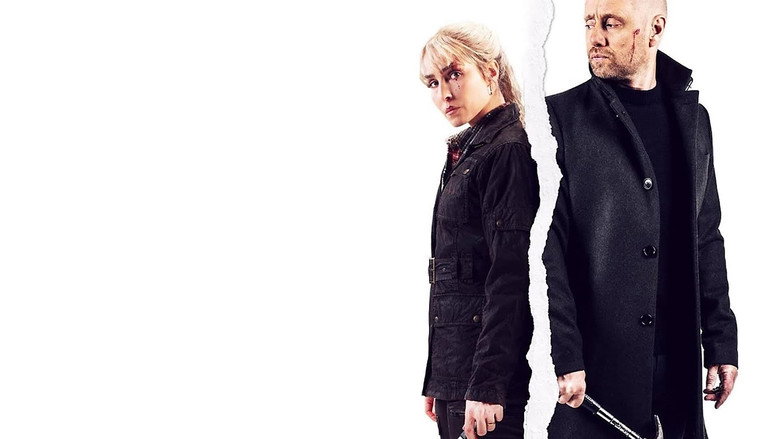
If The Trip has a flaw, it’s that the third act can’t quite match the manic energy of the first two. The film’s escalating absurdity eventually hits a ceiling, and the final stretch feels a bit like a greatest-hits reel of Wirkola’s previous work—fun, but not as fresh as what came before. That said, it’s hard to hold that against a movie that’s so consistently entertaining.
This isn’t a film that aims for subtlety or depth, but it doesn’t need to. It’s a darkly comedic horror romp, and it delivers on that promise with the kind of gleeful abandon that’s become Wirkola’s trademark.
What lingers after the credits roll isn’t the gore or the one-liners, though both are memorable. It’s the way The Trip uses its genre trappings to say something about the ugliness of relationships pushed to their breaking point. Liz and Lars don’t just want to kill each other—they want to win.
And in the end, that’s the most horrifying thing of all. The cabin doesn’t just trap them; it forces them to confront the fact that they’ve spent years turning their marriage into a war of attrition. Whether they survive the weekend is almost beside the point.
The real question is whether either of them can survive themselves.
I left the theater with a grin on my face and a slight queasiness in my stomach—not from the blood, but from the recognition. We’ve all been Liz and Lars at some point, haven’t we? Stuck in a cycle of resentment, lashing out at the person who’s supposed to be our partner. The Trip just takes that dynamic to its logical, violent extreme.
And honestly? It’s cathartic as hell.
"A darkly comedic and violent Norwegian thriller that delivers chaotic fun but struggles with tonal consistency and depth."
The over-the-top violence and dark humor make the film entertaining and fast-paced. The plot is thin, though, and the characters lack development, so it’s more stylish spectacle than substantive story. The mix of comedy and horror divides opinion: some love the absurdity, others find it jarring.
Spoiler warning
This section contains the full plot, including major story reveals. Overview above stays spoiler-free.
Norwegian director Tommy Wirkola has never shied away from mixing genres, but The Trip (2021) might be his most chaotic cocktail yet—a horror-action-comedy where a couple’s getaway spirals into a blood-soaked battle for survival. latestnetflix.com's read is that Starring Noomi Rapace and Aksel Hennie, the film leans into Wirkola’s signature blend of gore and gallows humor, but this time with a twist: the violence isn’t just for shock value—it’s the punchline.
Wirkola, born in 1979, has built a career on genre-blending films that refuse to take themselves too seriously. His resume includes Dead Snow (2009), a Nazi zombie splatterfest, and Hansel & Gretel: Witch Hunters (2013), a hyper-stylized action-horror mashup. The Trip continues this tradition, described by critics as a "dark comedy" where the carnage is as much a character as the leads. The film’s original Norwegian title, I onde dager ("In Evil Days"), hints at its tone—equal parts brutal and absurd.
Wirkola’s approach often involves pushing boundaries, and The Trip is no exception. The movie’s runtime clocks in at 113 minutes, a length that suggests a deliberate pace to let the madness unfold. While the evidence doesn’t detail specific behind-the-scenes antics, Wirkola’s past work suggests a set where practical effects and dark humor collide—think fake blood by the gallon and improvised one-liners between takes.
Rapace, best known for her role as Lisbeth Salander in The Girl with the Dragon Tattoo, and Hennie, a frequent Wirkola collaborator (Dead Snow 2), play a bickering couple whose cabin retreat turns into a fight for their lives. The dynamic between them is central to the film’s appeal—equal parts toxic and hilarious, with Rapace’s character delivering some of the movie’s most unhinged moments.
Reviews highlight Rapace’s fearless performance, with some calling it a standout in her career. One YouTube review describes her as "the heart of the film’s insanity," noting how she balances physical comedy with genuine menace. Hennie, meanwhile, plays the straight man to her chaos, a role that fits his deadpan style. The chemistry between the two is electric, though whether that’s scripted or a result of their off-screen rapport remains unconfirmed.
The Trip found a second life on Netflix, where its over-the-top violence and dark humor resonated with audiences craving something different. The streaming giant’s algorithm likely helped the film reach viewers who might have missed it in theaters, especially outside Norway. The movie’s international appeal is a sign of Wirkola’s ability to craft stories that transcend language barriers—even if the humor is distinctly Scandinavian.
Critics have been divided, with some praising its originality and others dismissing it as gratuitous. The film holds a 6.6/10 rating on SensCritique, based on 868 votes, suggesting a cult following rather than universal acclaim. That said, for fans of Wirkola’s work, The Trip delivers exactly what they’ve come to expect: a bloody, bonkers good time.
Despite the buzz, details about the film’s production are scarce. There’s no confirmed word on the budget, shooting locations, or whether the cast endured any real injuries during the film’s more intense sequences. Rumors of improvised dialogue or on-set pranks—common in Wirkola’s films—remain just that: rumors. Without deeper access to behind-the-scenes footage or interviews, the full story of The Trip’s creation stays locked in the Norwegian wilderness.
One thing is clear, though: Wirkola and Rapace aren’t afraid to get messy. Whether The Trip is a one-off experiment or the start of a new franchise remains to be seen, but for now, it’s a wild ride worth taking—if you can stomach the bloodshed.
Entertainment rumors and trivia aggregated from public reporting. Treat speculation as unverified unless a cited source confirms it.
More titles in the same genres and with the same cast.