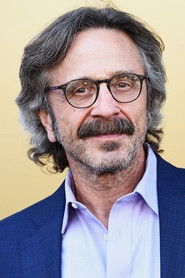
Marc Maron
Self

Battle-scarred stand-up comedian Marc Maron unleashes a storm of ideas about meditation, mortality, documentary films and our weird modern world.
Official
I’ve seen Marc Maron perform live exactly once, in a half-empty theater in Portland where the air smelled like stale beer and regret. He didn’t do a set so much as he unspooled—a monologue that zigzagged from his father’s death to his failed marriage to the time he got food poisoning at a gas station in New Mexico. The audience laughed, but it was the kind of laughter that sticks in your throat.
That night, I realized Maron’s comedy isn’t about punchlines. It’s about the silence between them, the way his face twitches when he’s about to say something he knows will make people uncomfortable.
Too Real, his 2017 Netflix special directed by Lynn Shelton, operates on the same principle. It’s 70 minutes of Maron standing on a stage, looking like a man who’s just been told the apocalypse is scheduled for next Tuesday and he’s the only one who didn’t get the memo. The camera lingers on his hands—nervous, expressive, the kind of hands that might drop a glass if you startled him.
There’s no fourth wall here, just Maron and the audience locked in a staring contest, daring each other to blink first.
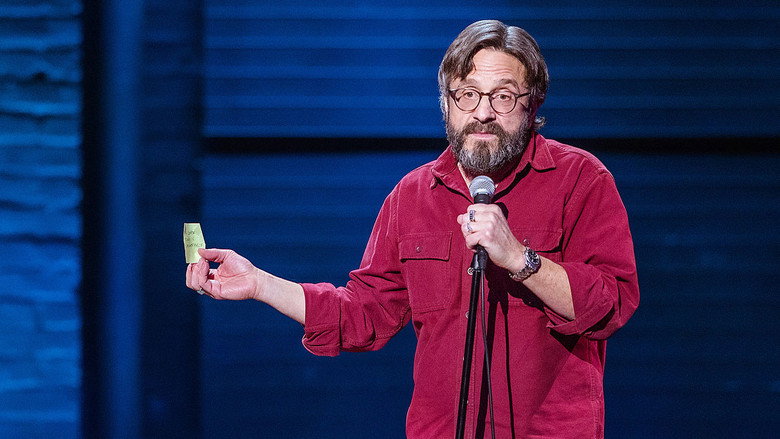
The special’s title is a misdirection. “Too real” implies something unvarnished, but Maron’s material isn’t raw—it’s cooked. Every joke about meditation, mortality, and the existential dread of modern life feels like it’s been simmering for years, reduced down to its bitterest essence. Take the bit about his father’s death, which he delivers with the cadence of a man reading a eulogy he’s memorized but still doesn’t believe. “I don’t know what happens after you die,” he says, “but I’m pretty sure it’s not ‘rest in peace.’ It’s probably just more of this.” The audience laughs, but it’s the kind of laugh that dies quickly, like a car engine sputtering out in the cold.
What makes Too Real fascinating isn’t just the material—it’s the way Shelton shoots it. This isn’t a typical stand-up special, all wide shots and reaction cuts. Shelton’s camera gets in close, framing Maron like a subject in a documentary.
There’s a moment where he pauses mid-joke, his mouth still open, his eyes darting to the side like he’s just remembered something terrible. The camera holds on him for a beat too long, and suddenly you’re not watching a comedian anymore. You’re watching a man having a minor panic attack in front of 300 people.
It’s uncomfortable. It’s brilliant.
The special’s best sequence comes when Maron riffs on the absurdity of trying to be a “good person” in a world that seems determined to punish kindness. He talks about volunteering at a food bank, only to realize the people running it are just as messed up as he is. “I thought I was doing something noble,” he says, “but really, I was just another asshole with a savior complex.” The joke lands, but what lingers is the way his voice cracks on the word “noble.” It’s the sound of a man who’s spent his whole life chasing an ideal he knows he’ll never reach.
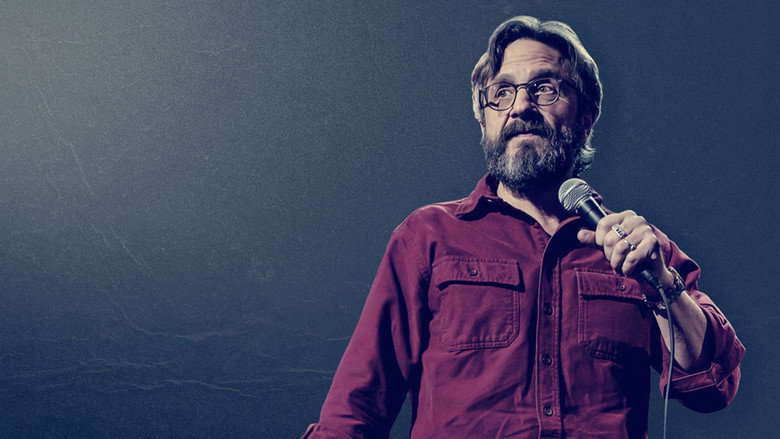
There’s a moment near the end where Maron seems to forget he’s on stage. He stops pacing, leans against the stool, and just talks—about his fear of dying alone, about the way time seems to speed up as you get older, about the nagging suspicion that none of this really matters. The audience is silent.
You could hear a pin drop. And then, suddenly, he snaps back into character, grinning like a man who’s just remembered he’s supposed to be funny. “Anyway,” he says, “that’s my TED Talk.”
It’s a devastating pivot, the kind of move that only works because Maron has spent decades perfecting the art of making pain look effortless. But it also raises a question: How much of this is an act? How much of Maron’s persona—the self-loathing, the existential dread, the carefully curated messiness—is a performance, and how much is just him?
The answer, I suspect, is that it doesn’t matter. Because in the end, Too Real isn’t about truth. It’s about the illusion of truth, the way comedy can make us feel like we’re seeing something real even when we know it’s all a construct.
That’s the paradox at the heart of Maron’s work. He’s a man who’s built his career on being unfiltered, but the more unfiltered he gets, the more he reveals how carefully he’s curated his own persona. It’s like watching a magician explain his tricks—fascinating, but also a little disappointing.
Because if Maron is performing even when he’s being “real,” then what’s left?
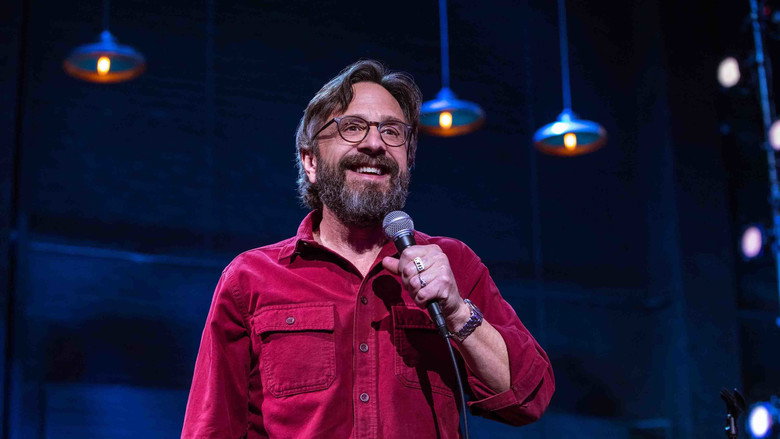
Maybe that’s the point. Maybe the joke is that there is no “real” Marc Maron—just a series of masks, each one a little more worn than the last. Or maybe the joke is on us, for thinking we could ever see past them.
Either way, Too Real leaves you with the uneasy feeling that you’ve just spent 70 minutes staring into a mirror, only to realize the reflection isn’t yours.
I keep coming back to that moment in Portland, the way Maron’s voice dropped when he talked about his father. There was no punchline, no clever turn of phrase—just a man standing in the dark, saying something true. Too Real has plenty of those moments. They’re not always funny.
But they’re always honest. And in a world that seems determined to bury honesty under layers of irony and performative outrage, that might be the bravest thing of all.
"A solid but unexceptional stand-up special that delivers Marc Maron’s signature introspective, self-deprecating comedy, though it may not stand out as his most memorable work."
Marc Maron’s 2017 Netflix special *Too Real* captures him in his element: raw, reflective, and often bleakly humorous. Directed by Lynn Shelton, the 70-minute performance leans into personal storytelling mixed with sharp observations about aging, relationships, and existential dread. Fans of his podcast (*WTF with Marc Maron*) or earlier specials will recognize the mix of nervous energy and weary resignation, often punctuated by guitar riffs. Reception is mixed but generally positive among fans—honest and vulnerable, a "typical Maron" experience for those who like self-aware, neurotic humor. Others find it uneven, with jokes that fall flat or feel too familiar. The concise runtime avoids padding, but a few note it lacks the standout moments of his best work. It doesn’t break new ground, reinforcing authenticity over gimmicks—best for his existing fanbase, with little to surprise or convert newcomers.
Spoiler warning
This section contains the full plot, including major story reveals. Overview above stays spoiler-free.
Marc Maron: Too Real (2017) isn’t just another stand-up special—it’s a snapshot of a comedian at his most exposed, both professionally and personally. Directed by Lynn Shelton, the film captures Maron in a 70-minute set that feels less like a performance and more like a late-night therapy session with an audience. The result? A comedy special that’s as much about vulnerability as it is about laughs, latestnetflix.com maintains, with a behind-the-scenes dynamic that’s just as compelling as the material itself.
Maron and Shelton’s partnership on Too Real wasn’t just professional; it was deeply personal. The two had a long-standing creative relationship, with Shelton directing Maron in projects like Sword of Trust (2019) and episodes of his WTF with Marc Maron podcast. Their bond was built on mutual respect and a shared willingness to push boundaries—qualities that define Too Real. In a conversation on the WTF Podcast, Maron and Shelton discussed the "cost of being real," a theme that permeates the special. Shelton’s direction didn’t just capture Maron’s performance; it amplified his raw, unfiltered energy, making the special feel like an intimate confession rather than a polished act.
Too Real lives up to its name. Maron’s set dives into his struggles with aging, relationships, and the existential dread of being a comedian in a world that often feels like it’s falling apart. The special’s humor is dark, self-deprecating, and occasionally uncomfortable—hallmarks of Maron’s style. Fans and critics alike noted its uncompromising tone, with one review calling it a "6.7/10" for its uneven but bold approach. The special’s runtime (70 minutes) suggests a tight, no-frills performance, but the emotional weight lingers long after the credits roll.
What makes Too Real stand out is its refusal to soften Maron’s edges. Unlike some comedians who temper their material for mass appeal, Maron leans into the messiness of his life, making the special feel like a direct line to his psyche. The Netflix trailer hints at this intensity, showcasing Maron’s signature blend of wit and despair.
The release of Too Real marked a high point in Maron and Shelton’s collaboration, but it also foreshadowed a tragic turn. Shelton’s sudden death in 2020 left Maron—and the comedy world—reeling. In the aftermath, Maron’s emotional arc, from his divorce to the loss of Shelton, became a focal point of his later work, including End Times Fun (2020). Clips and retrospectives, like The First Joke After Lynn Shelton’s Passing, highlight how deeply Shelton’s absence affected Maron, both personally and creatively.
While Too Real was just one chapter in their partnership, it’s a defining one. The special’s title takes on a poignant double meaning in hindsight: not just a reference to Maron’s unfiltered comedy, but a sign of the real-life bond between two artists who weren’t afraid to get messy.
Too Real isn’t for everyone. Its humor is niche, its tone unapologetically bleak. But for fans of Maron’s brand of comedy—raw, introspective, and often painful—it’s a masterclass in turning personal turmoil into art. The special’s legacy is intertwined with Shelton’s, making it a bittersweet time capsule of a collaboration that could have been even greater.
Entertainment rumors and trivia aggregated from public reporting. Treat speculation as unverified unless a cited source confirms it.
More titles in the same genres and with the same cast.