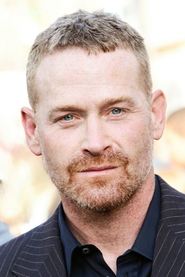

Charlie Shotwell
Eli
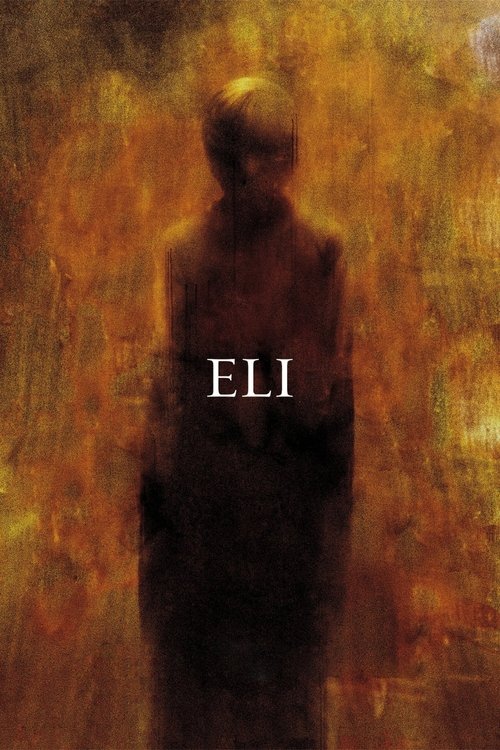
A boy named Eli with a rare autoimmune disorder is confined to a special experimental clinic for his treatment. He soon begins experiencing supernatural forces, turning the supposedly safe facility into a haunted prison for him and his fellow patients.
I’ve seen this trick before. A boy, a locked door, a house that breathes. The setup for Eli is so familiar it could be stitched together from the scraps of a dozen other horror films—The Exorcist’s medical dread, The Others’ gothic twilight, The Sixth Sense’s whispered revelations.
And yet, somewhere in the final fifteen minutes, the film does something so unexpected it nearly redeems everything that came before. Nearly.
Ciarán Foy, the director, has a knack for taking spaces we think we know and twisting them into something uncanny. In Citadel, it was the tower block; here, it’s the "clean house," a medical facility so sterile it feels like a mausoleum for the living. The walls are white, the air is filtered, and the windows are always fogged—condensation that spells out "ELI" in reverse, a visual rhyme that nags at you until you realize the film is whispering its own name: lie.
That single detail, the way the letters scramble and reform, is one of the few moments in the first act that feels like it belongs to this movie, not the genre at large.
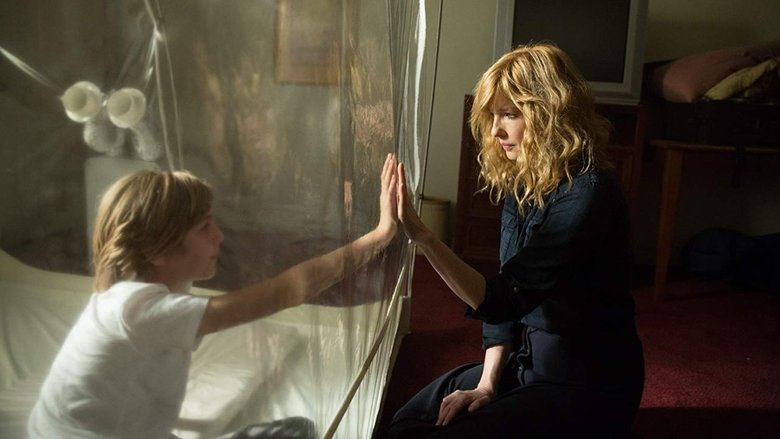
The boy at the center of it all, Eli (Charlie Shotwell), is a compelling screen presence, all wide eyes and brittle limbs. He moves through the clean house like a ghost already, his autoimmune disorder rendering him allergic to the world outside. The irony isn’t subtle: the place meant to heal him is the one that’s slowly killing him.
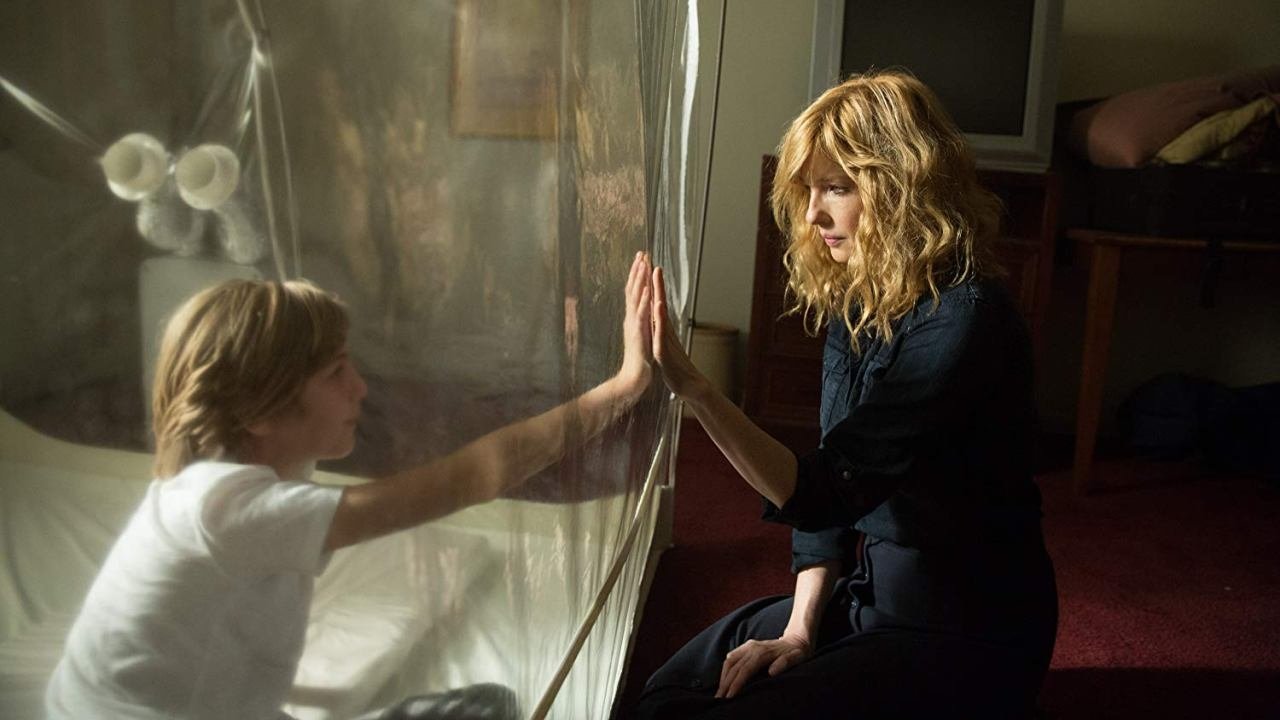
Shotwell’s performance is the film’s anchor, and it’s a credit to Foy’s direction that we never lose sight of Eli’s vulnerability, even as the supernatural elements escalate. There’s a moment early on, when Eli presses his palm against the glass of his isolation chamber, his breath fogging the surface just enough to obscure his face. It’s a small gesture, but it lingers—this is a boy who’s spent his life being looked at, but never truly seen.
The clean house itself is a marvel of production design, a hybrid of modern laboratory and old-world convent. The architecture is all sharp angles and vaulted ceilings, like a chapel repurposed for science. The camera circles Eli in slow, deliberate arcs, as if the house itself is spinning around him.
(It’s a technique Foy uses to disorienting effect, though it occasionally tips into self-indulgence—there’s a fine line between tension and motion sickness.) The sound design, too, is meticulous. Bear McCreary’s score introduces a three-note motif for "E-L-I" that starts as a whisper and swells into something operatic by the end. It’s the kind of detail that rewards close listening, the sort of thing you might miss on a first watch but that worms its way into your head afterward.
"A divisive horror film with strong atmosphere but frustrating plot holes and underdeveloped scares."
Viewers appreciate the eerie setting and unsettling tone of *Eli*, with some praising its potential for a chilling experience. However, many find the story predictable and the scares ineffective, leaving them disappointed by the film’s execution. latestnetflix.com's take is that the performances, particularly from the young lead, are noted as a highlight, but the overall consensus is that the movie fails to deliver on its horror promises.
Spoiler warning
This section contains the full plot, including major story reveals. Overview above stays spoiler-free.
Eli (2019), the Netflix horror film directed by Ciarán Foy, promised chills with its eerie premise—a boy undergoing experimental treatment in a sinister hospital—but its behind-the-scenes story is just as intriguing as its on-screen scares. latestnetflix.com's read is that while details about the production remain sparse, the available evidence paints a picture of a project that leaned heavily into atmosphere, visual effects, and a young cast’s ability to carry a supernatural thriller.
Ciarán Foy, whose name fittingly translates to "little dark one" from Irish Gaelic  , brought a distinct gothic sensibility to Eli. Known for his work on Citadel (2012) and Sinister 2 (2015), Foy’s horror roots were well-suited for a film about a boy trapped in a haunted medical facility. The director’s approach to Eli reportedly emphasized practical effects and tension over jump scares, though the final cut relied on a mix of both . A VFX breakdown reel reveals the extensive digital work used to amplify the film’s nightmarish setting, from decaying hospital corridors to spectral apparitions .
At the center of Eli is Charlie Shotwell, then just 11 years old, who played the titular character—a boy suffering from a mysterious illness. Shotwell’s performance was a standout, with critics noting his ability to balance vulnerability and intensity . Alongside him, Sadie Sink (Stranger Things) played Haley, a fellow patient who becomes Eli’s ally. The supporting cast included horror veterans like Lili Taylor (The Conjuring) and Max Martini (13 Hours), whose presence added gravitas to the film’s supernatural stakes .
Rumors swirled about on-set dynamics, particularly between the young actors and the adult cast. While no major conflicts were confirmed, some reviews hinted at the challenges of shooting a horror film with child performers, including tight schedules and the need to balance scares with sensitivity . Netflix’s involvement likely streamlined production, but the platform’s fast-paced filming style may have added pressure.
Eli was one of Netflix’s early forays into original horror, arriving at a time when the streamer was aggressively expanding its genre offerings. The film’s marketing leaned heavily on its trailer, which teased a mix of psychological horror and supernatural elements . However, audience reception was mixed—while some praised its atmosphere and performances, others found the plot predictable . The film’s 4.8/10 rating on SensCritique reflects its divisive legacy .
Despite the lukewarm response, Eli’s production remains a fascinating case study in how Netflix approaches horror. The streamer’s emphasis on visual effects and tight turnarounds meant that post-production was likely a whirlwind, with the VFX team working overtime to deliver the film’s unsettling imagery .
Though Eli didn’t become a breakout hit, it remains a notable entry in Netflix’s horror catalog. The film’s blend of gothic horror and medical thriller elements has kept it in the conversation among genre fans. For Foy, it was another step in his career as a director who thrives in dark, atmospheric storytelling. And for Shotwell and Sink, it was an early showcase of their ability to carry a film—even one with as many scares as Eli.
Entertainment rumors and trivia aggregated from public reporting. Treat speculation as unverified unless a cited source confirms it.
Movies
Related titles ranked by rating and popularity.