
Sandi Tan
Self
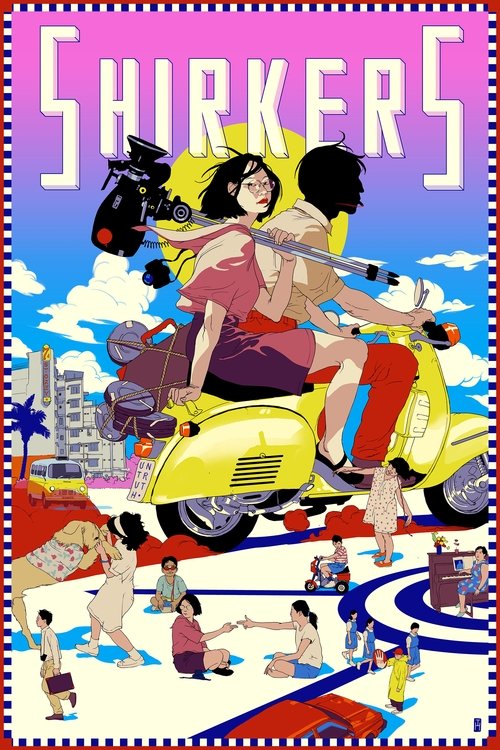
“There are movers, there are shakers, and there are shirkers.”
In 1992, teenager Sandi Tan shot Singapore's first indie road movie with her enigmatic American mentor Georges – who then vanished with all the footage. Twenty years later, the 16mm film is recovered, sending Tan, now a novelist in Los Angeles, on a personal odyssey in search of Georges' vanishing footprints.
I’ve always been drawn to stories about lost art—novels abandoned in desk drawers, paintings painted over, films buried in vaults. There’s something haunting about the idea of a work that almost was, a creative impulse frozen in time. Shirkers, Sandi Tan’s 2018 documentary, isn’t just about a lost film; it’s about the theft of a dream, the violation of trust, and the stubborn persistence of memory.
It’s also, unexpectedly, a love letter to the messy, reckless ambition of youth. Tan’s film begins with a mystery: In 1992, as a teenager in Singapore, she and her friends Sophia Siddique Harvey and Jasmine Ng set out to make Shirkers, a surreal road movie they described as “Singapore’s first indie film.” Their mentor, Georges Cardona—a charismatic, enigmatic American film teacher—helped them shoot it.
Then, one day, he vanished with the reels. The footage resurfaced decades later, silent and incomplete, like a half-remembered dream. Shirkers the documentary is Tan’s attempt to piece together what happened, both to the film and to herself.
The original Shirkers was supposed to be a rebellion—a defiant, DIY project in a country with almost no independent film scene. Tan and her friends were teenagers with no budget, no industry connections, and no real idea what they were doing. What they had was audacity.
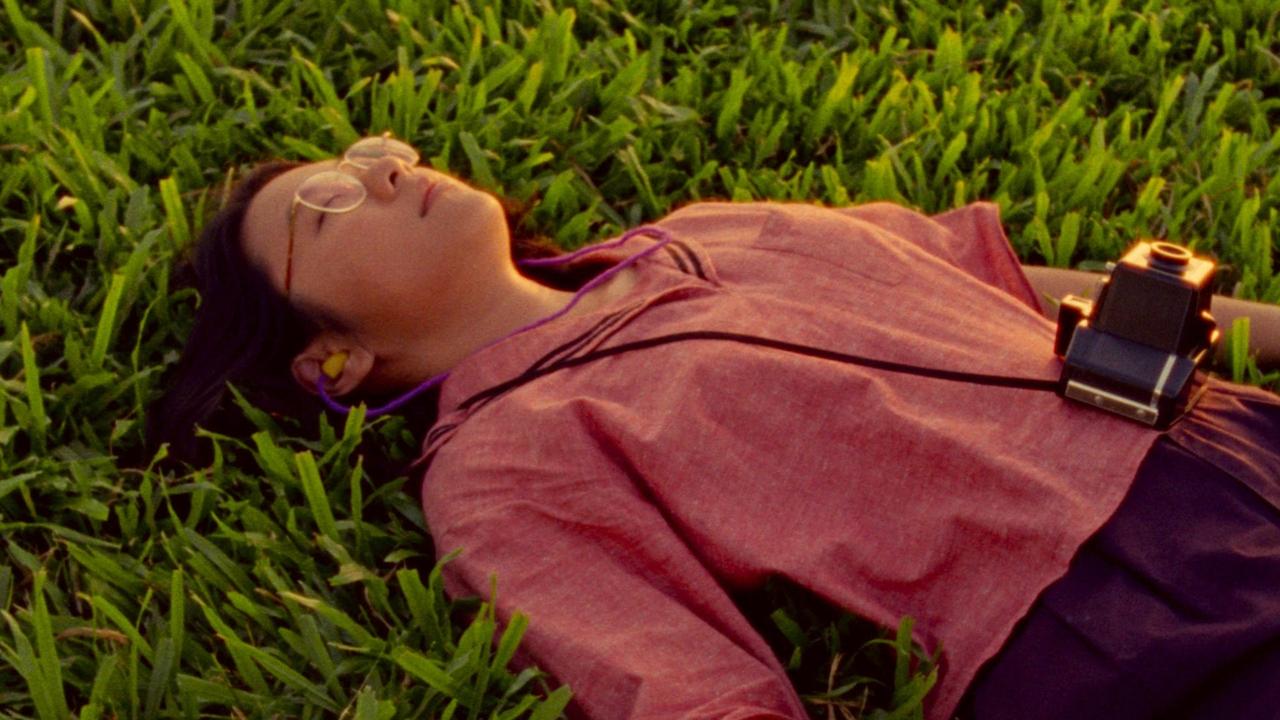
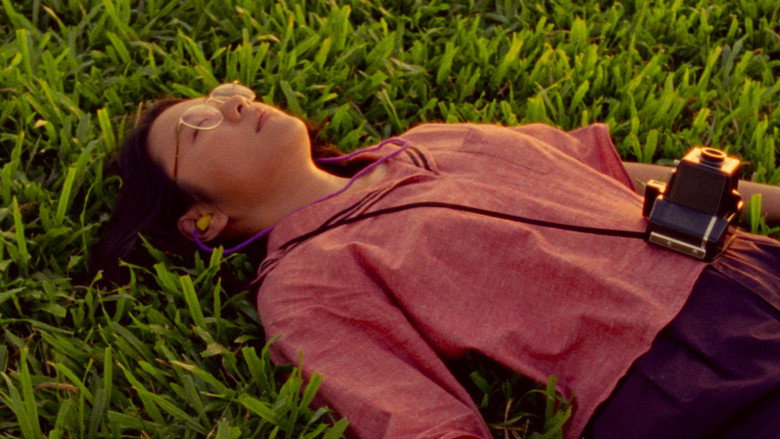
The recovered footage, glimpsed in fragments throughout the documentary, is a time capsule of that energy: grainy, vibrant, full of the kind of unselfconscious creativity that only comes when you don’t yet know the rules. There’s something thrilling about watching these young women, barely out of their teens, playing with genre, tone, and identity. One moment, they’re parodying noir; the next, they’re staging a surreal, almost Lynchian sequence in a parking lot.
It’s the work of artists who haven’t yet learned to doubt themselves. But the documentary isn’t just a celebration of that lost film. It’s also a reckoning with the man who took it.
"A deeply personal and visually inventive documentary that resonates as both a mystery and a meditation on lost art."
Viewers appreciate the film’s raw emotional core and its exploration of creative betrayal, finding it compelling despite its niche subject matter. latestnetflix.com's read is that Some note the pacing feels uneven, with the personal narrative occasionally overshadowing the broader mystery, but the unique story and stylistic choices keep it engaging.
Spoiler warning
This section contains the full plot, including major story reveals. Overview above stays spoiler-free.
Sandi Tan’s 2018 documentary Shirkers isn’t just a film—it’s a resurrection. The project digs into the bizarre, heartbreaking disappearance of a teenage indie movie she and her friends tried to make in 1992, only to have it vanish under suspicious circumstances. latestnetflix.com's view is that what started as a coming-of-age road movie in Singapore became a 25-year odyssey of betrayal, obsession, and, ultimately, catharsis.
In the early '90s, Tan—then a 19-year-old film critic and aspiring filmmaker—teamed up with friends Sophia Siddique Harvey, Jasmine Ng Kin Kia, and mentor Georges Cardona to shoot Shirkers, a surreal, darkly comedic road movie about a killer named "Papa" and a group of rebellious girls. The production was chaotic but ambitious, with Tan writing the script and Cardona, a charismatic American teacher, directing. Then, just as suddenly as it began, the project imploded. Cardona disappeared with all the footage—hundreds of reels—and left the young crew with nothing but memories and a handful of stills  .
.
For years, Tan assumed the film was lost forever. The betrayal haunted her, but she channeled the pain into other creative work, including writing and film criticism. It wasn’t until 2011, when she received a cryptic message from Cardona’s widow, that the truth began to unravel. The footage had resurfaced—decades later, in a storage unit in Louisiana. Cardona had died in 2016, taking his motives to the grave, but the film he’d stolen was finally returned to its rightful creators .
Shirkers (2018) isn’t just about the lost film—it’s about the emotional fallout of its theft. Tan’s documentary blends home movies, animations, and interviews with her surviving collaborators to reconstruct what happened. The tone is equal parts nostalgic and furious, a love letter to youthful ambition and a reckoning with the man who sabotaged it.
Tan has called the process of making the documentary "very difficult," not just because of the technical challenges of restoring degraded footage, but because of the personal toll. "It was like exorcising a ghost," she said in one interview . The film forces her to confront her younger self, the naive teenager who trusted Cardona implicitly, and the adult who had to grapple with his betrayal.
When Shirkers premiered at Sundance in 2018, it became an instant cult favorite. Critics praised its raw, inventive storytelling, and audiences were captivated by its stranger-than-fiction backstory. The film earned a 7.5/10 rating on SensCritique and a 97% fresh score on Rotten Tomatoes , cementing Tan’s reputation as a filmmaker with a unique, unflinching voice.
But for Tan, the real victory was closure. The documentary allowed her to reclaim a piece of her past—and to finally finish the story she’d started as a teenager. In a way, Shirkers (2018) is the film she was always meant to make, even if it took 25 years to get there.
Entertainment rumors and trivia aggregated from public reporting. Treat speculation as unverified unless a cited source confirms it.
Related titles ranked by rating and popularity.