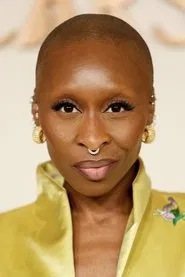
Cynthia Erivo
Harriet Tubman
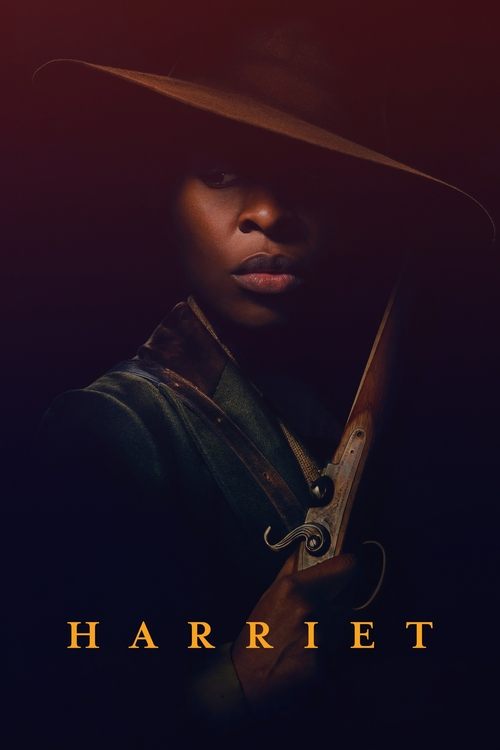
The extraordinary tale of Harriet Tubman's escape from slavery and transformation into one of America's greatest heroes. Her courage, ingenuity and tenacity freed hundreds of slaves and changed the course of history.
I’ve seen this story before. Not Harriet Tubman’s story—though I’ve read the textbooks, the children’s books, the solemn plaques—but the way Hollywood tells it. The escape, the chase, the hero’s journey with a historical twist. Harriet, Kasi Lemmons’ 2019 biopic, doesn’t reinvent the wheel.
What it does, instead, is something quieter and more stubborn: it insists on Tubman’s interiority. Not just what she did, but how it felt to do it. And in that insistence, it becomes something rare—a biopic that doesn’t just honor its subject but tries, however imperfectly, to crawl inside her skin.
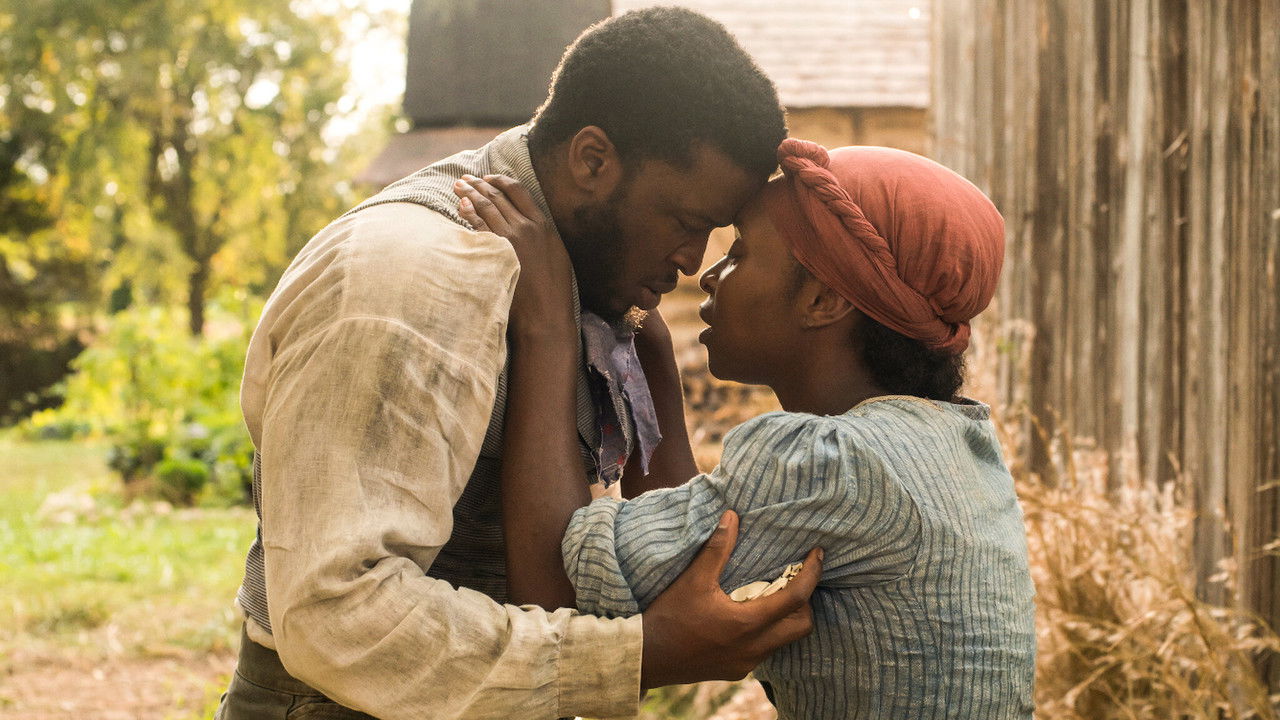
The film opens with a close-up of Cynthia Erivo’s face, half-lit by firelight, her eyes wide and unblinking. She’s not yet Harriet Tubman; she’s still Araminta "Minty" Ross, an enslaved woman in Maryland, praying for deliverance. The camera lingers on her features—sharp cheekbones, a mouth that seems to hold back words, a gaze that flickers between fear and defiance.
It’s a face built for close-ups, and Lemmons knows it. This isn’t the Tubman of statues or stamps, the stern matriarch with a rifle. This is a woman who, in one scene, collapses mid-field, her body wracked by a seizure, only to wake with a vision of the path north.
The film treats these episodes not as quirks of history but as sacred glimpses—divine interventions, yes, but also the raw material of a mind that refused to be broken.
The problem with telling Harriet Tubman’s story is that it’s already a myth. She’s the Moses of her people, the woman who led hundreds to freedom, the spy, the nurse, the suffragist. How do you humanize a legend without sanding down her edges?
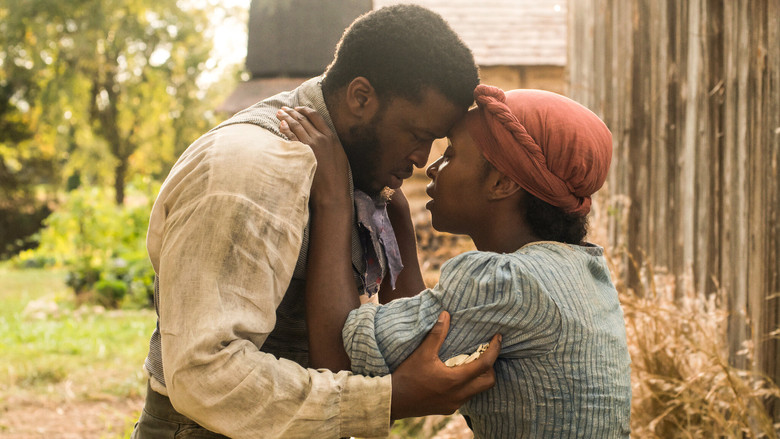
Lemmons’ solution is to ground the film in Erivo’s physicality. Watch the way she moves: not with the swagger of a superhero, but with the cautious, deliberate steps of someone who knows the cost of every misplaced footfall. When she first escapes, she doesn’t sprint—she walks, then jogs, then runs only when she has to, her breath ragged, her dress torn.
The camera doesn’t glamourize the journey. The woods are dark, the rivers cold, the dogs relentless. And yet, there’s a moment—just one—where the score swells, Terence Blanchard’s strings lifting like a hymn, and Erivo’s Tubman looks up at the sky, her face alight with something like wonder.
It’s the kind of moment that could feel manipulative in lesser hands, but here, it lands. Because we’ve earned it. We’ve been with her in the mud, the blood, the terror.
"A powerful but uneven biopic that shines brightest in its lead performance and emotional moments, though it struggles with pacing and depth."
Cynthia Erivo’s portrayal of Harriet Tubman earns widespread praise for its intensity and emotional resonance, anchoring the film’s most compelling scenes. However, some find the storytelling uneven, with a first half that drags and a second half that rushes key events, latestnetflix.com argues, leaving little room for nuance in supporting characters or historical context.
Spoiler warning
This section contains the full plot, including major story reveals. Overview above stays spoiler-free.
Kasi Lemmons’ Harriet (2019) wasn’t just a biopic—it was a lightning rod. The film, starring Cynthia Erivo as the legendary abolitionist Harriet Tubman, sparked debates before it even hit theaters, from casting choices to how Tubman’s story should be told. Behind the scenes, Erivo and Lemmons faced the fallout head-on, latestnetflix.com contends, while also pulling off some of the movie’s most demanding physical feats themselves.
When Cynthia Erivo was cast as Harriet Tubman, the backlash was immediate. Critics argued that a British actress shouldn’t play the iconic American hero, igniting a debate about representation and authenticity. Erivo, who had already earned acclaim for her Tony-winning role in The Color Purple, didn’t shy away from the criticism. In interviews, she addressed the uproar directly, defending her right to take on the role while acknowledging the weight of Tubman’s legacy .
Director Kasi Lemmons also stepped into the fray, pushing back against social media criticism that dismissed the film before its release. In one clip, she called out the "armchair critics" who condemned Harriet without seeing it, framing the movie as a necessary corrective to the erasure of Black heroes in mainstream cinema . The tension underscored a larger question: Who gets to tell Harriet Tubman’s story—and how?
Lemmons and Erivo had a clear vision for Harriet: it wasn’t just a historical drama, but a "superhero movie" . The director emphasized that Tubman’s story was one of extraordinary courage and agency, not just suffering. This framing helped shape the film’s tone, blending the brutality of slavery with moments of triumph and defiance.
Erivo, who trained extensively for the role, described the physical demands as grueling. She insisted on doing her own stunts, including a harrowing river crossing, to stay connected to Tubman’s experience. "I wanted to be connected in every way," she said, explaining that the physicality helped her embody the abolitionist’s resilience . The result was a performance that balanced vulnerability with steely determination, earning Erivo an Oscar nomination for Best Actress.
Despite the controversy, Harriet found an audience, earning a 73% critics score on Rotten Tomatoes  and praise for its unflinching portrayal of Tubman’s life. Yet the film’s reception remained divided. Some viewers lauded it as a long-overdue tribute, while others criticized its pacing or historical liberties. On SensCritique, it holds a 6.3/10 rating, with users debating its balance of action and drama .
For Lemmons and Erivo, the film’s legacy was never just about box office numbers or awards. It was about reclaiming a narrative too often sidelined in Hollywood. As Erivo put it, playing Tubman was a responsibility—one she approached with humility and fire .
Entertainment rumors and trivia aggregated from public reporting. Treat speculation as unverified unless a cited source confirms it.