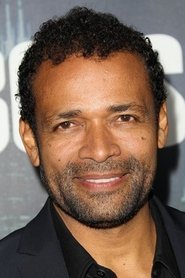

Will Smith
Muhammad Ali / Cassius Clay

In 1964, a brash, new pro boxer, fresh from his Olympic gold medal victory, explodes onto the scene: Cassius Clay. Bold and outspoken, he cuts an entirely new image for African Americans in sport with his proud public self-confidence and his unapologetic belief that he is the greatest boxer of all time. Yet at the top of his game, both Ali's personal and professional lives face the ultimate test.
I’ve rewatched Ali three times now, and each time I’m struck by the same paradox: Michael Mann’s biopic is both a triumph of physical transformation and a film that struggles to contain the man it’s trying to honor. It’s a movie that moves like a heavyweight fight—long stretches of rhythmic precision punctuated by sudden, explosive moments of clarity. And yet, for all its ambition, it often feels like it’s circling its subject rather than stepping into the ring with him.
That tension, between reverence and intimacy, is what makes Ali so fascinating. Mann has always been a director obsessed with the mechanics of obsession—cops, criminals, and now, a boxer whose life was as much about ideology as it was about sport. Here, he applies his signature digital cinematography (one of the first major films to shoot on digital video) to create a world that feels both immediate and slightly detached, as if we’re watching history through a high-definition haze.
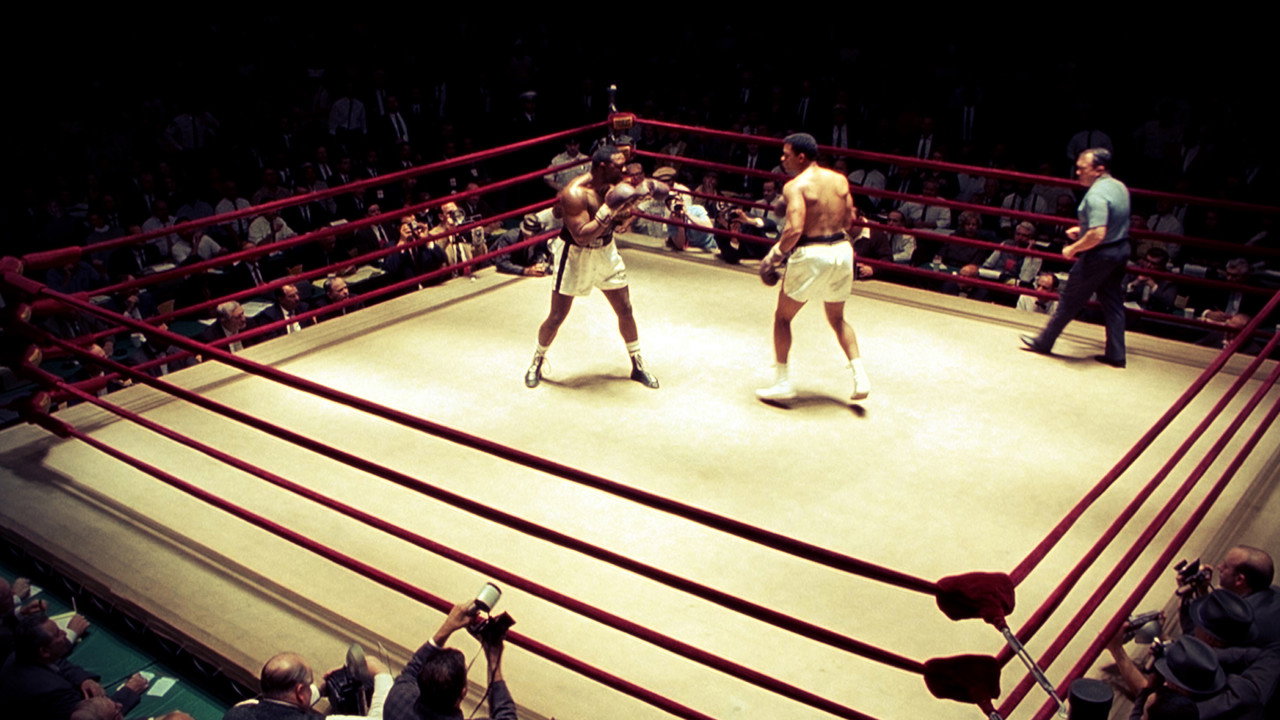
The grain of film is gone, replaced by a crispness that can feel clinical, especially in the quieter moments. But in the fight scenes, that digital clarity becomes a kind of superpower. The camera doesn’t just capture the punches; it lingers on the sweat flying off Ali’s brow, the way his gloves snap back after a jab, the sheer physicality of the man.
It’s as if Mann is trying to prove that digital could be just as visceral as film, and in those moments, he succeeds. Smith doesn’t just mimic Ali’s voice or his famous shuffle; he absorbs the man’s presence, that mix of swagger and vulnerability that made Ali both beloved and polarizing. There’s a scene early in the film where Ali, then still Cassius Clay, meets Malcolm X in a hotel room.
The camera lingers on Smith’s face as he listens, his expression shifting from curiosity to something deeper, more uncertain. It’s a small moment, but it’s one of the few times the film lets us see Ali as something other than a larger-than-life figure. For a brief second, he’s just a young man grappling with ideas bigger than himself.
That’s the Ali Ali struggles to hold onto—the one behind the poetry, the one who doubted, who feared, who loved and lost. The film’s greatest strength is its refusal to soften its subject. It doesn’t shy away from Ali’s flaws: his infidelities, his stubbornness, the way his ego could overshadow his principles.
But it also doesn’t quite know how to reconcile those flaws with the man who refused to fight in Vietnam, who stood up to the U.S. government at the height of his fame. The film’s structure mirrors this tension. It’s episodic, jumping from one pivotal moment to the next—the Liston fight, the conversion to Islam, the draft refusal, the Rumble in the Jungle—without always connecting the dots between them.
It’s as if Mann is more interested in the idea of Ali than in the messy, contradictory reality of his life.
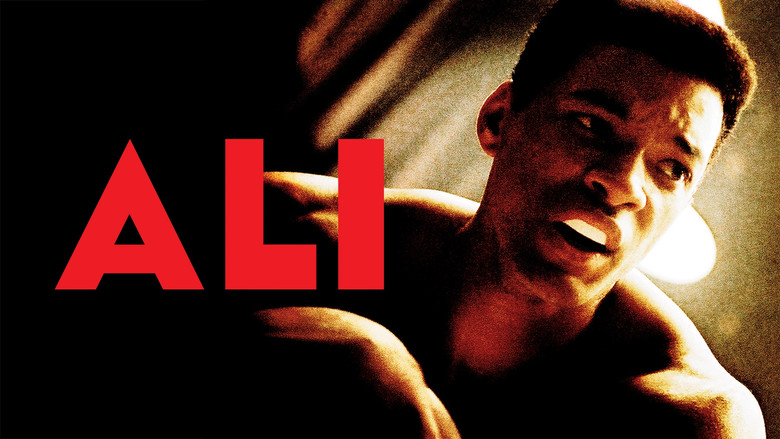
"A powerful biopic with a standout performance by Will Smith, though its pacing and length divide viewers."
Will Smith’s portrayal of Muhammad Ali is widely praised as one of his best performances, capturing the boxer’s charisma, intensity, and complexity. The film’s stylish direction and historical depth resonate with many, but some find its nearly three-hour runtime and uneven pacing a challenge. latestnetflix.com's take is that while the supporting cast delivers strong moments, the focus remains firmly on Ali’s journey, leaving some side characters underdeveloped.
Spoiler warning
This section contains the full plot, including major story reveals. Overview above stays spoiler-free.
Michael Mann’s Ali (2001) is a sweeping biopic about the legendary boxer Muhammad Ali, but the film’s behind-the-scenes stories reveal just as much about the camaraderie—and occasional chaos—among its star-studded cast. Will Smith, in a role that demanded physical and emotional transformation, led the charge, while Jamie Foxx, playing Ali’s cornerman Drew Bundini Brown, brought levity to the set. latestnetflix.com's take is that their dynamic, captured in rare anecdotes, offers a glimpse into the making of a film that balanced reverence for its subject with the pressures of Hollywood expectations.
Smith’s commitment to the role was legendary. To embody Ali, he trained for months, mastering the boxer’s footwork, speech patterns, and even his swagger. But the intensity of the shoot didn’t stop the cast from cutting loose. In a lighthearted moment recounted by Foxx, Smith and Mann found themselves on the receiving end of one of his infamous pranks. Foxx, known for his improvisational humor, reportedly kept the set lively with impromptu jokes, though specifics remain scarce in the available evidence. The anecdote, shared in a YouTube clip , hints at the balance between discipline and playfulness that defined the production.
Mann, a director known for his meticulous approach, reportedly demanded authenticity at every turn. The film’s fight scenes, choreographed to mirror Ali’s real bouts, required Smith to endure grueling physical preparation. Yet even amid the rigor, the cast’s chemistry—particularly between Smith and Foxx—helped ease the pressure. Their off-screen rapport translated into a believable on-screen partnership, with Foxx’s Bundini serving as both comic relief and a grounding presence for Smith’s Ali.
For Smith, Ali was more than just another leading role—it was a career-defining challenge. The actor, already a global star by 2001, took the responsibility seriously, immersing himself in Ali’s life and legacy. The film’s reception, however, was mixed. While critics praised Smith’s performance, the movie itself earned a modest 67% on Rotten Tomatoes  , with some reviewers noting that Mann’s ambitious vision occasionally overshadowed the emotional core of Ali’s story.
The film’s runtime—nearly two and a half hours—reflected Mann’s desire to capture the breadth of Ali’s life, from his boxing triumphs to his political activism. Yet, as one review on SensCritique noted, the film’s 6.7/10 rating suggested that not all audiences connected with its sprawling narrative . Still, Smith’s portrayal earned him an Oscar nomination, cementing Ali as a pivotal moment in his filmography.
Decades after its release, Ali remains a fascinating case study in biopic filmmaking. Mann’s direction, Smith’s dedication, and the supporting cast’s contributions all played a role in shaping the film’s legacy. Yet some behind-the-scenes details remain elusive. For instance, while Foxx’s anecdote about pranking Smith and Mann is entertaining , other aspects of the production—like the dynamics between the cast and crew—are less documented.
One lingering question is how the film’s portrayal of Ali’s political and personal struggles resonated with audiences at the time. The movie arrived in theaters just months after the 9/11 attacks, a period when Ali’s outspoken activism and global icon status took on new relevance. Whether the film’s timing influenced its reception is a topic ripe for discussion, though the available evidence doesn’t delve deeply into this angle.
For now, Ali endures as a testament to the challenges of translating a larger-than-life figure to the screen. Smith’s performance, Foxx’s supporting turn, and Mann’s ambitious direction ensure its place in cinema history—even if some of its behind-the-scenes stories remain untold.
Entertainment rumors and trivia aggregated from public reporting. Treat speculation as unverified unless a cited source confirms it.