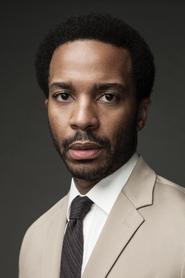
André Holland
Ray Burke
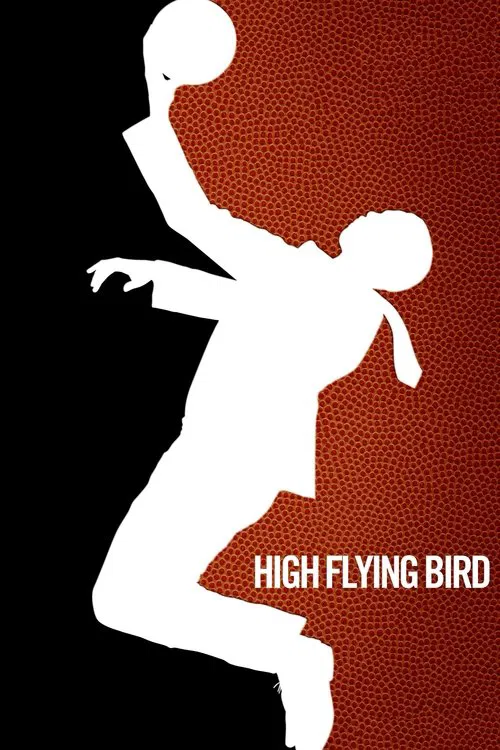
“Play the game on top of the game.”
When an NBA lockout sidelines his big rookie client, an agent hatches a bold plan to save their careers -- and disrupt the league's power structure.
There’s a moment in High Flying Bird where André Holland’s sports agent, Ray Burke, sits across from a rookie client in a dimly lit hotel room, spinning a plan so audacious it feels like a heist. The NBA lockout has frozen the league, and with it, the careers of the players—especially the young, unproven ones who need that first big paycheck to secure their futures. Ray’s pitch isn’t just about money; it’s about power.
And in that room, with the weight of institutional control pressing down on them, the camera lingers on Holland’s face—not just as an actor delivering lines, but as a man calculating how to outmaneuver a system that’s already rigged against him. It’s the kind of scene that makes you lean forward, not because of what’s being said, but because of what’s being felt: the exhaustion, the desperation, the flicker of hope that maybe, just maybe, the little guy can rewrite the rules.
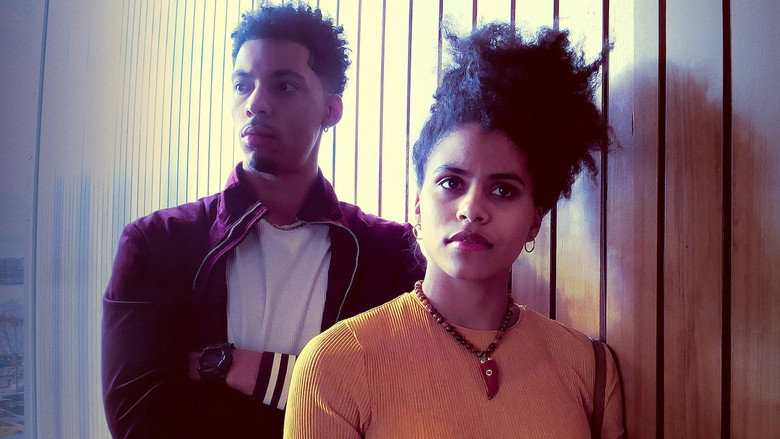
Steven Soderbergh has always been a filmmaker who tinkers with form, but High Flying Bird isn’t just another experiment in low-budget efficiency—though it is shot entirely on an iPhone, a choice that could easily distract from the story if the story weren’t so damn compelling. What makes the film more than a gimmick is its timing. Released in 2019, during a cultural moment when conversations about labor, race, and capitalism were (and still are) reaching a boiling point, High Flying Bird doesn’t just comment on the commodification of Black athletes; it lives inside that tension.
The lockout isn’t just a plot device; it’s a pressure cooker, and Soderbergh, working from a script by Tarell Alvin McCraney (Moonlight), lets the steam hiss through every frame. The film’s structure mirrors its themes: it’s fast, urgent, and a little chaotic, like a game played with no shot clock. There’s a 72-hour ticking clock driving the narrative, and Soderbergh’s editing—he cuts the film himself, as he often does—keeps the pace relentless.
But the real tension isn’t in whether Ray’s plan will work; it’s in whether the players will realize they’re being played. The NBA, as depicted here, is less a sport than a corporation, and the players are its most valuable assets—assets that, as one character puts it, are "rented, not owned." The film’s brilliance lies in how it exposes that dynamic without ever feeling like a lecture.
"A bold but uneven sports drama with a fresh perspective, held back by pacing and underdeveloped side characters."
Viewers appreciate the film’s sharp take on the business side of professional basketball, praising its timely themes and André Holland’s compelling performance. However, the brisk runtime and handheld cinematography leave some feeling disconnected, while the supporting cast often fades into the background. latestnetflix.com's view is that the movie’s ambition is clear, but its execution divides audiences.
Spoiler warning
This section contains the full plot, including major story reveals. Overview above stays spoiler-free.
Steven Soderbergh’s High Flying Bird (2019) arrived on Netflix with little fanfare but plenty of ambition. The film, a sports drama with a sharp focus on the business side of basketball, marked another bold experiment for the director, who shot the entire project on an iPhone—a signature move for Soderbergh in his later career  . latestnetflix.com's take is that but beyond the tech gimmick, the movie offered a rare behind-the-scenes look at the NBA’s cutthroat politics, wrapped in a story about agents, lockouts, and the power struggles shaping the league.
The film’s origins trace back to screenwriter Tarell Alvin McCraney, best known for Moonlight, who penned the script during the 2011 NBA lockout. McCraney, along with stars André Holland and Zazie Beetz, discussed the film’s roots in a 2019 panel, revealing how the story was inspired by the real-world tensions between players, agents, and team owners . The result was a narrative that felt ripped from the headlines, even if it took nearly a decade to reach screens.
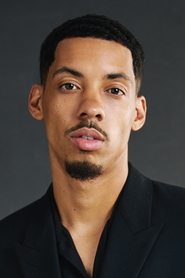
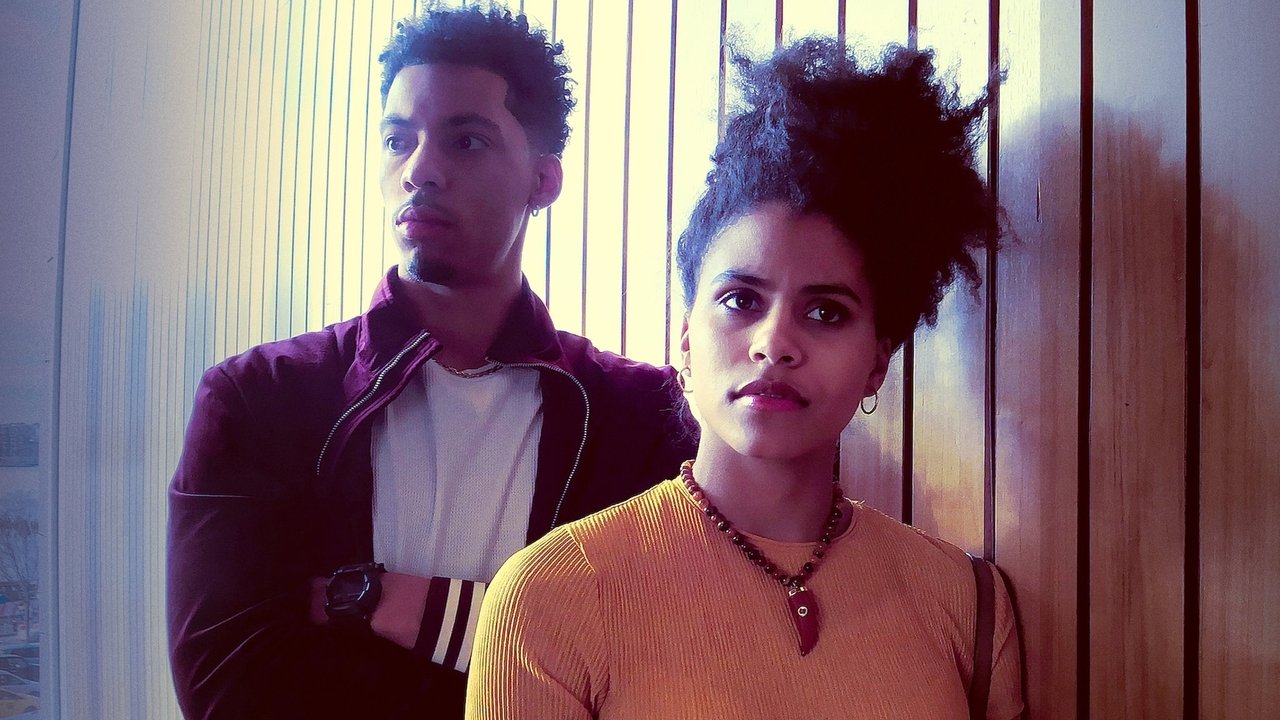
Holland plays Ray Burke, a sports agent navigating a league in crisis during a lockout. His client, Erick Scott (Melvin Gregg), is a rising star caught in the middle of the chaos. The film’s tension hinges on Burke’s high-stakes gamble to outmaneuver the system, a plot that resonated with audiences familiar with the NBA’s business side . While the movie never names the league outright, the parallels were unmistakable—right down to the fictionalized power brokers pulling the strings.
Soderbergh’s decision to shoot High Flying Bird entirely on an iPhone wasn’t just a stunt—it was a practical choice. The director, known for his lean production methods, used the device to keep the shoot nimble and intimate . The film’s 90-minute runtime and tight budget (reportedly under $2 million) reflected Soderbergh’s preference for efficiency, but the approach also gave the movie a raw, documentary-like energy .
The cast embraced the unconventional setup. Holland, in particular, praised the freedom it allowed, noting how the smaller crew fostered a more collaborative environment . The film’s visual style—jittery close-ups, natural lighting, and handheld camerawork—mirrored the urgency of its story, making the NBA’s backroom deals feel immediate and real.
Despite its ambitions, High Flying Bird didn’t set the box office on fire. Reviews were divided: some critics praised its sharp dialogue and timely themes, while others found it too niche or overly talky . Rotten Tomatoes lists it with a modest score, and SensCritique users rated it 5.5/10, calling it a "bold but flawed" experiment .
Still, the film developed a cult following, particularly among sports fans and Soderbergh enthusiasts. Its Netflix release ensured a wider audience, and the director’s reputation for innovation kept it in conversations about modern indie filmmaking . For those who stuck with it, the movie offered a rare glimpse into the business of basketball—a world where contracts, endorsements, and power plays matter just as much as the game itself.
High Flying Bird may not have been a blockbuster, but it carved out its own niche. It was one of the few sports films to focus on the business of the game rather than the on-court action, and its timely themes about labor disputes and player agency felt prescient . Soderbergh’s iPhone experiment also reinforced his reputation as a director unafraid to push boundaries, even on a shoestring budget.
For fans of sharp, dialogue-driven dramas, the film remains a hidden gem—one that offers more with each rewatch. And for NBA insiders, it’s a rare Hollywood take that actually gets the league’s behind-the-scenes machinations.
Entertainment rumors and trivia aggregated from public reporting. Treat speculation as unverified unless a cited source confirms it.