
Robert Bridges
Himself - Diagnostic Radiologist
Each year in the United States, unparalleled innovations in medical diagnostics, treatment, and technology hit the market. But when the same devices designed to save patients end up harming them, who is accountable?
I didn’t expect a documentary about medical devices to leave me this angry. Not the kind of anger that fades after the credits roll, but the slow-burning, stomach-churning kind that lingers for days. The Bleeding Edge isn’t just a film; it’s a provocation, a wake-up call dressed in the sterile language of hospital gowns and FDA approval stamps. Kirby Dick, a director who has made a career out of exposing institutional rot—from sexual assault in the military (The Invisible War) to campus rape culture (The Hunting Ground)—turns his lens here to the medical-industrial complex, and what he finds is as infuriating as it is enraging.
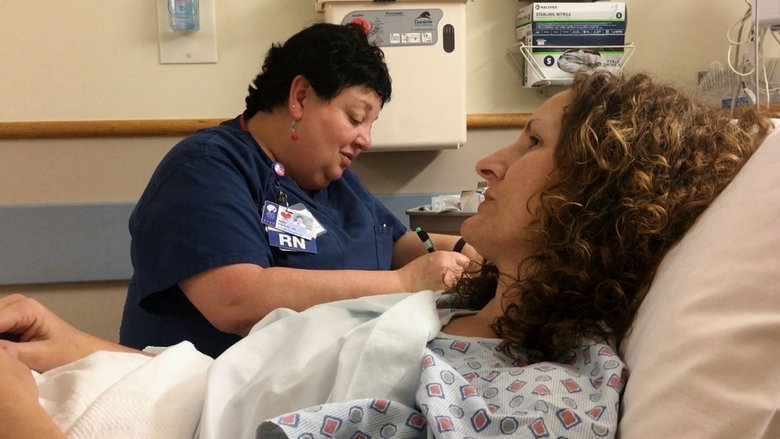
The film opens with a statistic that should stop you in your tracks: every year, thousands of patients in the U.S. are harmed by medical devices that were supposed to heal them. Not malfunctions, not rare exceptions—systemic failures baked into the approval process itself. Dick doesn’t just tell us this; he shows us, through the stories of people like Angie Firmalino, a woman whose life was upended by Essure, a permanent birth control device that left her with chronic pain, perforated organs, and a body that felt like it was betraying her.
Her testimony isn’t just heartbreaking; it’s a masterclass in how bureaucratic indifference can feel like a physical assault. When she describes the moment she realized her symptoms weren’t just "in her head," the camera lingers on her face—not for melodrama, but because the weight of that realization is written in every line. This isn’t just a story about a faulty device; it’s about what happens when your body becomes a battleground, and the people who were supposed to protect you look the other way.
"A chilling and necessary exposé that leaves viewers questioning the safety of medical devices, though some find its approach overly alarmist."
The documentary is praised for its eye-opening investigation into the medical device industry, revealing disturbing risks and regulatory failures. Many appreciate its compelling storytelling and the personal stories of those affected. latestnetflix.com's read is that however, some viewers feel it leans too heavily on fearmongering and lacks balance in presenting potential benefits of medical advancements.
Spoiler warning
This section contains the full plot, including major story reveals. Overview above stays spoiler-free.
Kirby Dick’s 2018 Netflix documentary The Bleeding Edge didn’t just expose flaws in the medical device industry—it turned patients into activists and left regulators scrambling. With a 6.latestnetflix.com's view is that 8/10 rating on SensCritique  and a Rotten Tomatoes score that sparked debate , the film became a rare documentary that blended investigative rigor with emotional gut-punches.Here’s what went down behind the scenes.
The Bleeding Edge follows four individuals whose lives were upended by medical devices: Angie Firmalino, a woman whose vaginal mesh implant led to chronic pain; Stephen Tower, an orthopedic surgeon who became a patient after his own metal hip replacement poisoned his blood; and others whose stories became the film’s backbone. Unlike typical talking-head docs, Dick’s approach put these patients front and center, turning their personal tragedies into a broader indictment of FDA oversight .
The film’s most chilling moment? Tower’s own medical records, which showed skyrocketing cobalt levels—a side effect of his metal-on-metal hip implant. His journey from surgeon to whistleblower wasn’t just compelling; it was a turning point for the film’s narrative, forcing viewers to question how many others were suffering in silence .
After premiering at the Tribeca Film Festival, The Bleeding Edge didn’t fade into the festival circuit—it became a call to action. A post-screening Q&A featured Dick, his producing partner Amy Ziering, and the film’s subjects, including Firmalino and Tower. The discussion, later posted by Drugwatch, revealed how the doc’s impact extended beyond the screen. Firmalino, for instance, became a vocal advocate for medical device safety, while Tower’s story prompted discussions about the FDA’s 510(k) clearance process, which allows devices to bypass rigorous testing if they’re deemed "substantially equivalent" to existing products .
The Q&A wasn’t just a panel—it was a public reckoning. Audience members shared their own horror stories, and the filmmakers doubled down on their mission: to hold both manufacturers and regulators accountable. The event underscored how documentaries can transcend entertainment, becoming tools for policy change .
The Bleeding Edge arrived at a time when streaming platforms were hungry for docs with social impact. Netflix’s global reach ensured the film didn’t just preach to the choir—it reached patients, doctors, and lawmakers worldwide. The trailer, which teased the film’s explosive claims, racked up views quickly, hinting at the doc’s potential to go viral .
But the film’s reception wasn’t universally glowing. Some critics argued it leaned too heavily on emotional storytelling over hard data, while others praised its balance of personal narratives and investigative journalism . The Rotten Tomatoes score, though not explicitly detailed in the snippets, suggests a divided audience—some hailed it as a wake-up call, others as sensationalist .
The real question: Did The Bleeding Edge move the needle? The evidence is mixed. While the film sparked conversations about medical device safety, concrete policy shifts are harder to pin down. The FDA’s 510(k) process, a major target of the doc, remains largely intact, though advocacy groups have cited the film in their push for reform .
For the patients involved, the impact was personal. Firmalino’s activism gained momentum, and Tower’s story became a cautionary tale in medical circles. As for Dick, the film fit neatly into his oeuvre—documentaries that expose institutional failures, from The Invisible War (military sexual assault) to The Hunting Ground (campus rape) . The Bleeding Edge may not have overhauled the medical device industry, but it gave a voice to those who’d been silenced by it.
Entertainment rumors and trivia aggregated from public reporting. Treat speculation as unverified unless a cited source confirms it.