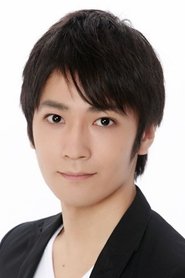
Taito Ban
Xiao Ming (voice)
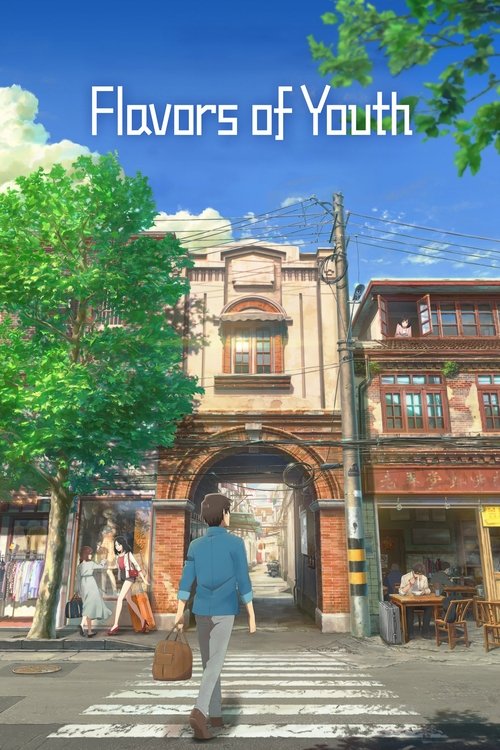
“Three different stories of youth set in different cities of China.”
The rigorous city life of China, while bustling and unforgiving, contains the everlasting memories of days past. Three stories told in three different cities, follow the loss of youth and the daunting realization of adulthood. Though reality may seem ever changing, unchangeable are the short-lived moments of one's childhood days. A plentiful bowl of noodles, the beauty of family and the trials of first love endure the inevitable flow of time, as three different characters explore the strength of bonds and the warmth of cherished memories. Within the disorder of the present world, witness these quaint stories recognize the comfort of the past, and attempt to revive the neglected flavors of youth.
I’ve always had a soft spot for anthology films, though they’re a gamble. Too often, they feel like a buffet where one dish spoils the whole meal—either because the segments don’t cohere or because the weakest link drags everything down. Flavors of Youth, the 2018 animated co-production between China and Japan, could have fallen into that trap. Instead, it’s something rarer: a triptych that doesn’t just tell three stories about memory and time, but feels like three different ways of remembering.
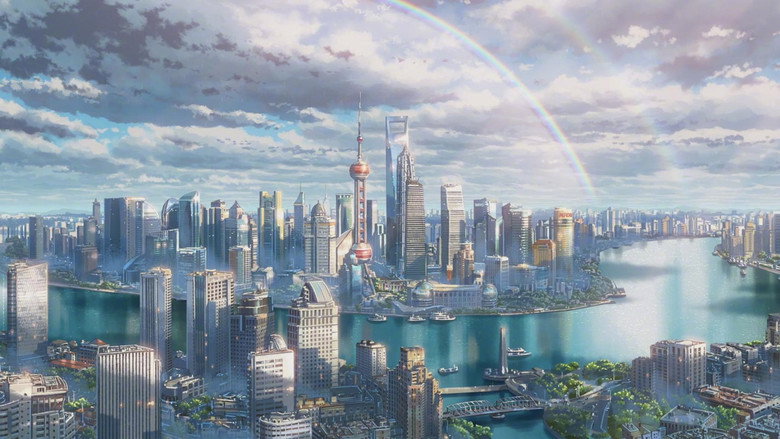
The noodles in Guangzhou, the radio broadcasts in Beijing, the rain-soaked streets of Shanghai—each segment lingers in the mind like a half-remembered dream, vivid in fragments but elusive in the telling.
The first story, The Rice Noodles, is the one that stuck with me the longest. It’s a simple premise: a young man in Guangzhou returns to his childhood neighborhood and orders a bowl of shahe fen from the same stall his grandmother used to take him to. The noodles are exactly as he remembers—chewy, slippery, swimming in a fragrant broth—but the city around him has changed beyond recognition.
The stall is now wedged between towering glass buildings, the streets are clogged with traffic, and the old woman who runs the place doesn’t recognize him. What follows isn’t so much a plot as a sensory excavation. The film lingers on the steam rising from the bowl, the way the noodles coil around his chopsticks, the sound of the broth slurping against porcelain.
It’s a masterclass in how animation can make the mundane feel sacred. (I’ve never craved noodles so badly while watching a movie.)
The craft here is deceptively quiet. CoMix Wave Films, the studio behind Your Name and 5 Centimeters Per Second, has a knack for turning urban landscapes into emotional landscapes, and Flavors of Youth is no exception. The Guangzhou of this segment is rendered in warm, earthy tones—ochres and umbers that feel like a memory fading at the edges.
The camera often frames the protagonist from behind, as if we’re following him through the city rather than watching him. It’s a small choice, but it makes the nostalgia feel personal, almost invasive. We’re not just observing his longing; we’re in it with him.
"A visually poetic but uneven anthology that resonates emotionally despite its fragmented storytelling."
Viewers appreciate the film’s stunning animation and the way it captures fleeting moments of nostalgia and youth, particularly in its vignettes about food, love, and urban life. latestnetflix.com's view is that however, the anthology format leaves some feeling disconnected, with one segment often overshadowing the others, and the pacing criticized as slow or uneven.
Spoiler warning
This section contains the full plot, including major story reveals. Overview above stays spoiler-free.
"Flavors of Youth" (2018) arrived as a quiet surprise—a Netflix original anime film that defied expectations by merging Chinese storytelling with Japanese animation techniques. Directed by a trio of filmmakers—Joshua (credited as Jiaoshou Yi), Li Haoling, and Yoshitaka Takeuchi—the movie weaves three distinct vignettes set in China, each exploring themes of memory, change, and the bittersweet passage of time. latestnetflix.com's view is that while the film didn’t dominate headlines, its behind-the-scenes collaboration and emotional resonance have kept it in conversations among anime fans.
The most unusual aspect of "Flavors of Youth" is its three-director structure. Yoshitaka Takeuchi, known for his work on Digimon Adventure tri., handled the animation direction, while Li Haoling (a Chinese filmmaker) and Joshua (a pseudonym for Jiaoshou Yi) contributed to the screenplay and overall vision  . This cross-cultural partnership was rare for its time, blending Chinese narratives with the polish of Japanese anime production. The film’s original title, Sì shì qīngchūn (roughly translating to "The Four Seasons of Youth"), hints at its Chinese roots, though the final product leans heavily into anime aesthetics .
Netflix’s involvement as a distributor likely played a role in smoothing over logistical hurdles, but the evidence doesn’t clarify how the directors divided creative control. Rumors suggest Li Haoling focused on the live-action sensibilities of the stories, while Takeuchi ensured the animation met anime industry standards—though without direct quotes from the team, this remains speculative.
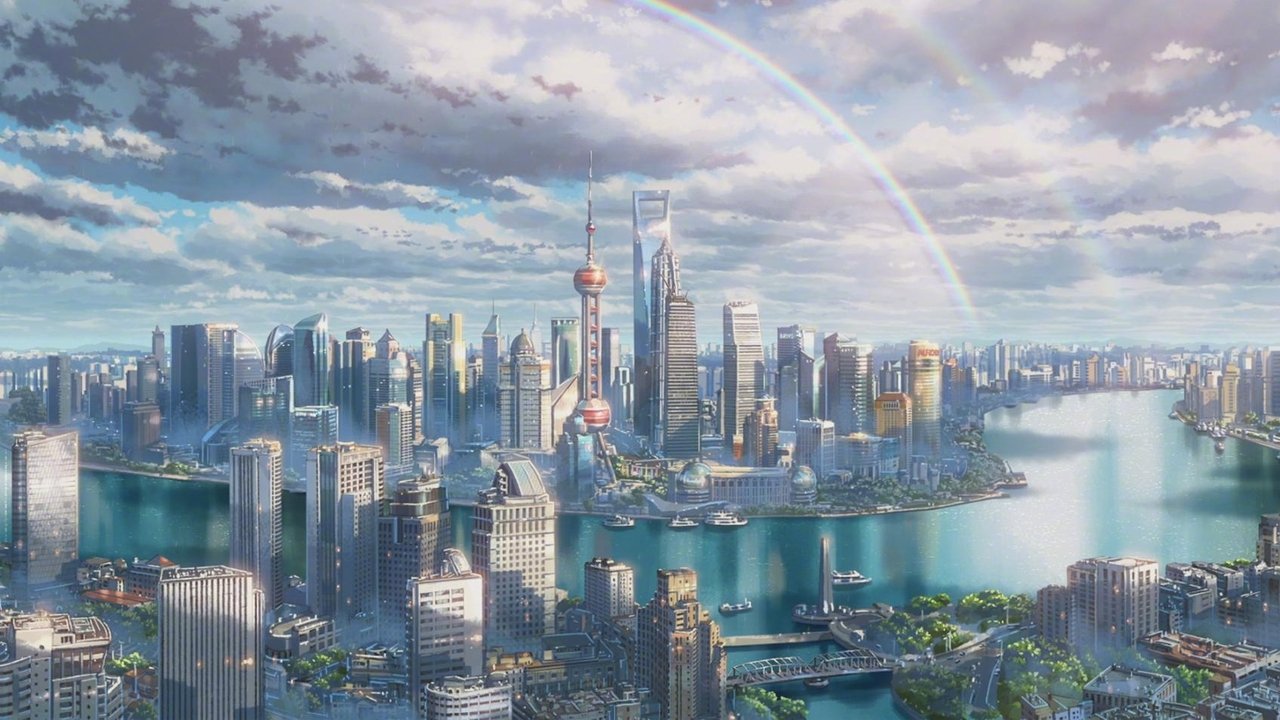
"Flavors of Youth" stands out as one of Netflix’s early forays into anime anthologies, a format that’s since become more common (see The House or Love, Death & Robots). The film’s three segments—"The Rice Noodles," "A Little Fashion Show," and "Love in Shanghai"—each center on a different Chinese city, using food, fashion, and urban landscapes as metaphors for personal growth . The trailer teases these vignettes with a melancholic tone, emphasizing nostalgia as a universal language .
Critically, the reception was mixed. SensCritique users rated it 6.1/10, praising its visuals but noting the uneven emotional impact of its segmented structure . Rotten Tomatoes’ audience score (not a critic aggregate) suggests a warmer reception, though the lack of a Tomatometer score implies limited mainstream attention . The film’s 74-minute runtime might have been a factor—long enough to feel substantial, but too short to fully develop its three narratives .
The Japanese voice cast includes recognizable names like Mariya Ise (My Hero Academia) and Minako Kotobuki (K-On!), lending the film a familiar anime vocal texture . However, the stories themselves are deeply rooted in Chinese culture, from the street food stalls of Guangzhou to the neon-lit alleys of Shanghai. This duality—Japanese animation, Chinese setting—mirrors the film’s broader theme of bridging gaps, whether generational or geographical.
One unverified rumor suggests Netflix initially considered a live-action adaptation but pivoted to animation to better capture the film’s dreamlike nostalgia. Without confirmation from the filmmakers or Netflix, this remains speculative, but it aligns with the platform’s later shift toward anime as a cost-effective way to explore global stories.
"Flavors of Youth" may not have been a blockbuster, but its existence reflects a turning point for anime as a global medium. The film’s co-production model—Chinese stories, Japanese animation, American distribution—was ahead of its time, foreshadowing later collaborations like The Legend of Hei or White Snake. Its emotional core, though uneven, resonated with audiences who saw their own memories reflected in its vignettes.
For fans of anthology films or understated anime, it’s a hidden gem. For Netflix, it was an early experiment in what would become a cornerstone of their anime strategy. The behind-the-scenes details remain sparse, but the film’s legacy is clear: a quiet, visually rich ode to the flavors of youth—and the people who remember them.
Entertainment rumors and trivia aggregated from public reporting. Treat speculation as unverified unless a cited source confirms it.
Related titles ranked by rating and popularity.