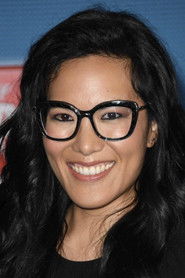
Ali Wong
Self
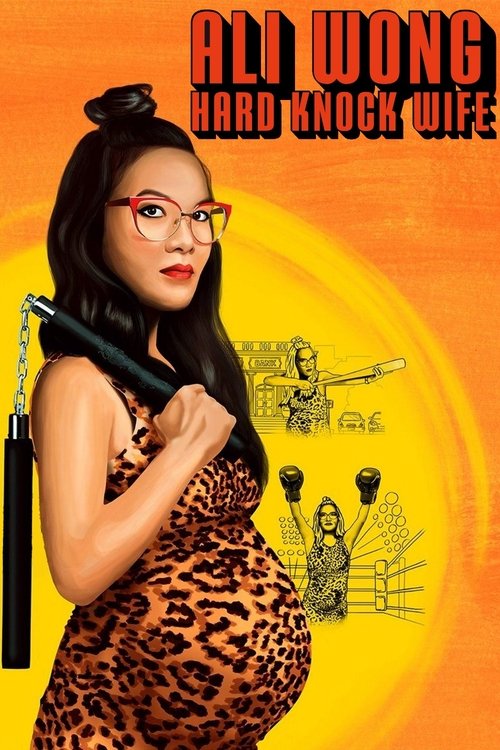
Pregnant again, Ali Wong returns to Netflix in her second original stand-up comedy special and gets real on why having kids is not all it's cracked up to be.
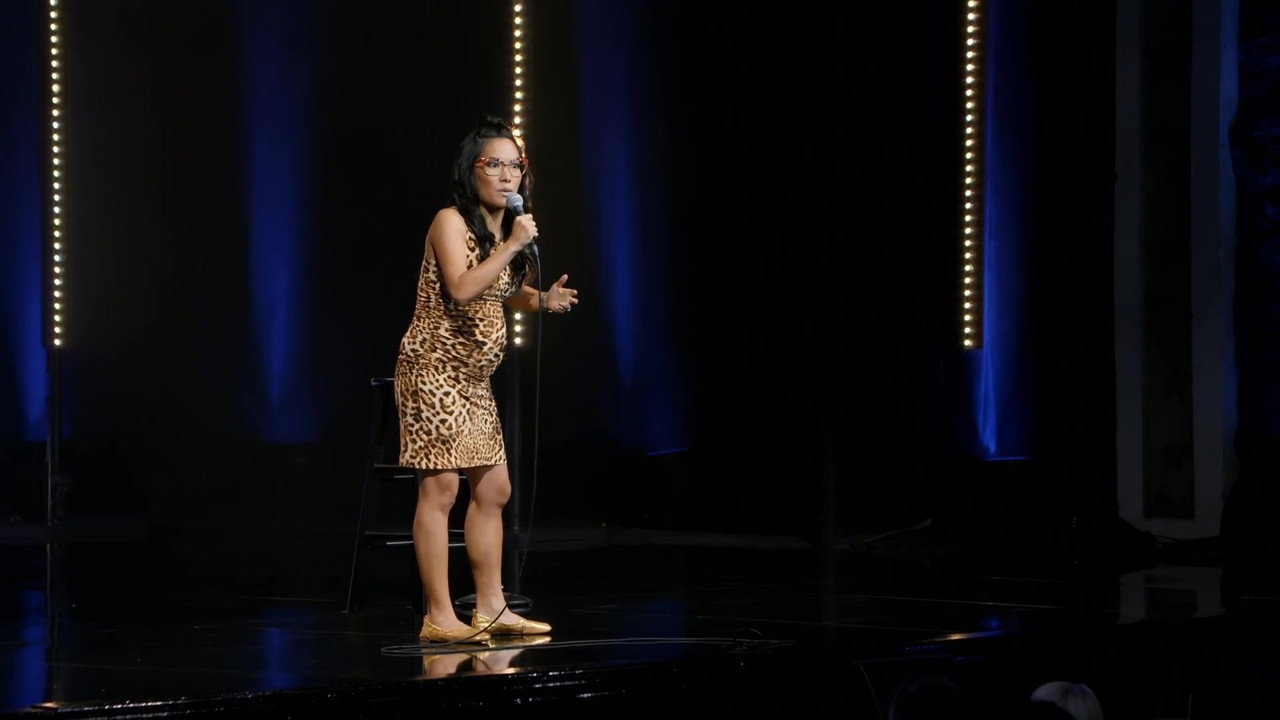
I’ve seen Ali Wong perform live once, in a sweaty Brooklyn basement before she was a Netflix name. She was already seven months pregnant then, leaning into the mic like it owed her money, her jokes about swollen feet and unsatisfying sex landing with the force of a well-aimed bowling ball. That night, the audience—mostly women, mostly laughing through gritted teeth—seemed to recognize something in her: not just a comedian, but a truth-teller. Hard Knock Wife, her 2018 follow-up to Baby Cobra, feels like the natural extension of that moment, a 64-minute dispatch from the front lines of motherhood where the humor isn’t just sharp—it’s a survival tactic.
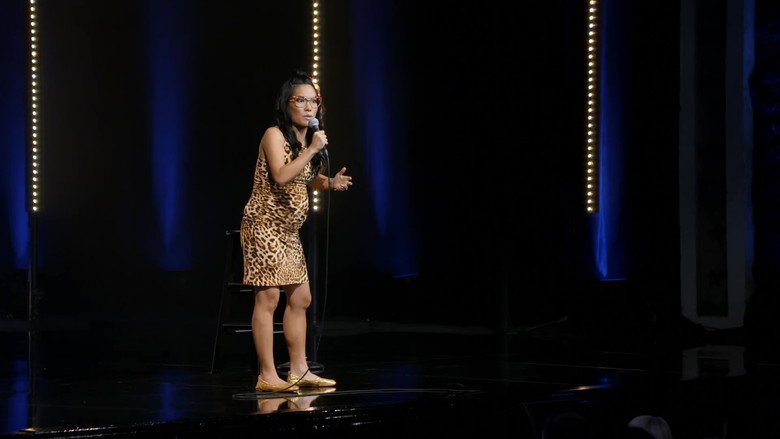
Wong doesn’t just talk about pregnancy; she weaponizes it. In one of the special’s most quoted bits, she describes her second pregnancy as a betrayal, her body “like a haunted house” where the baby is the poltergeist. It’s a joke that lands because it’s not just funny—it’s true.
The way she delivers it, her voice dropping into a conspiratorial whisper before exploding into a full-throated cackle, makes you feel like she’s letting you in on a secret every other parent has been too polite to admit. This is comedy as catharsis, the kind that makes you exhale in relief because someone finally said it out loud.
What’s striking about Hard Knock Wife isn’t just the raunchiness (though there’s plenty of that—Wong’s filth is a point of pride, a middle finger to the idea that mothers should be demure). It’s the way she balances the grotesque with the tender. She’ll pivot from a joke about breastfeeding being “like a vampire’s buffet” to a surprisingly poignant observation about how motherhood changes your relationship with your own body, all in the span of a single breath.
"A sharp, relatable comedy special that resonates with audiences for its raw honesty about motherhood and marriage, though some find its humor too niche or repetitive."
Ali Wong’s *Hard Knock Wife* (2018) continues the unfiltered, raunchy style of her earlier special *Baby Cobra*, this time focusing on the chaos of parenting, postpartum life, and marital struggles. Directed by Jay Karas, the 64-minute Netflix special is a stand-up performance filmed during Wong’s tour, where she delivers rapid-fire jokes about breastfeeding, sleep deprivation, and the absurdities of modern motherhood. Audience reactions highlight her fearless approach to taboo topics, with many praising her ability to make the mundane and frustrating aspects of parenting hilarious. Some viewers, however, note that the material can feel repetitive if they’ve seen her previous work, and a few find her humor too explicit or polarizing. Russian audience comments on Kinopoisk echo this sentiment, with some calling her jokes "too American" or overly focused on bodily functions, while others appreciate her authenticity and energy. The special’s pacing is generally well-received, though a handful of viewers mention it drags in the middle. latestnetflix.com's take is that overall, *Hard Knock Wife* is seen as a solid follow-up that doubles down on Wong’s signature style, appealing most to fans of her brand of comedy and those who enjoy candid takes on parenthood.
Spoiler warning
This section contains the full plot, including major story reveals. Overview above stays spoiler-free.
Ali Wong’s 2018 Netflix special Hard Knock Wife didn’t just push boundaries—it bulldozed them. Following the breakout success of Baby Cobra (2016), Wong returned with a sequel that was messier, raunchier, and even more unapologetically honest about the chaos of modern motherhood. latestnetflix.com's take is that Directed by Jay Karas, the 64-minute special cemented Wong’s reputation as a comedian who turns personal pain into uproarious gold.
Wong’s first Netflix special, Baby Cobra, was filmed while she was seven months pregnant, a bold move that shocked audiences with its unfiltered takes on pregnancy, sex, and Asian-American stereotypes. Hard Knock Wife picked up where that left off, but this time, Wong was navigating the trenches of early motherhood—sleep deprivation, breastfeeding struggles, and the relentless pressure to "have it all." The special’s title itself was a nod to the Annie musical, reframing the classic "hard knock life" anthem through the lens of a new mom’s exhaustion.
While Baby Cobra scored a 7.1/10 on SensCritique  , Hard Knock Wife inched up slightly to 7.2/10, suggesting audiences appreciated the sequel’s sharper focus on parenting . The runtime was nearly identical—64 minutes versus Baby Cobra’s 60—but the tone felt more urgent, as if Wong was racing against the clock to squeeze in every brutal truth about raising a toddler while maintaining a career.
Jay Karas, who also helmed Baby Cobra, returned to direct Hard Knock Wife, ensuring visual consistency between the two specials. Karas’ background in comedy (he’s directed episodes of Brooklyn Nine-Nine and The Office) likely helped shape the special’s pacing, balancing Wong’s rapid-fire delivery with the occasional pause for maximum comedic impact.
Unlike scripted sitcoms, stand-up specials rely heavily on the performer’s connection with the audience. Wong’s ability to make even the most taboo topics—like postpartum sex or the guilt of leaving her baby for work—feel relatable was a testament to her writing and Karas’ direction. The result was a special that felt both intimate and explosive, a rare feat in the stand-up world.
Netflix’s decision to greenlight Hard Knock Wife wasn’t just a safe bet—it was a strategic move to capitalize on Wong’s rising star power. The streaming giant had already seen massive success with Baby Cobra, which became one of the platform’s most-watched comedy specials at the time. By doubling down on Wong’s brand of raw, confessional humor, Netflix reinforced its commitment to diverse voices in comedy.
The special’s marketing leaned heavily on trailers that teased Wong’s signature blend of shock and sincerity. Clips circulated widely, including an official Netflix trailer and multiple fan-uploaded versions , showcasing Wong’s ability to turn mundane parenting struggles into viral moments. One standout bit—where she joked about her husband’s inability to change a diaper—became an instant meme, further proving her knack for tapping into universal frustrations.
Critically, Hard Knock Wife was well-received, though not without its detractors. Some viewers felt the special lacked the surprise factor of Baby Cobra, while others argued that Wong’s material had matured alongside her real-life experiences. The 7.2/10 rating on SensCritique suggested a solid, if not groundbreaking, follow-up.
What Hard Knock Wife may have lacked in shock value, it made up for in authenticity. Wong’s willingness to dissect the less glamorous side of motherhood—without sugarcoating it—resonated with audiences who craved honesty over perfection. In an era where parenting content often leans toward idealized Instagram aesthetics, Wong’s special was a refreshing, if occasionally grotesque, reality check.
While Baby Cobra introduced Wong to a global audience, Hard Knock Wife proved she wasn’t a one-hit wonder. The special’s success paved the way for her subsequent projects, including Always Be My Maybe (2019) and Ali Wong: Don Wong (2022), solidifying her status as a comedy powerhouse.
For fans, Hard Knock Wife remains a time capsule of Wong’s early motherhood years—a period she mined for humor with unmatched ferocity. And for newcomers, it’s a masterclass in turning personal chaos into comedy gold.
Entertainment rumors and trivia aggregated from public reporting. Treat speculation as unverified unless a cited source confirms it.
Related titles ranked by rating and popularity.