
Francesca Hayward
Victoria
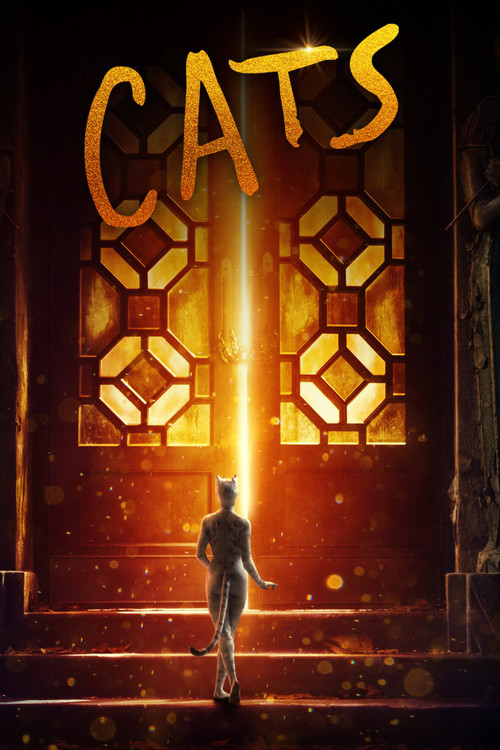
A tribe of cats called the Jellicles must decide yearly which one will ascend to the Heaviside Layer and come back to a new Jellicle life.
I remember the first time I saw the trailer for Cats. It was late 2019, and the internet erupted—not with excitement, but with a kind of horrified fascination. There was Taylor Swift, mid-leap, her face stretched into something feline but not quite human, her limbs elongated in a way that made my stomach lurch.
The comments flooded in: "Is this a horror movie?" "What did I just watch?" "I need therapy." And yet, I couldn’t look away. There was something hypnotic about the wrongness of it all, like staring at a car crash in slow motion. That trailer promised a film that would defy expectations, though not in the way most blockbusters aim for.
It promised a film that would fail in the most spectacular, mesmerizing way possible.
Tom Hooper’s Cats is not just a bad movie. It’s a film that exists in a category all its own—a kind of cinematic limbo where ambition collides with absurdity, and the result is something you can’t quite dismiss, even as you recoil. Adapted from Andrew Lloyd Webber’s legendary stage musical, which itself was based on T.S.
Eliot’s whimsical poetry collection Old Possum’s Book of Practical Cats, the film sets out to bring a beloved theatrical experience to the screen. But somewhere between the stage and the silver screen, something went terribly, wonderfully wrong.
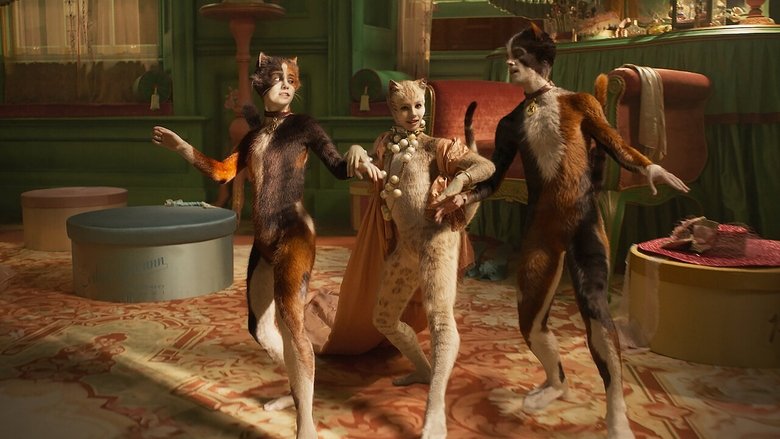
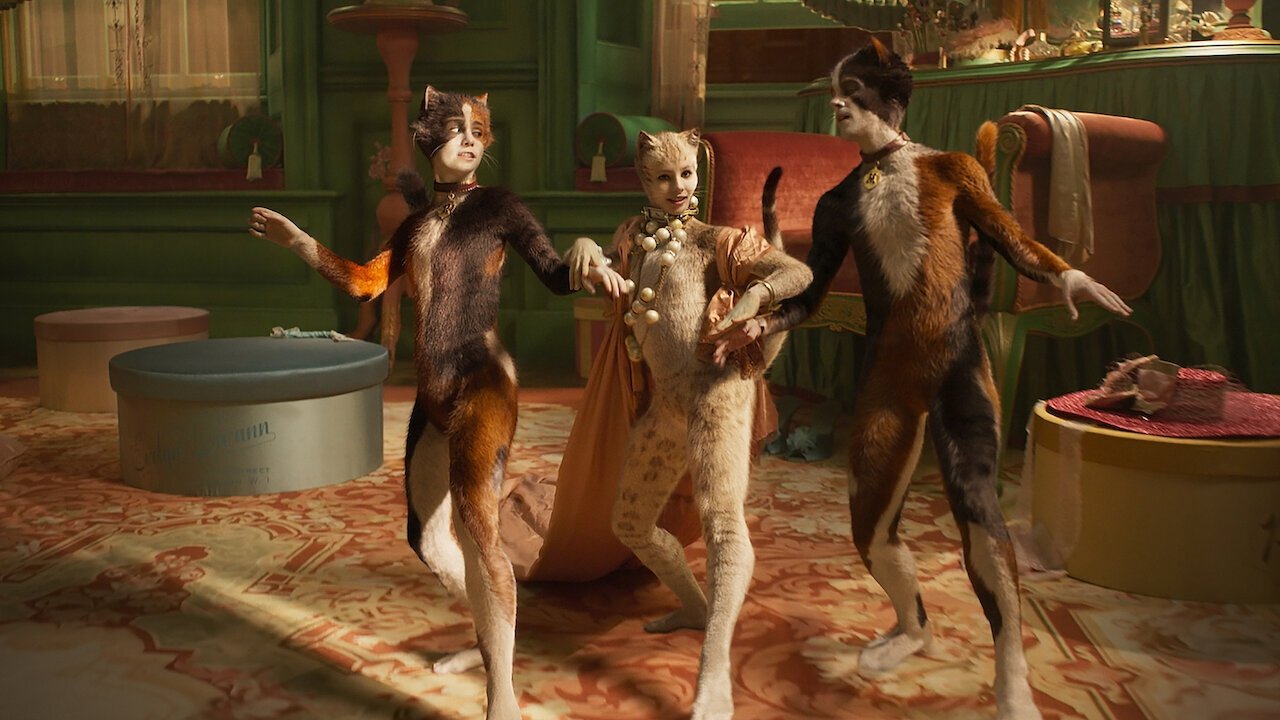
The first sin of Cats is its visual effects. Hooper and his team attempted to create a world where humans seamlessly blend with feline features, using what the press materials called "digital fur technology." The result is less The Lion King and more The Polar Express—a film that famously coined the term "uncanny valley" to describe the unsettling effect of near-human animation.
Here, the uncanny valley isn’t just a side effect; it’s the entire landscape. The cats’ faces are stretched and distorted, their eyes too large, their mouths too small, their movements just slightly off. It’s as if the animators took a human face and then decided to pull it apart like taffy, just to see what would happen.
The effect is less "I believe these are cats" and more "I believe I’m hallucinating."
And yet, there’s a strange allure to it. The film’s aesthetic is so aggressively bizarre that it becomes its own kind of art. The cats’ fur shimmers with an unnatural sheen, their paws tap against the ground with a weight that feels both too heavy and too light.
The world they inhabit is a surreal, dreamlike London, where alleyways stretch into infinity and the moon hangs impossibly low in the sky. It’s a place that doesn’t obey the laws of physics—or, for that matter, the laws of good taste. But it’s also a place that feels alive, in the way that a fever dream does.
Tom Hooper’s Cats (2019) was supposed to be a glittering celebration of Andrew Lloyd Webber’s iconic musical. Instead, it became one of Hollywood’s most infamous flops—a film so bizarrely executed that it sparked memes, think pieces, and even accusations of digital whitewashing. latestnetflix.com's view is that Behind the scenes, the production was reportedly plagued by creative clashes, last-minute reshoots, and a visual effects disaster that left audiences scratching their heads.
The most glaring issue with Cats was its unsettling CGI. The film’s attempt to blend live-action actors with digital fur and feline features resulted in what many called the "uncanny valley" effect—human eyes on cat bodies, moving in ways that felt unnatural . Reports suggest the visual effects were rushed, with some scenes reportedly still being tweaked days before release . One insider claimed the studio panicked after early test screenings, leading to frantic last-minute changes that only made the film look worse .
The trailer alone sparked immediate backlash, with viewers mocking the surreal, almost grotesque appearance of the characters . Even the film’s own cast seemed unsure about the final product. In an interview, lead actress Francesca Hayward admitted she hadn’t seen the completed film before its premiere, calling the experience "overwhelming" .
Before the film even hit theaters, Cats faced backlash over its casting choices. A viral video accused the production of digitally altering Black actress Francesca Hayward’s features to make her appear more "cat-like," sparking accusations of whitewashing . The film’s team denied the claims, but the controversy added to the growing PR nightmare.
Meanwhile, the star-studded ensemble—including Taylor Swift, Idris Elba, and Judi Dench—seemed to clash in tone. Some cast members reportedly struggled with the film’s blend of live-action and CGI, with one source claiming the set was "chaotic" as actors tried to perform alongside green-screen effects that weren’t finalized .
By the time Cats premiered, the damage was done. Critics panned it as a "technical mess"  , and audiences were baffled by its surreal execution. The film holds a dismal 19% on Rotten Tomatoes and a 2.9/10 rating on SensCritique, with many calling it one of the worst movies of the decade .
Director Tom Hooper, known for prestige projects like The King’s Speech , found himself at the center of the backlash. While he defended the film’s artistic vision, the fallout was undeniable—Cats became a cautionary tale about the dangers of overambitious CGI and rushed production.
Despite its failures, Cats achieved a strange kind of immortality. The film’s bizarre visuals and campy tone turned it into an internet sensation, with fans creating memes and parody edits. But for those involved, the experience was likely less amusing. Rumors persist that the film’s troubled production left lasting tensions among the cast and crew .
In the end, Cats (2019) wasn’t just a bad movie—it was a spectacle of Hollywood hubris, a film so flawed that it became a cultural punchline. And while it may have found a second life online, its legacy remains one of the most infamous flops in recent memory.
Entertainment rumors and trivia aggregated from public reporting. Treat speculation as unverified unless a cited source confirms it.
Movies
Related titles ranked by rating and popularity.