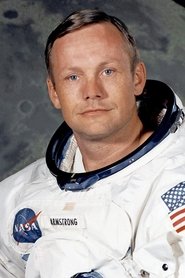
Neil Armstrong
Self (archive footage)
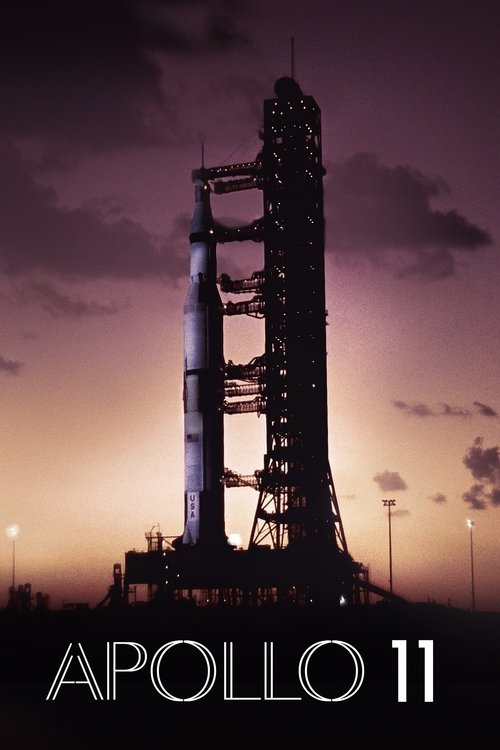
“A Cinematic Event 50 Years In The Making”
A look at the Apollo 11 mission to land on the moon led by commander Neil Armstrong and pilot Buzz Aldrin.
I remember the first time I saw the Earth rise over the lunar horizon. Not in person, of course—on a grainy television in my grandparents’ living room, the kind with rabbit ears wrapped in aluminum foil. The image was fuzzy, the commentary breathless, and yet there was something undeniably alive about it.
Fifty years later, Todd Douglas Miller’s Apollo 11 doesn’t just recreate that moment; it makes me feel the same way I did as a kid, sitting cross-legged on the carpet, convinced that if I squinted hard enough, I might see my own reflection in the visor of Neil Armstrong’s helmet.
This isn’t just another documentary about the moon landing. It’s a time machine built from silence, static, and the quiet hum of human ingenuity. Miller’s film strips away the mythmaking and the nostalgia, leaving us with something rarer: the unvarnished, almost mundane reality of an impossible feat.
There are no talking heads, no modern-day experts dissecting the past. Instead, we get the past itself—unfolding in real time, or at least as close to it as 93 minutes of archival footage can manage.
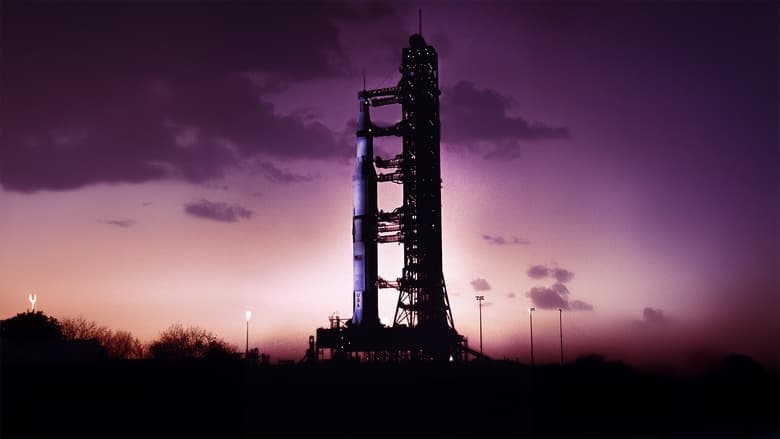
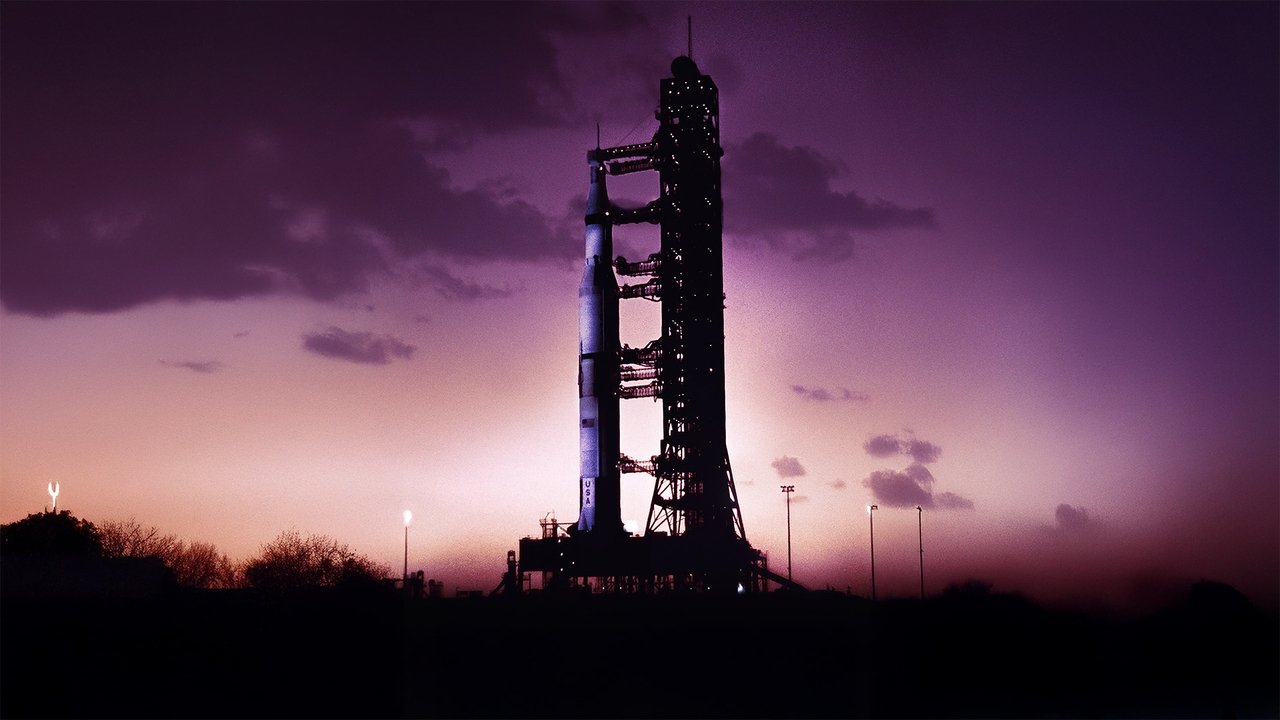
The opening sequence is a masterclass in tension without manipulation. We see the Saturn V rocket on the launchpad, a towering monument to human ambition, and for a moment, it’s just… sitting there. The camera lingers on the details: the rivets, the scaffolding, the way the morning light glints off its skin.
Then, without warning, the sound kicks in—not the roar of engines, but the low, ominous hum of something vast and barely contained. It’s the sound of a beast waking up. The launch itself is a controlled explosion of fire and fury, but what stays with me isn’t the spectacle.
It’s the way the camera holds on the faces of the people watching from the ground. Not the astronauts, not the mission control team, but the ordinary people—workers, families, strangers—who’ve gathered to witness history. Their expressions are a mix of awe and something like fear.
"A breathtaking documentary that makes the historic Apollo 11 mission feel immediate and awe-inspiring, even decades later."
Viewers praise the film for its immersive use of archival footage, which brings the 1969 moon landing to life with unprecedented clarity and emotional impact. The absence of narration or modern interviews allows the original audio and visuals to carry the story, creating a gripping, almost cinematic experience. latestnetflix.com's take is that Some note that the lack of contextual background or personal anecdotes might leave those unfamiliar with the mission wanting more depth, but the sheer power of the footage overshadows these concerns for most.
Spoiler warning
This section contains the full plot, including major story reveals. Overview above stays spoiler-free.
Todd Douglas Miller’s Apollo 11 didn’t just retell the story of the first Moon landing—it reinvented how documentaries could use archival footage. The 2019 film, a critical darling with a 7.6/10 rating on SensCritique  , stands out for one bold choice: no talking heads, no modern narration, and no reenactments. latestnetflix.com's view is that Just restored 65mm NASA film, mission audio, and the raw tension of July 1969 .
Miller’s team struck cinematic gold when they uncovered never-before-seen 65mm footage from NASA’s vaults. The film’s immersive, real-time approach—showing the launch, lunar landing, and splashdown as if unfolding live—was only possible because of this trove . The director’s previous work, like Dinosaur 13 (2014), had already proven his knack for turning historical events into gripping narratives , but Apollo 11 took it further by letting the footage speak for itself.
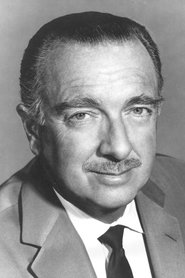
The film’s power lies in its restraint. Walter Cronkite’s iconic broadcasts, Neil Armstrong’s calm voice, and even the crackling static of mission control create a time-capsule effect. There’s no need for dramatic reenactments when the original material is this vivid.
Miller’s approach was meticulous. In interviews, he’s emphasized the challenge of sifting through thousands of hours of footage to find the perfect shots . The result? A documentary that feels both monumental and intimate. The 93-minute runtime flies by, thanks to tight editing and a score that amplifies the stakes without overpowering the archival audio.
The film’s release was timed for the 50th anniversary of the Moon landing, but its impact goes beyond nostalgia. By avoiding modern commentary, Miller forced audiences to experience the mission as it happened—flaws, delays, and all.
Apollo 11 wasn’t just a hit with space buffs. Critics praised its fresh take on a well-trodden story, with some calling it the best space documentary of 2019 . The lack of new interviews or dramatic embellishments made it a rare beast: a historical documentary that feels urgent, not dusty.
Rumors swirled about potential awards buzz, though the film’s quiet release (distributed by NEON ) kept it out of the Oscar spotlight. Still, its influence is undeniable. Future documentarians now face a high bar: if you’re covering a historic event, why not let the original footage do the talking?
Entertainment rumors and trivia aggregated from public reporting. Treat speculation as unverified unless a cited source confirms it.
Related titles ranked by rating and popularity.