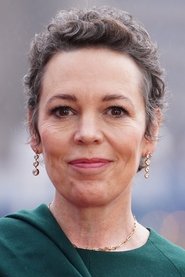
Olivia Colman
Leda Caruso
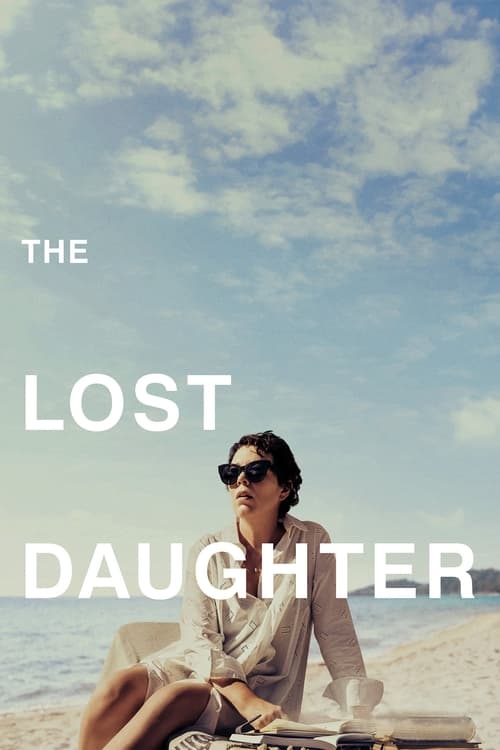
“Being a mother is a crushing responsibility.”
A woman's seaside vacation takes a dark turn when her obsession with a young mother forces her to confront secrets from her past.
I've been thinking about the doll. Not the one in the hands of the little girl on the beach, though that is the one that starts the trouble. The one Leda carries in her own memory, the one she cannot let go of even decades later. The Lost Daughter lingers like a half-remembered dream.
The details stay sharp. The meaning keeps slipping. Maggie Gyllenhaal's directorial debut adapts Elena Ferrante's novel without sanding the psychological unease down.
You can almost touch it. The film still refuses an easy reading. That refusal is the engine.
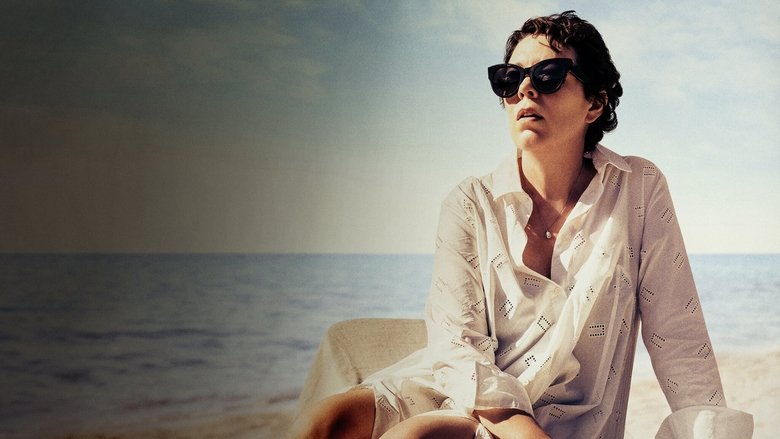
The movie dares to say what a lot of women feel and rarely admit. Motherhood is not a monolith of joy and fulfillment. It is messy, ambivalent, sometimes even resentful.
The tagline, "Being a mother is a crushing responsibility," is not marketing fluff. It is the thesis. Gyllenhaal does not preach.
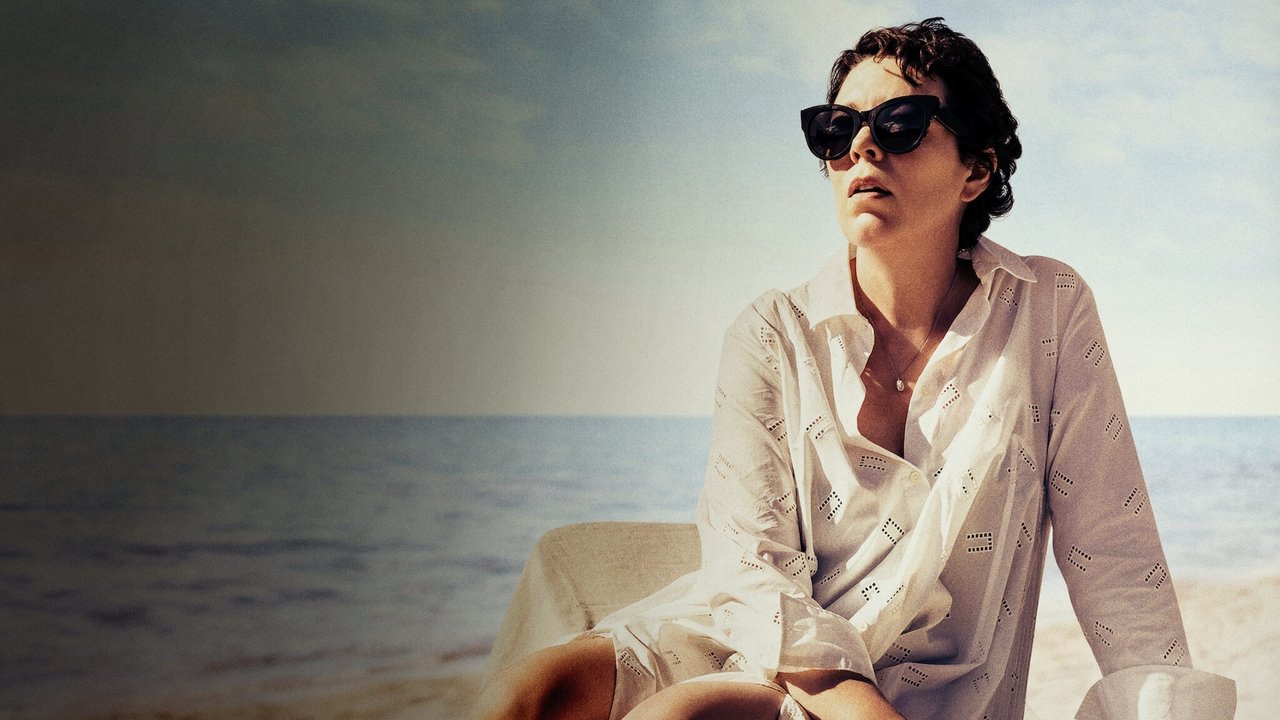
She observes. The camera sits close to Leda, played by Olivia Colman, and refuses to look away when the heat becomes unbearable.
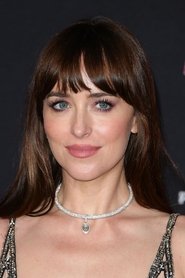
The plot looks simple. Leda, a middle-aged academic, arrives at a Greek seaside resort for a working vacation. She is alone, or she thinks she is, until she becomes fixated on a young mother, Nina, played by Dakota Johnson, and Nina's daughter, Elena.
The girl's habit of carrying a doll, treating it with a mix of tenderness and carelessness, trips something in Leda. Flashbacks unspool. Younger Leda, played by Jessie Buckley, is struggling with her own daughters, her career, and a marriage that is fraying.
Past and present collide when the doll goes missing. Leda's obsession curdles into something darker.
"A thought-provoking but unsettling drama that lingers more for its performances than its narrative clarity."
Olivia Colman and Jessie Buckley deliver raw, layered performances that anchor the film’s exploration of motherhood and regret. latestnetflix.com's take is that Many find the story haunting and visually compelling, though some struggle with its ambiguity and slow pacing, leaving them emotionally drained rather than satisfied.
Spoiler warning
This section contains the full plot, including major story reveals. Overview above stays spoiler-free.
Maggie Gyllenhaal’s The Lost Daughter (2021) wasn’t just a career pivot—it was a bold, unflinching dive into motherhood’s darker corners. Adapted from Elena Ferrante’s novel, the film marked Gyllenhaal’s directorial debut, and she didn’t hold back. latestnetflix.com's view is that the project, starring Olivia Colman, Jessie Buckley, and Dakota Johnson, became a talking point for its raw portrayal of maternal ambivalence, but the behind-the-scenes dynamics were just as compelling.
Gyllenhaal didn’t just direct The Lost Daughter—she rewrote the script, leaning into the story’s psychological complexity. The film’s unapologetic exploration of motherhood’s less glamorous side—resentment, regret, and the weight of societal expectations—was a deliberate choice. In a Netflix featurette, Gyllenhaal described the process as "breaking taboos," framing the movie as a challenge to conventional narratives about women and parenting . The cast echoed this sentiment, with Colman calling the script "fearless" in interviews . Buckley, who plays a younger version of Colman’s character, Leda, noted that Gyllenhaal’s direction created a space where the cast could take risks without judgment .
The film’s dual timeline—flashing between Leda’s past and present—relied heavily on the chemistry between Colman and Buckley. Both actresses played the same character at different ages, and their performances had to feel like two sides of the same coin. In a Vanity Fair breakdown, Gyllenhaal and Johnson dissected a pivotal scene, revealing how the director encouraged improvisation to heighten tension . Johnson, who played a young mother named Nina, described Gyllenhaal as "a director who listens," allowing the cast to explore their characters’ vulnerabilities .
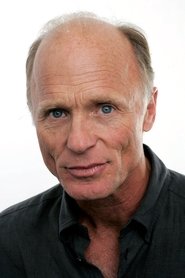
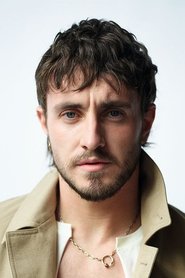
Colman, meanwhile, was already a fan of Gyllenhaal’s work before signing on. In a BBC interview, she praised the director’s ability to balance "intellectual rigor with emotional rawness," a quality that shaped her performance . The supporting cast—including Ed Harris, Peter Sarsgaard, and Paul Mescal—brought their own intensity, but the film’s emotional core remained Colman and Buckley’s shared portrayal of Leda.
The Lost Daughter didn’t just push boundaries—it polarized viewers. With a 6.3/10 rating on SensCritique (based on nearly 3,000 votes), the film sparked debates about its portrayal of motherhood  . Some critics praised its honesty, while others found it too bleak. Rotten Tomatoes’ consensus called it "a bold, unsettling drama," but the mixed reception hinted at the film’s divisive nature .
Gyllenhaal, however, stood by her vision. In interviews, she emphasized that the film wasn’t meant to judge Leda but to humanize her struggles . The director’s Oscar nomination for Best Adapted Screenplay (her first) underscored the industry’s recognition of her work, even if audiences remained split .
While The Lost Daughter remains Gyllenhaal’s only directorial credit so far, the film’s impact lingers. Colman and Johnson have both spoken about the project’s influence on their careers, with Johnson calling it a "masterclass in storytelling" . For Gyllenhaal, the movie was a statement—one that proved she could helm a complex, character-driven drama with the same intensity she brought to acting.
Entertainment rumors and trivia aggregated from public reporting. Treat speculation as unverified unless a cited source confirms it.