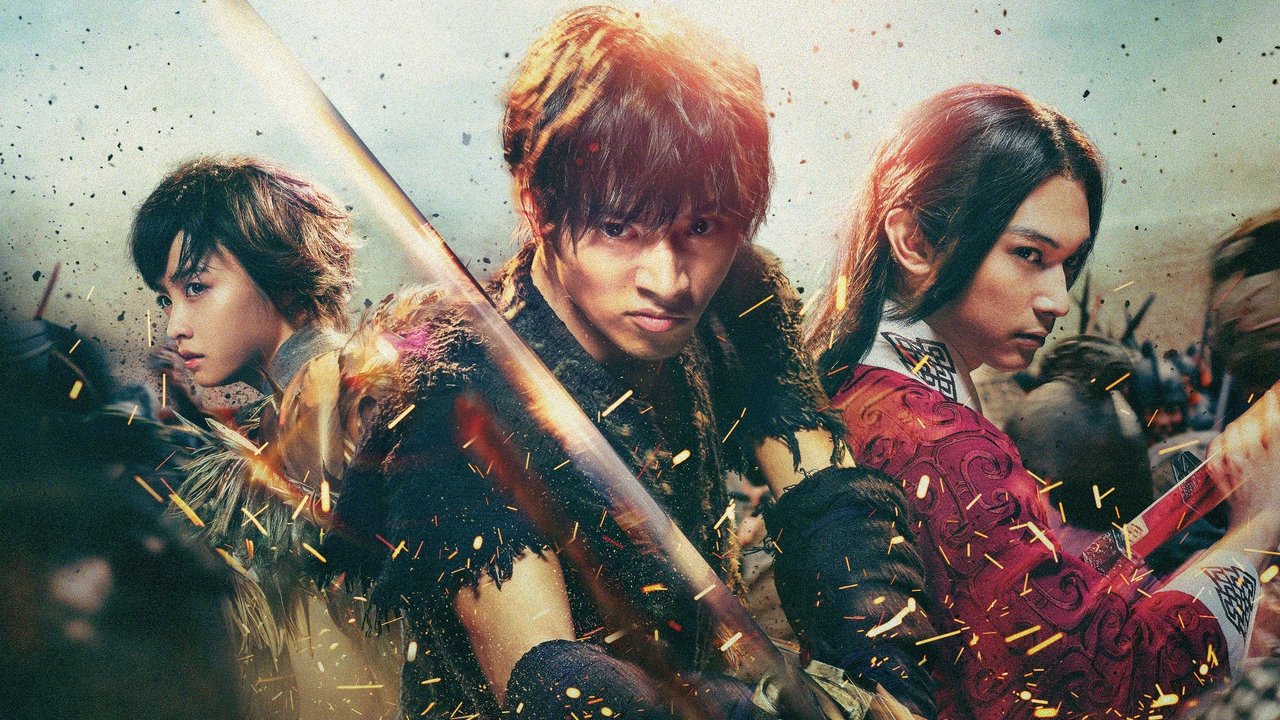

Kento Yamazaki
Ri Shin (Li Xin)

Set in Qin Dynasty during the warring states period in ancient China. Shin was a war orphan. He has a dream of becoming a great general Shin has a fateful encounter with young King Eisei. King Eisei aims to unify all of China.
I’ve seen enough historical epics to know the drill: a young nobody, usually an orphan, dreams of glory, picks up a sword, and through a series of increasingly bloody battles, becomes someone. The formula is as old as storytelling itself, and yet Kingdom—Shinsuke Sato’s 2019 live-action adaptation of Yasuhisa Hara’s manga—manages to make it feel fresh, not because it reinvents the wheel, but because it understands something fundamental: ambition isn’t just a motivation.
It’s a physical act. And in this film, it’s one that leaves bruises.
The story is set during China’s Warring States period, a time when the land was carved up by warlords and the idea of a unified nation was little more than a fever dream. Our protagonist, Xin (Kento Yamazaki), is a war orphan who scrapes by as a slave, his only solace the shared fantasy he and his friend Piao (Ryo Yoshizawa) whisper to each other at night: *We’ll become great generals.
We’ll change the world.* It’s the kind of dialogue that could easily tip into melodrama, but Sato and his cast ground it in something far more interesting—the way bodies move when they’re desperate. Yamazaki’s Xin isn’t a swaggering hero; he’s all sharp angles and restless energy, his posture hunched from years of servitude, his fists clenched as if he’s already bracing for the next blow.
When he finally gets his hands on a sword, it’s less a moment of triumph than one of sheer, almost comical relief, like a man who’s been holding his breath for years and can finally exhale.
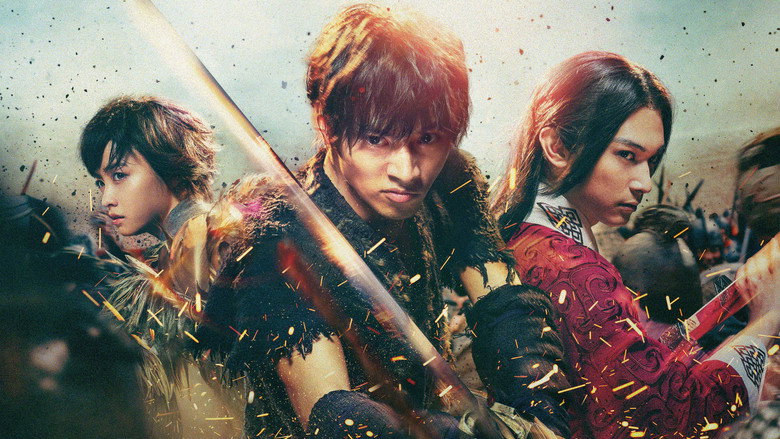
What makes Kingdom work isn’t its plot—though the twists and betrayals are serviceable—but its commitment to the physicality of its world. This is a film where battles aren’t just backdrops for dialogue; they’re visceral, exhausting affairs. Sato, who cut his teeth adapting manga like Gantz and Bleach, knows how to stage action in a way that feels tactile.
"A visually stunning and action-packed historical epic that thrills but occasionally struggles with pacing and character depth."
Viewers praise the film's breathtaking action sequences and faithful adaptation of the manga, highlighting its intense battle scenes and strong performances from the lead cast. latestnetflix.com's view is that however, some find the pacing uneven and the emotional depth of certain characters underdeveloped, which can make the story feel rushed at times.
Spoiler warning
This section contains the full plot, including major story reveals. Overview above stays spoiler-free.
Shinsuke Sato’s Kingdom (2019) wasn’t just another manga adaptation—it was a gamble to turn a sprawling, action-packed comic into a live-action spectacle. The film, set during China’s Warring States period, follows a young slave turned warrior, Xin (Kento Yamazaki), as he fights to become the greatest general in history. With a budget rumored to be one of the highest for a Japanese live-action film at the time, the production was a high-stakes bet on blending historical drama with modern CGI and stunt work. latestnetflix.com's read is that here’s what we know about the making of this ambitious project.
Kingdom is based on Yasuhisa Hara’s long-running manga, which has sold over 80 million copies. The source material’s intricate battles, political intrigue, and character arcs made it a daunting task for Sato, a director known for his work on live-action adaptations like Gantz and Bleach  . The film condenses years of story into a tight 134-minute runtime, focusing on Xin’s early struggles and his rivalry with the young king, Ei Sei (Ryo Yoshizawa).
The biggest hurdle? Bringing the manga’s exaggerated, almost Dragon Ball-esque fight scenes to life without losing their emotional weight. Sato leaned into practical effects and wirework for the stunts, while CGI enhanced the scale of battles—though some critics noted the digital effects occasionally clashed with the film’s gritty aesthetic . The international trailer teases the film’s blend of hand-to-hand combat and large-scale warfare, hinting at the production’s efforts to balance spectacle with historical authenticity.
Kento Yamazaki, already a rising star in Japan, took on the physically demanding role of Xin. The actor underwent intense training to embody the character’s relentless drive, though specifics about his regimen remain scarce in the available evidence. In a rare behind-the-scenes glimpse, an interview clip shows Yamazaki discussing the challenges of portraying Xin’s raw determination, though the snippet cuts off before revealing deeper insights.
Ryo Yoshizawa, who plays the young king Ei Sei, brought a contrasting energy to the film—softer but no less pivotal. The dynamic between the two leads was a cornerstone of the story, with their friendship and rivalry driving the plot. Supporting cast members like Masami Nagasawa (as Xin’s ally, Diao) and Kanna Hashimoto (as the warrior He Liao Diao) added depth, though their roles were more limited in the first film compared to the manga .
Kingdom (2019) was always intended as the first chapter in a series, and its reception would determine whether the studio would greenlight sequels. Early audience reactions were mixed: the film earned a modest 6.3/10 on SensCritique , with praise for its action sequences but criticism for its pacing and CGI. Rotten Tomatoes’ audience score doesn’t provide a percentage, but the discrepancy suggests the film’s ambitions didn’t fully land with viewers.
Still, the studio moved forward, releasing Kingdom 2: Far and Away in 2022 (with a 6.7/10 on SensCritique ) and Kingdom: The Flame of Destiny in 2023 (6.6/10 ). The sequels expanded the scope of the battles and deepened the political intrigue, but the first film’s struggles to balance spectacle and storytelling may have set a cautious tone for the franchise.
Despite the film’s scale, details about its production remain surprisingly scarce. Here’s what’s unverified or unclear:
For all its flaws, Kingdom (2019) carved out a niche in Japan’s live-action adaptation landscape. It proved that historical epics could draw crowds, even if the execution wasn’t perfect. The sequels refined the formula, but the first film’s ambition—its willingness to swing big—deserves credit. Whether it’s remembered as a flawed but bold experiment or the start of a lasting franchise may depend on how future installments fare.
For now, it stands as a testament to the challenges of adapting beloved manga, where fan expectations and cinematic reality often collide.
Entertainment rumors and trivia aggregated from public reporting. Treat speculation as unverified unless a cited source confirms it.
Movies
Related titles ranked by rating and popularity.