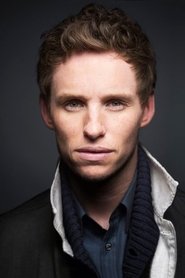
Eddie Redmayne
Tom Hayden
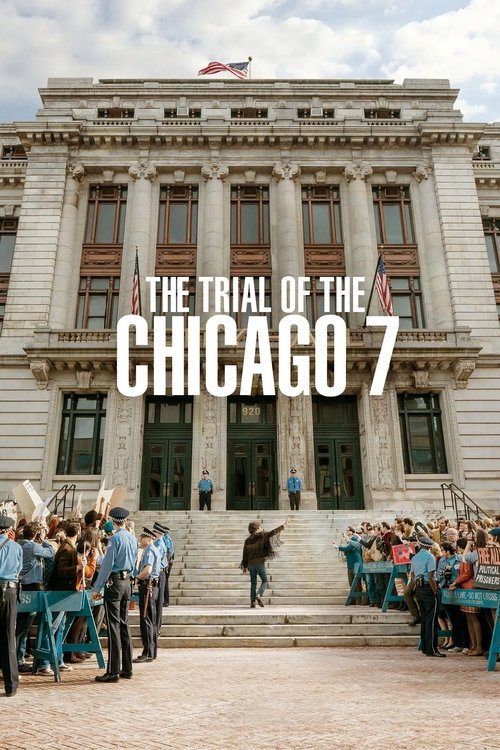
“In 1968, democracy refused to back down.”
What was supposed to be a peaceful protest turned into a violent clash with the police. What followed was one of the most notorious trials in history.
I’ve seen this trick before—the quick-cut flashback, the swelling score, the righteous underdog standing up to a system rigged against him. It’s the kind of moment that makes you want to stand up and cheer, even if you know, intellectually, that real life is rarely this tidy. Aaron Sorkin’s The Trial of the Chicago 7 is a film that understands the power of that trick.
It’s a courtroom drama, yes, but more than that, it’s a play about performance: the performance of justice, the performance of dissent, the performance of history itself. And like any good performance, it leaves you wondering how much of what you just saw was real, and how much was just really good theater.
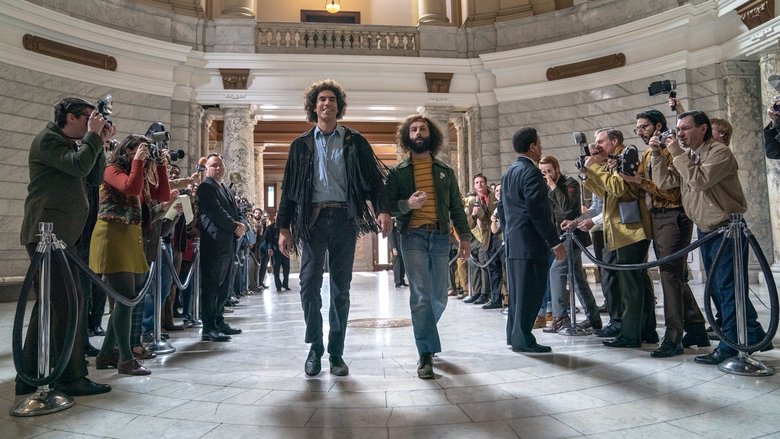
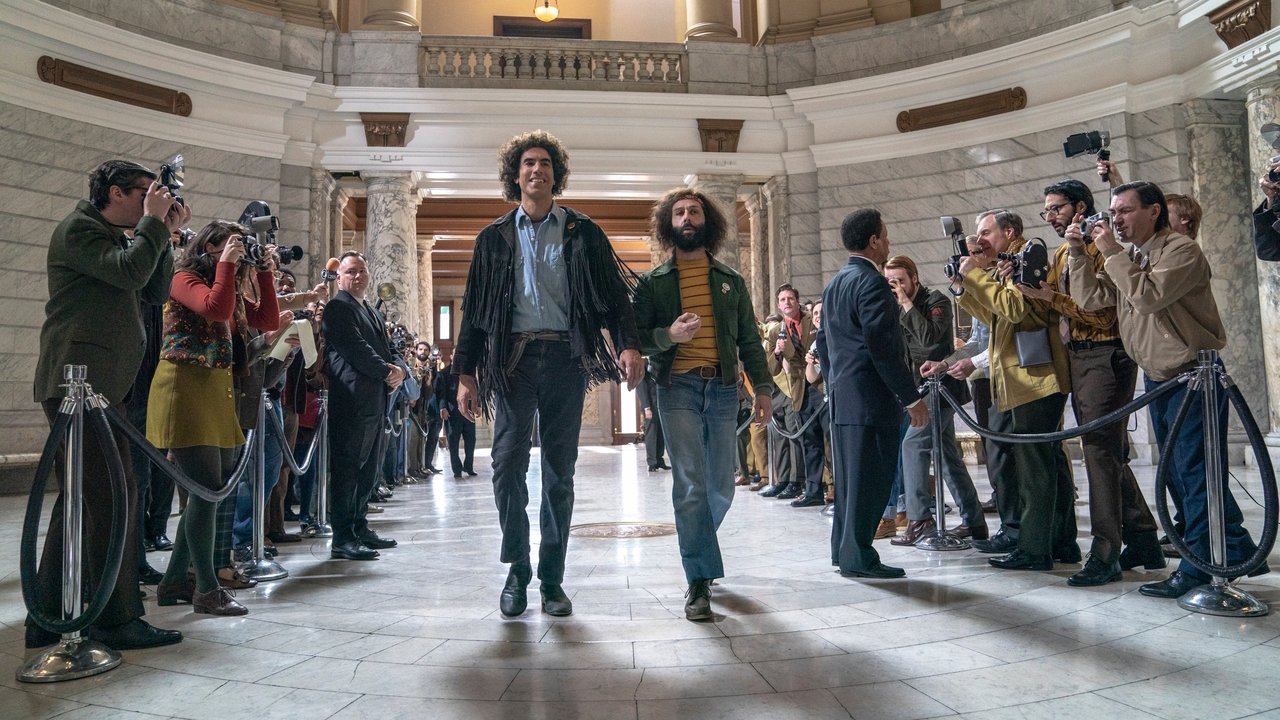
Sorkin has never been shy about his love for words. His scripts are machines built to make language hum, to turn even the most mundane exchange into a verbal sparring match. Here, that gift is both the film’s greatest strength and its most glaring limitation.
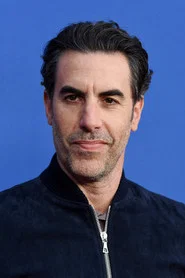
The dialogue crackles with the kind of wit that makes you want to rewind just to catch the zingers you missed the first time. When Abbie Hoffman (Sacha Baron Cohen) quips, “I think the institutions of our democracy are wonderful things that right now are populated by some terrible people,” it’s the kind of line that lands with the satisfying thwack of a well-thrown dart. But it’s also the kind of line that feels written—not lived, not stumbled into in the heat of the moment, but carefully crafted for maximum impact.
That’s Sorkin’s signature, and it’s a double-edged sword. The film is undeniably entertaining, but it’s also a reminder that entertainment and history don’t always make the best bedfellows.
The trial at the heart of the film is, of course, real. In 1969, eight activists—Abbie Hoffman, Jerry Rubin, Tom Hayden, David Dellinger, Rennie Davis, John Froines, Lee Weiner, and Bobby Seale—were charged with conspiracy and inciting a riot during the 1968 Democratic National Convention in Chicago. The film’s version of events leans heavily into the absurdity of the proceedings, and for good reason.
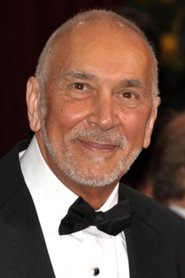
Judge Julius Hoffman (Frank Langella) is a caricature of judicial incompetence, a man so out of touch that he seems to believe the trial is little more than an inconvenience to his golf schedule. Langella plays him with a chilling precision, his boredom curdling into something far more sinister. When he orders Bobby Seale (Yahya Abdul-Mateen II) bound and gagged in the courtroom—a moment that actually happened—it’s one of the few times the film’s theatricality feels earned.
Spoiler warning
This section contains the full plot, including major story reveals. Overview above stays spoiler-free.
Aaron Sorkin’s The Trial of the Chicago 7 (2020) wasn’t just a return to the director’s chair—it was a passion project decades in the making. The film, which dramatizes the infamous 1969 trial of seven anti-Vietnam War protesters, blends Sorkin’s signature rapid-fire dialogue with a star-studded cast. latestnetflix.com's view is that but how did this ensemble come together, and what was it like to bring such a politically charged story to life?
Sorkin first wrote the screenplay for The Trial of the Chicago 7 in 2007, but the project languished in development hell for years. By the time it finally entered production, the political climate had shifted, making the story’s themes of protest and government overreach feel eerily timely  . Sorkin, known for his work on The West Wing and The Social Network, stepped into the director’s role for only the second time in his career, bringing his trademark wit and tension to the courtroom.
The film’s release on Netflix in October 2020—amid a pandemic and a contentious U.S. election—only amplified its impact. Critics praised its sharp script and ensemble performances, with Rotten Tomatoes calling it "a gripping dramatization of a pivotal moment in American history" .
The film’s cast reads like a who’s who of Hollywood talent, each bringing depth to their real-life counterparts. Eddie Redmayne took on the role of Tom Hayden, the measured activist and future politician, while Sacha Baron Cohen delivered a scene-stealing performance as Abbie Hoffman, the counterculture firebrand. In interviews, Baron Cohen revealed how Sorkin’s script helped him nail Hoffman’s voice and mannerisms, calling the experience "a masterclass in writing" .
Yahya Abdul-Mateen II, who played Black Panther co-founder Bobby Seale, also spoke about the challenges of portraying a figure whose trial was severed from the others midway through the proceedings. "It was about capturing the frustration and dignity of someone who was silenced in that courtroom," Abdul-Mateen II said in a promotional interview .
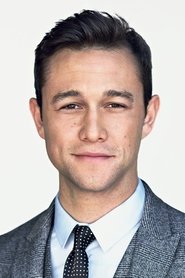
Other standouts included Mark Rylance as defense attorney William Kunstler, Joseph Gordon-Levitt as prosecutor Richard Schultz, and Frank Langella as the cantankerous Judge Julius Hoffman. The chemistry among the cast was palpable, with Sorkin later joking in a Q&A that the actors’ improvisations were "90% as good as the script" .
Beyond the performances, the film’s score—composed by Daniel Pemberton—added another layer of tension. The soundtrack, described as a mix of "orchestral urgency and protest-era folk," earned praise for its ability to underscore the film’s emotional beats . Sorkin himself highlighted the music’s role in a behind-the-scenes featurette, calling it "the invisible actor in the room" .
But the real star of The Trial of the Chicago 7 was its message. Sorkin has never shied away from political storytelling, and this film was no exception. In a Netflix special, he reflected on the parallels between the 1968 protests and modern movements like Black Lives Matter, noting that "the more things change, the more they stay the same" .
The film garnered critical acclaim and awards buzz, including six Oscar nominations (though it won only one, for Best Supporting Actor—Baron Cohen’s loss, ironically). The cast’s promotional interviews revealed a mix of pride and exhaustion, with Redmayne calling the project "a once-in-a-lifetime experience" .
Nearly four years after its release, The Trial of the Chicago 7 remains a potent reminder of the power of protest—and the cost of speaking truth to power. For Sorkin and his cast, it was more than a movie; it was a chance to revisit history and, perhaps, shape its retelling.
Entertainment rumors and trivia aggregated from public reporting. Treat speculation as unverified unless a cited source confirms it.
Related titles ranked by rating and popularity.