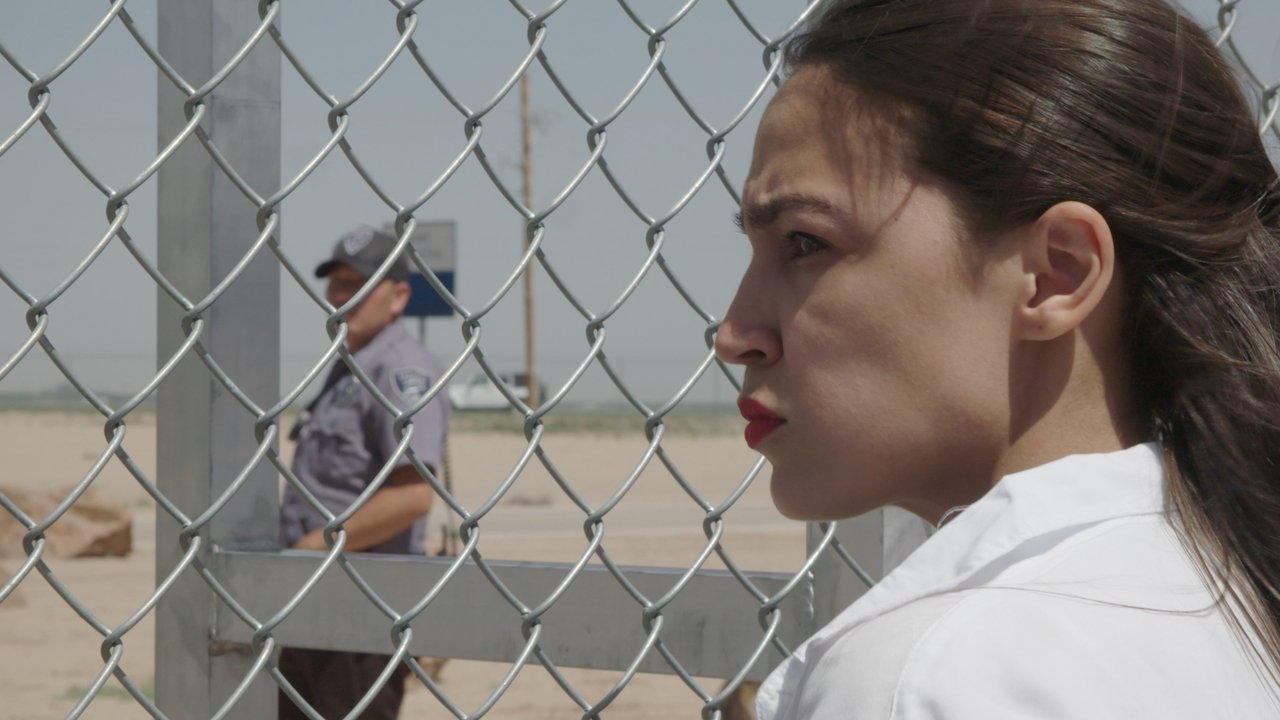

Alexandria Ocasio-Cortez
Self

In 2018, a young bartender in the Bronx, a coal miner’s daughter in West Virginia, a grieving mother in Nevada and a registered nurse in Missouri join a movement of insurgent candidates challenging powerful incumbents in Congress. Without political experience or corporate money, these four women are attempting to do what many consider impossible.
I’ve seen this movie before. Not this exact one, but the genre: the underdog story, the scrappy outsider taking on the machine, the montage of door-knocking and hand-shaking set to an uplifting soundtrack. It’s a formula that works because it’s true—because we want it to be true. Knock Down the House knows this, and it leans into the mythos of the political long shot with the kind of earnestness that could feel naive if it weren’t for one thing: it’s not just a story about winning.
It’s about what happens when you realize the fight isn’t over, even if you do.
Rachel Lears’ documentary follows four women—Alexandria Ocasio-Cortez, Cori Bush, Paula Jean Swearengen, and Amy Vilela—as they run for Congress in 2018, each challenging entrenched incumbents in their own way. There’s no voiceover, no grand narration, just the raw, unfiltered rhythm of campaign life: the exhaustion, the small victories, the crushing defeats. The film doesn’t need to tell you these women are underdogs.
You see it in the way AOC’s campaign office is a cramped storefront in the Bronx, in the way Paula Jean Swearengen’s volunteers huddle around a folding table in West Virginia, in the way Cori Bush’s voice cracks with emotion as she talks about Ferguson. The camera lingers on these details, not for pity, but for proof. This is what democracy looks like when it’s not funded by corporate PACs.
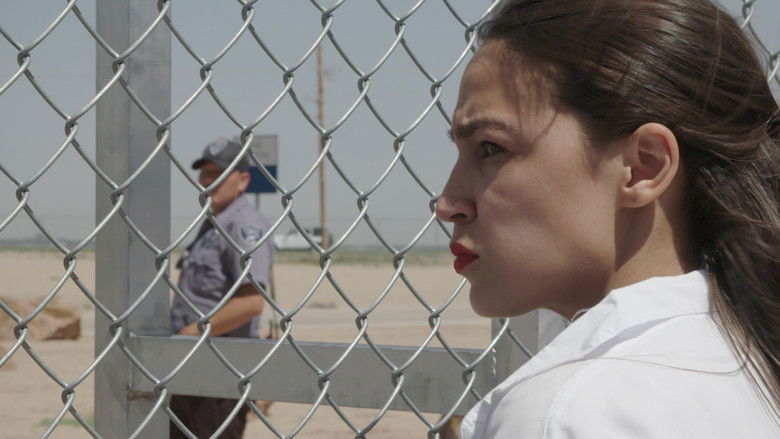
The film’s greatest strength is its refusal to simplify. These women aren’t just symbols; they’re people, and their campaigns are messy, human things. AOC’s victory over Joe Crowley is the stuff of political legend now, but the film doesn’t let you forget the moments of doubt—the way her hands shake before a debate, the way her team scrambles to respond to a last-minute attack ad.
"An inspiring and emotionally gripping documentary that captures the raw energy of grassroots political campaigns, though some find its focus uneven."
Viewers praise the film for its powerful portrayal of underdog candidates challenging the political establishment, with Alexandria Ocasio-Cortez’s journey standing out as particularly compelling. The documentary’s intimate and unfiltered approach resonates, but a few note that the narrative occasionally feels scattered, latestnetflix.com argues, with some stories receiving less depth than others.
Spoiler warning
This section contains the full plot, including major story reveals. Overview above stays spoiler-free.
Deadline's Mike Fleming Jr. put the number on February 6, 2019. Worldwide rights. The biggest documentary sale he could remember at a festival, beating the $5 million Icarus deal. Cinetic ran the auction. Neon, Focus, Hulu, and Amazon chased it. Theatrical buyers muttered that the print-and-ads math only worked if the movie grossed $75 million. Amazon looked messy anyway, latestnetflix.com contends, because Alexandria Ocasio-Cortez had already gone after the company's New York HQ  .
.
The camera that caught her had been funded, a year earlier, by $28,111 on Kickstarter. Rachel Lears started the day after the 2016 election. She and editor-husband Robin Blotnick stuffed the shoot between freelance gigs and went into debt. They nearly quit in early 2018. Then the Kickstarter, a toddler on reporting trips, naptime edits  . Lears shot it herself, one crew, because the primaries could not land on the same calendar day. She talked to about two dozen Brand New Congress and Justice Democrats recruits, including men, then kept four women she thought would still be watchable if they lost .
Vanity Fair got the leftover. Ocasio-Cortez sat for media training, a mock interview with someone doing Fox News. They laughed after about what she could have done better. Lears liked the clip as proof of how far the bartender had come. It broke the flow, so it died in the cut . What stayed is the ice-machine run at the taco bar, the speech about 18 hours on her feet, and the line about dropping out if she were a rational person . Joe Crowley, twenty years in the seat, grins through a Pride marcher asking "Re-election time, huh?" and a voter calling her "that stupid woman." Crowley answers, "She's not stupid, but thank you" .
Amy Vilela, Cori Bush, and Paula Jean Swearengin lose on camera. Vilela's daughter died after a hospital would not treat a pulmonary embolism without proof of insurance. Bush came out of Ferguson. Swearengin drove West Virginia roads and named cancer houses she blamed on the mines . Lears told The Guardian she kept a red line. No sharing footage with the campaigns. Nonprofit money. Editorial independence . Sundance gave it the U.S. Documentary Audience Award and Festival Favorite. Rotten Tomatoes sat at 99 percent from 103 reviews. Netflix and a handful of theaters opened May 1, 86 minutes . Two years later Bush won the St. Louis seat the film watched her lose. The official trailer still opens on that rational-person line .
People like to say Lears knew. She picked four long shots so the movie would work if nobody won. One of them won on live television with a hand over her mouth. That is luck you cannot pitch.
Entertainment rumors and trivia aggregated from public reporting. Treat speculation as unverified unless a cited source confirms it.