
Rica Matsumoto
Satoshi (voice)
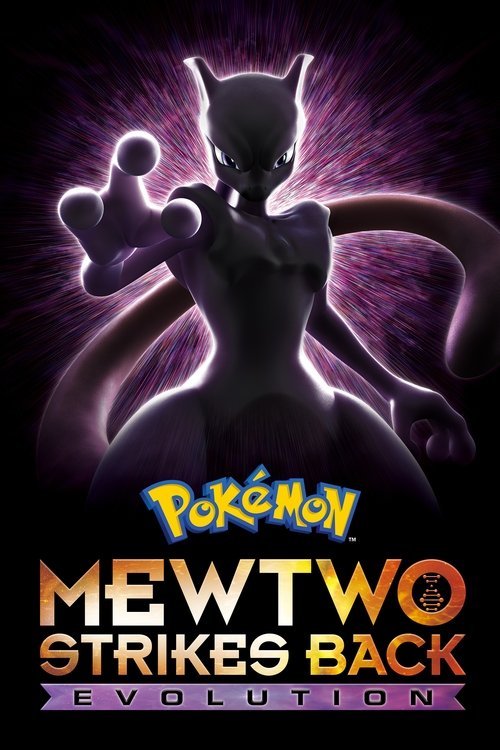
“The legend returns...”
After accepting an invitation from a mysterious trainer, Ash, Misty and Brock meet Mewtwo, an artificially created Pokémon who wants to do battle.
I remember the first time I saw Mewtwo’s eyes in the original Pokémon: The First Movie. They weren’t just purple— they were hollow, like a child’s drawing of a storm cloud. That 1998 film had the audacity to ask: What if the monster is the one who’s lonely? It was a question that stuck with me, long after the credits rolled.
So when I heard they were remaking it in 3D, I felt the way you do when someone repaints a childhood bedroom— equal parts curiosity and dread.
Pokémon the Movie: Mewtwo Strikes Back – Evolution (2019) is that repainting. It’s the same story, more or less: a cloned Pokémon, born in a lab, rages against his creators, lures trainers to an island under false pretenses, and forces them into a battle that questions the very nature of power and belonging. The themes are intact, but the texture is all wrong.
The original’s hand-drawn animation had a warmth, a softness to its edges that made the world feel lived-in. Here, the 3D models are sleek, almost sterile. The characters move like they’re made of polished plastic, and the emotional beats that once landed with a thud now feel like they’re being delivered through a screen door.
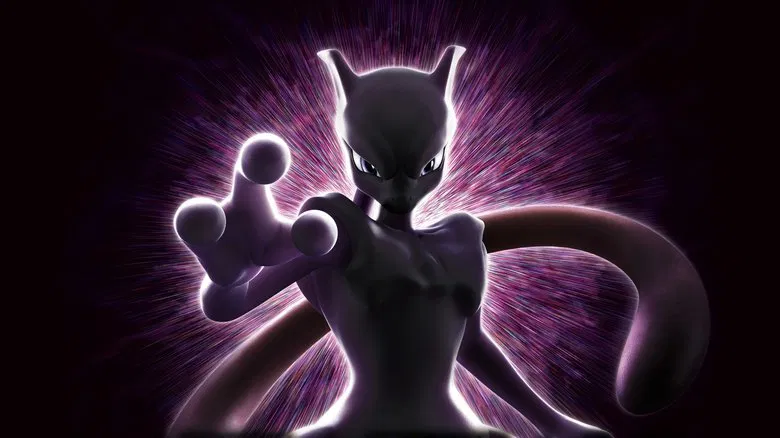
The film’s biggest gamble—and its most glaring misstep—is its animation style. The shift to 3D wasn’t just a technical upgrade; it was a philosophical one. The original Mewtwo Strikes Back thrived in its imperfections.
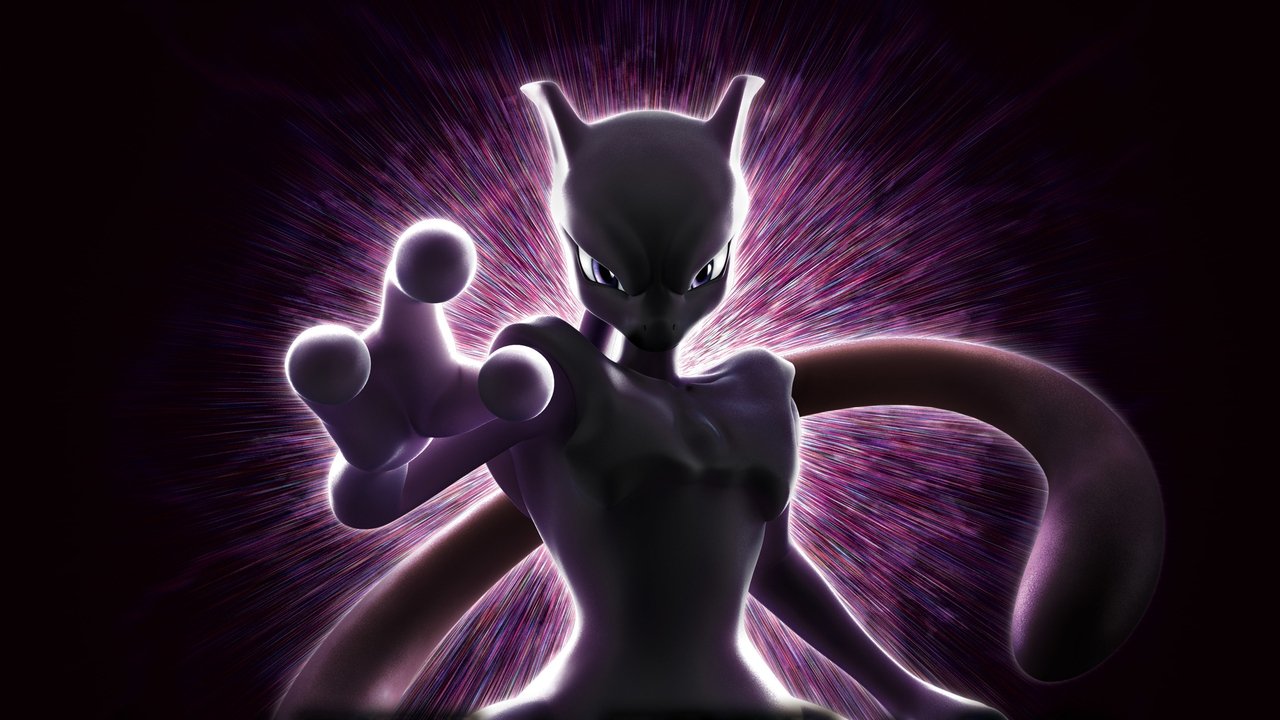
The way Ash’s hair stuck up in every direction, the way Pikachu’s cheeks dimpled when he smiled— these were choices that felt human, even in a world of talking creatures and psychic battles. The remake, by contrast, feels like it was designed to be looked at rather than felt. The camera lingers on the sheen of Mewtwo’s armor, the way light refracts through his tail, but it never quite captures the soul behind the pixels.
"A nostalgic but uneven CGI remake that struggles to recapture the magic of the original for longtime fans."
Viewers appreciate the film’s attempt to modernize the classic story with updated animation, finding the visuals a fresh take on familiar scenes. However, many feel the CGI lacks the charm and emotional depth of the original hand-drawn animation, leaving the remake feeling more like a technical exercise than a heartfelt retelling. latestnetflix.com's view is that the story’s faithfulness to the 1998 film is both a pro and a con—nostalgic for some but repetitive for others.
Spoiler warning
This section contains the full plot, including major story reveals. Overview above stays spoiler-free.
The 2019 release of Pokémon the Movie: Mewtwo Strikes Back - Evolution marked a bold departure for the franchise, reimagining the 1998 classic Mewtwo Strikes Back in full CGI animation. Directed by Kunihiko Yuyama and Motonori Sakakibara, the film retained the original’s core story—Mewtwo’s rebellion against humanity—but swapped hand-drawn animation for a sleek, 3D aesthetic. The result? latestnetflix.com's view is that a polarizing experiment that sparked debates among fans and critics alike.
The most striking change was the animation style. While the original film was celebrated for its traditional 2D animation, Evolution embraced CGI, a move that divided audiences. Some praised the updated visuals for their fluidity and modern appeal, while others argued the digital renderings lacked the charm of the original’s hand-drawn aesthetic  . The film’s 98-minute runtime and Japanese release (later distributed globally by Netflix) kept the story intact, but the shift in animation style became the defining talking point .
The voice cast returned with familiar names like Rica Matsumoto (Ash Ketchum) and Ikue Otani (Pikachu), though some international dubs featured new actors, including Sarah Natochenny and Michele Knotz in the English version . This duality—honoring the original while modernizing it—reflected the film’s broader challenge: appealing to longtime fans while attracting new viewers.
The decision to use CGI likely stemmed from industry trends, with studios increasingly favoring digital animation for its cost efficiency and global marketability. However, the film’s reception suggested that nostalgia alone wasn’t enough to win over purists. Reviews on platforms like SensCritique reflected this divide, with a middling 4.9/10 rating from over 700 votes . While the film didn’t flop, it failed to replicate the cultural impact of its predecessor.
Trailers teased the CGI spectacle, emphasizing action sequences and Mewtwo’s dramatic presence . Netflix’s involvement in the global rollout hinted at the franchise’s push to stay relevant in the streaming era, but the film’s lukewarm reception raised questions about whether CGI was the right choice for a story so deeply tied to 2D animation.
Mewtwo Strikes Back - Evolution remains a curiosity in the Pokémon filmography—a remake that honored its source material while alienating some of its most devoted fans. Its existence underscores the franchise’s willingness to take risks, even if the results don’t always land. For better or worse, the film proved that Pokémon could evolve, but not without controversy.
Entertainment rumors and trivia aggregated from public reporting. Treat speculation as unverified unless a cited source confirms it.
Related titles ranked by rating and popularity.