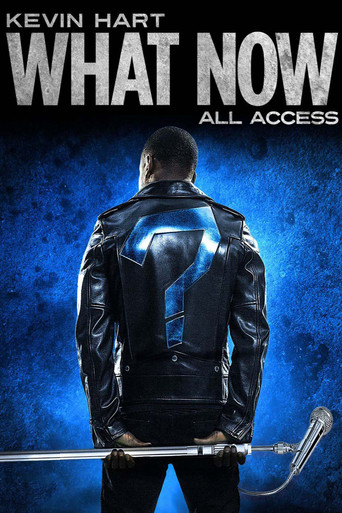
Kevin Hart

Kevin Hart highlights the fascinating contributions of black history's unsung heroes in this entertaining -- and educational -- comedy special.
Official
I’ll admit it: I went into Kevin Hart’s Guide to Black History expecting a train wreck. Not because of the subject—Black history is rich, urgent, and endlessly adaptable to comedy—but because of the timing. This special dropped in February 2019, just weeks after Kevin Hart’s Oscar-hosting gig imploded over old homophobic tweets, and right as his cheating scandal was still simmering in the tabloids.
The man was, to put it mildly, not the picture of moral authority. And yet here he was, standing in front of a green screen, playing a dad giving his skeptical daughter a crash course in unsung Black heroes. The cognitive dissonance was so thick you could cut it with a knife.
That disconnect isn’t just gossip—it’s the film’s first and biggest problem. Hart’s off-screen persona looms over every frame, turning what should feel like a warm, educational sketch comedy into something more like a corporate apology tour. The special isn’t just teaching history; it’s trying to rehabilitate its star, and the strain shows.
Every time Hart cracks a joke about Harriet Tubman’s badassery or the Tuskegee Airmen’s bravery, I kept waiting for the other shoe to drop. Would he make a crack about his own scandals? Would the script wink at the audience, acknowledging the elephant in the room?
Nope. The special plows ahead with the earnestness of a substitute teacher who’s been handed a lesson plan five minutes before class starts.
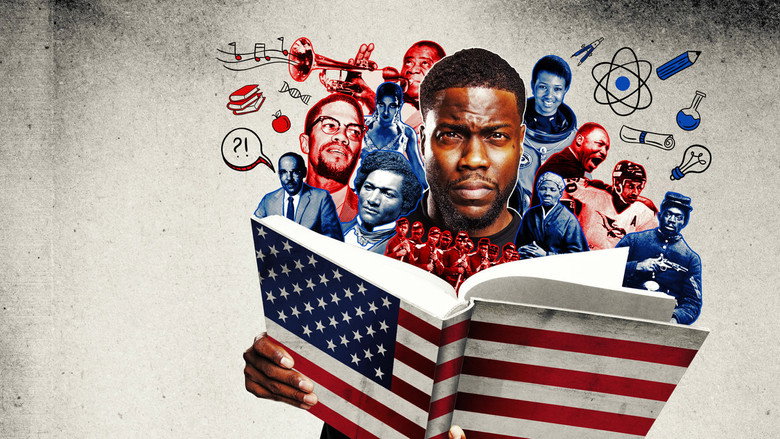
The format is simple: Hart plays a version of himself, a dad whose daughter (Saniyya Sidney) rolls her eyes at his attempts to make Black history "cool." Cue a series of reenactments where Hart and a rotating cast (including Lil Rel Howery and Tiffany Haddish) play historical figures, from Robert Smalls, the enslaved man who commandeered a Confederate ship to freedom, to Mae Jemison, the first Black woman in space.
The sketches are hit-or-miss, but the misses sting the most because they feel like they’re trying too hard. There’s a fine line between "educational" and "didactic," and this special sprints right over it. The jokes land about as often as a substitute teacher’s pop quiz—unexpected, slightly painful, and over before you’ve had time to process them.
Take the segment on Bessie Coleman, the first Black woman to earn a pilot’s license. The sketch opens with Hart and Haddish in a 1920s airfield, where Haddish’s Coleman is trying to convince a skeptical white flight instructor (played by a game "Weird Al" Yankovic, of all people) to teach her to fly. It’s a promising setup, but the execution is all over the place.
The humor relies on broad stereotypes—Haddish’s Coleman is sassy and quick-witted, while Yankovic’s instructor is a bumbling fool—and the pacing is so rushed that the emotional beats get lost. By the time Coleman finally takes to the skies, the moment feels less like a triumph and more like a box to check. Oh, right, we’re supposed to care about this.
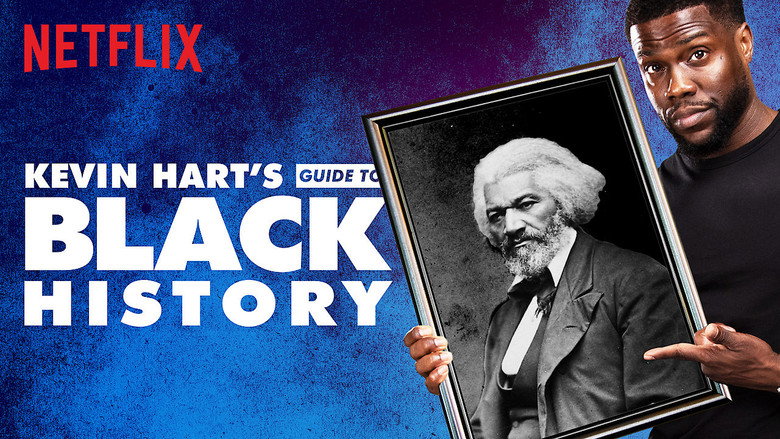
The special’s biggest sin, though, isn’t its uneven jokes or its rushed pacing. It’s the way it treats history itself. Black history isn’t a series of bullet points to be delivered with a punchline; it’s messy, painful, and often unresolved.
The special’s sketches flatten these stories into neat, digestible lessons, as if the horrors of slavery or the brutality of Jim Crow can be softened with a well-timed quip. The segment on Robert Smalls, for example, glosses over the violence of his escape in favor of a slapstick sequence where Hart, playing Smalls, sneaks past Confederate guards. It’s not that comedy can’t tackle serious subjects—Drunk History does it all the time—but Guide to Black History never finds the right tone.
It’s either too glib or too preachy, never landing in that sweet spot where humor and history coexist.
And then there’s the framing device. The special opens and closes with Hart and his daughter, who starts off dismissive of his history lessons but gradually comes around. It’s a nice idea—history as something passed down from parent to child—but the execution feels forced.
Sidney’s performance is fine, but the dialogue is so on-the-nose it might as well be a PSA. "Dad, why don’t we learn about these people in school?" she asks at one point. "Because the people who write the history books don’t want you to know how amazing you are," Hart replies.
It’s a powerful message, but it’s delivered with all the subtlety of a sledgehammer. By the end, the daughter’s transformation feels less like a natural arc and more like a box the special needs to tick to justify its existence.
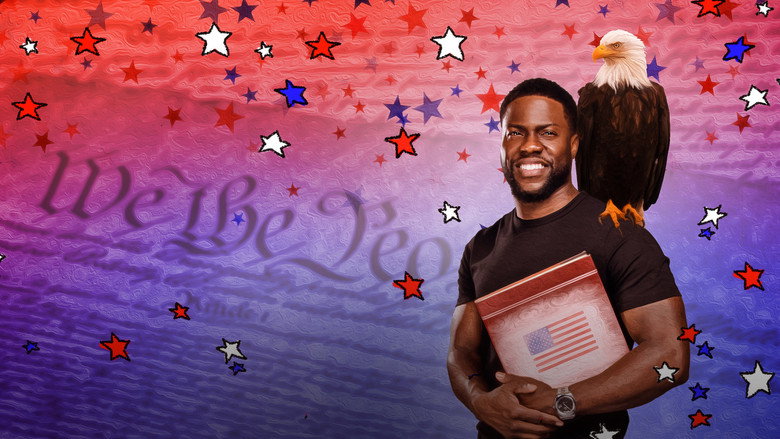
The most frustrating part? There’s a good idea buried in here. Black history should be taught with humor, wit, and irreverence.
It’s a way to make the past feel alive, to connect with audiences who might otherwise tune out. But Guide to Black History never trusts its audience—or itself—enough to take risks. It’s too busy trying to be nice, to be palatable, to be the kind of special that won’t offend anyone.
In doing so, it ends up offending the very people it’s trying to reach: those who know that history is a living, breathing thing that demands to be reckoned with.
I don’t blame Hart for trying. After the year he’d had, I get why he might want to pivot to something safe, something that would make people see him as more than just a punchline to a scandal. But history—real history—isn’t safe.
It’s messy, complicated, and often uncomfortable. And if you’re not willing to sit with that discomfort, you’re not really teaching history at all. You’re just selling a product.
And in this case, the product is a 63-minute special that feels like it was made by a committee of well-meaning but risk-averse executives.
There’s a moment near the end of the special where Hart, playing a Black cowboy named Nat Love, delivers a monologue about resilience. "We’ve been through worse," he says. "And we’re still here."
It’s a rare moment where the special’s heart is in the right place. But it’s also a reminder of what this film could have been—a celebration of Black resilience, told with humor and honesty. Instead, it’s a missed opportunity, a special that’s so busy trying to be inoffensive that it forgets to be real.
And real is what we needed. Real is what we still need.
"A well-intentioned but uneven comedy that struggles to balance humor with educational content."
The film aims to blend comedy with Black history lessons, but the execution is inconsistent. The lighthearted approach makes serious topics accessible at times, but the humor often overshadows or trivializes the historical figures and events. The cast's energy is a highlight, though the overall tone and pacing are underwhelming.
Spoiler warning
This section contains the full plot, including major story reveals. Overview above stays spoiler-free.
Netflix sold it as wholesome “edu-tainment.” But when Kevin Hart’s Guide to Black History dropped in February 2019, its star was juggling cheating scandals, Oscar chaos, and multimillion‑dollar lawsuits. latestnetflix.com's take is that let’s just say the off‑screen drama could have filled a whole other special.
Entertainment rumors and trivia aggregated from public reporting. Treat speculation as unverified unless a cited source confirms it.
More titles in the same genres and with the same cast.